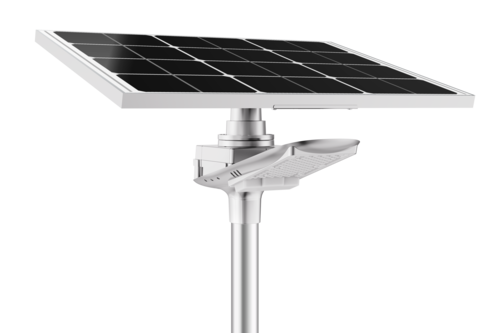
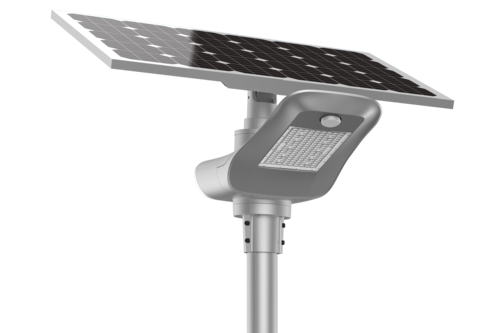
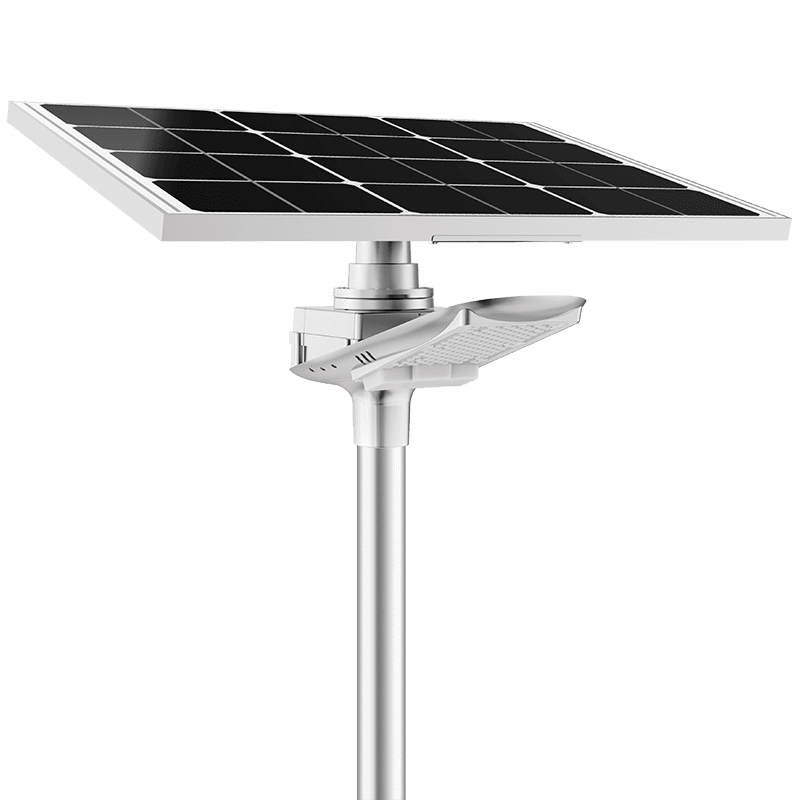
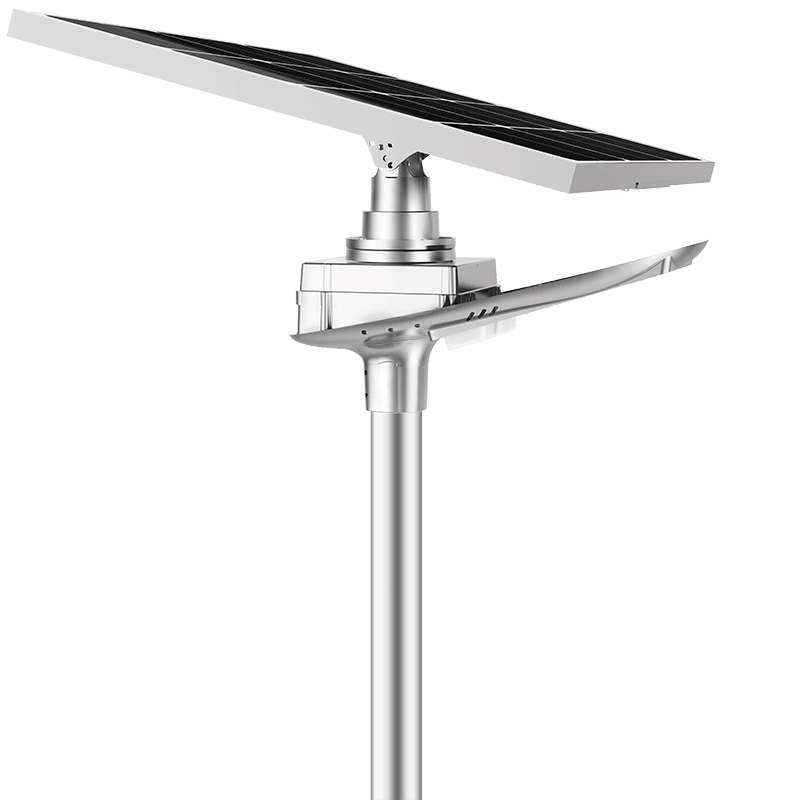
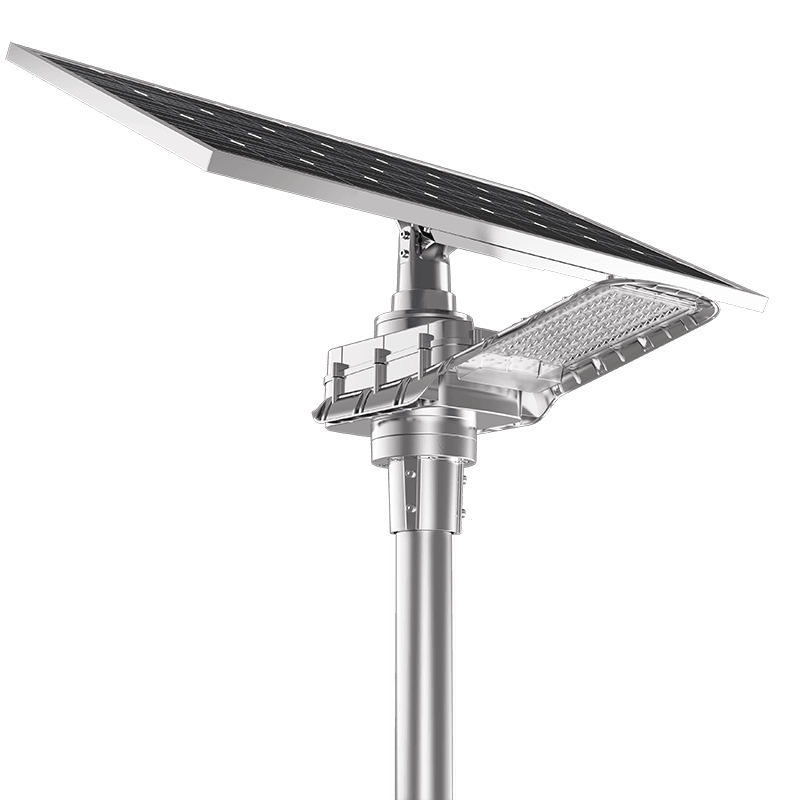
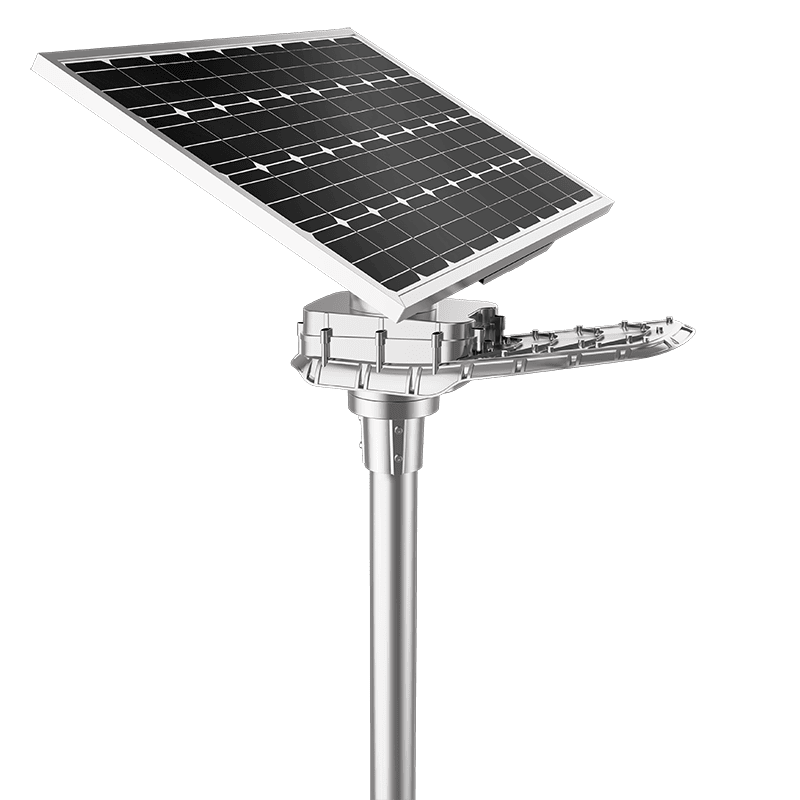
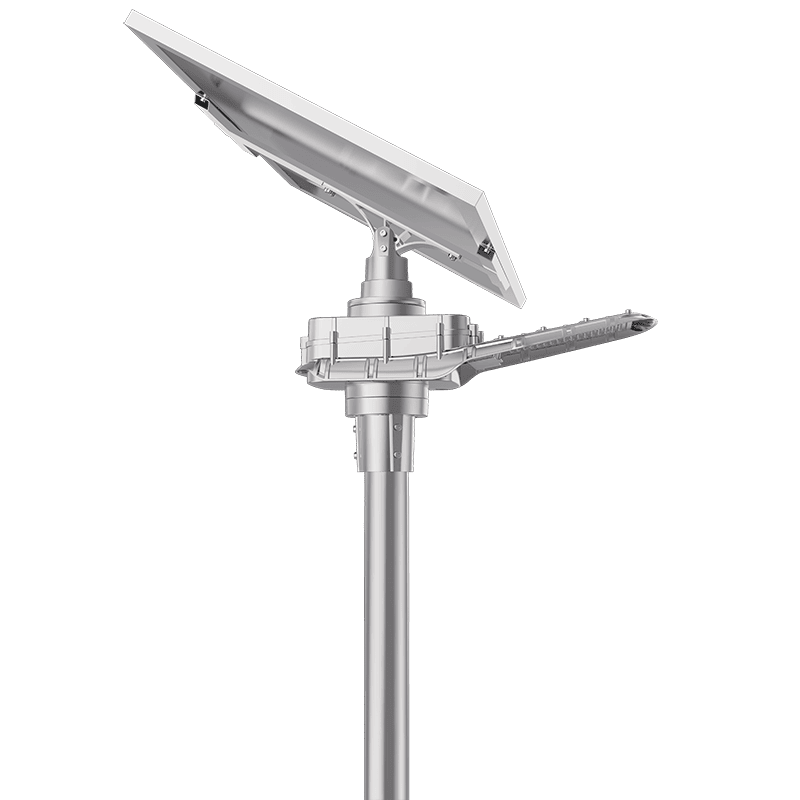
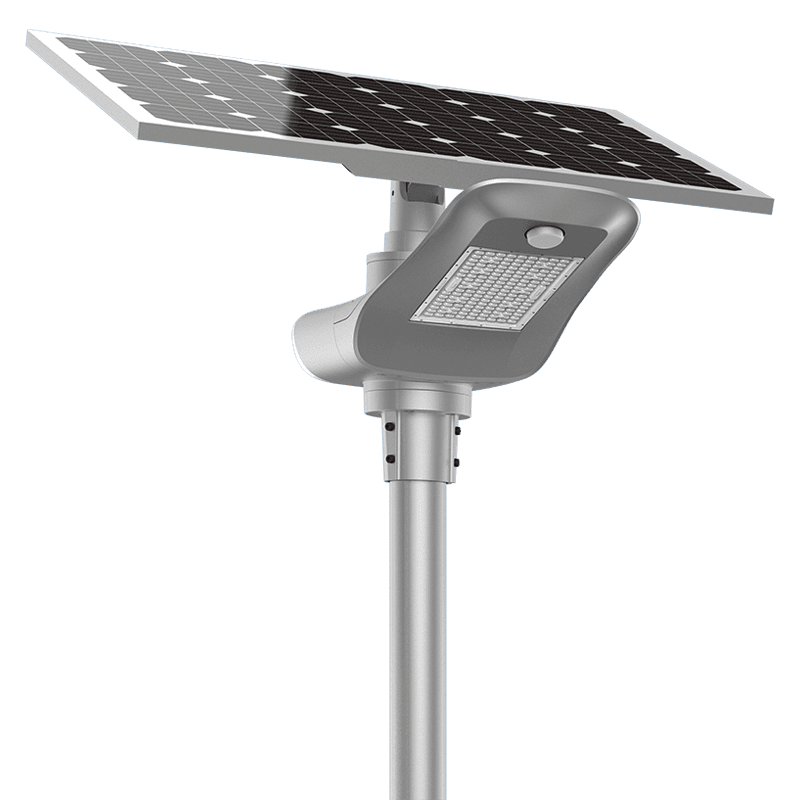
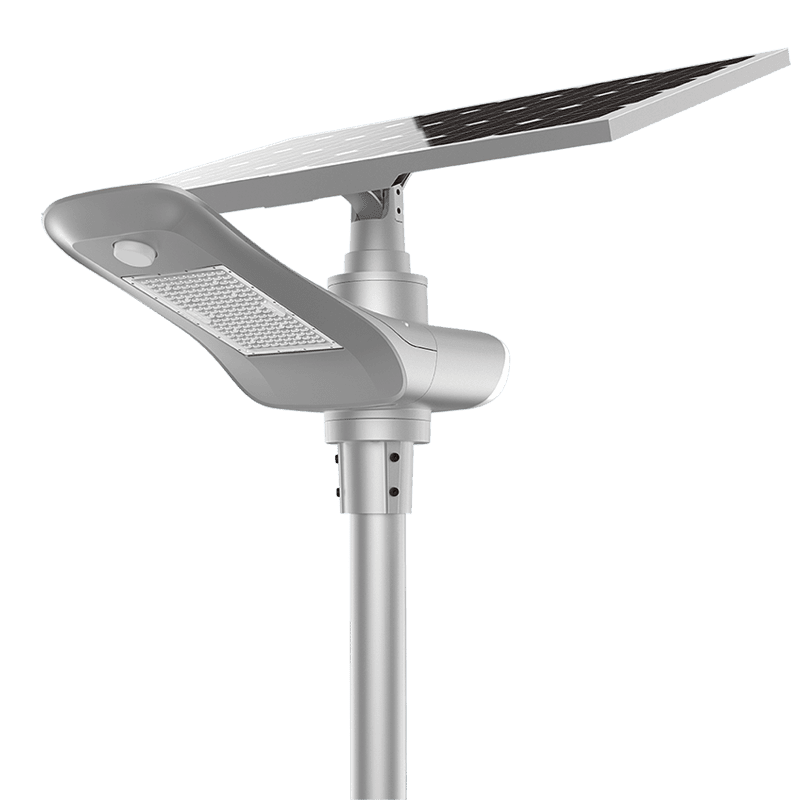
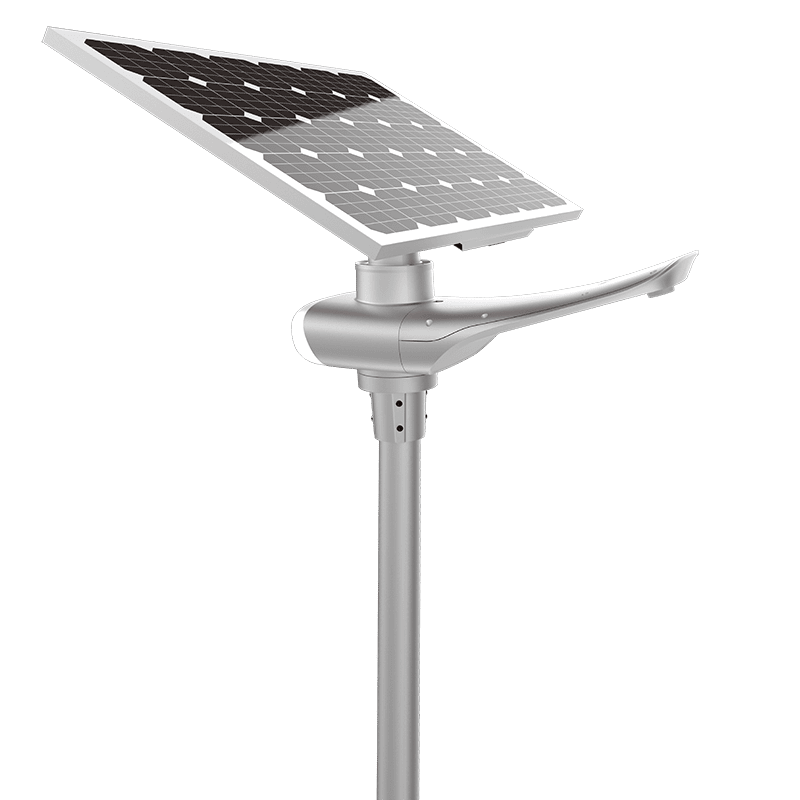
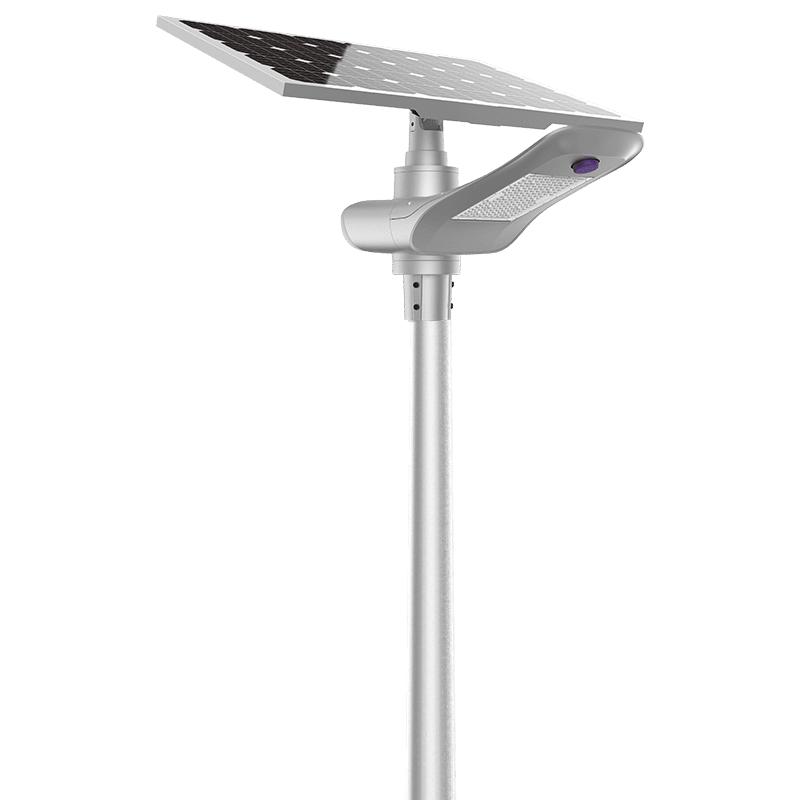
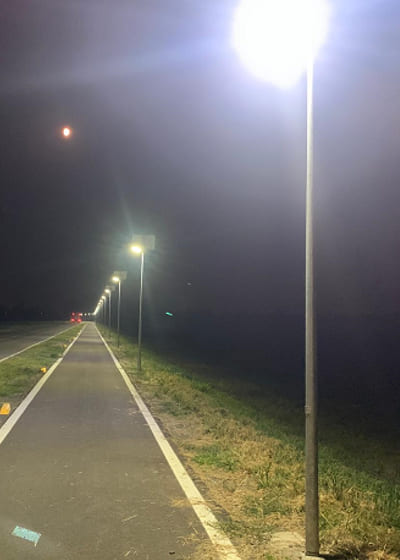
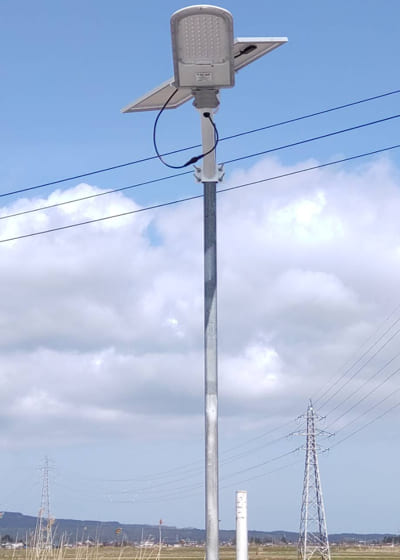
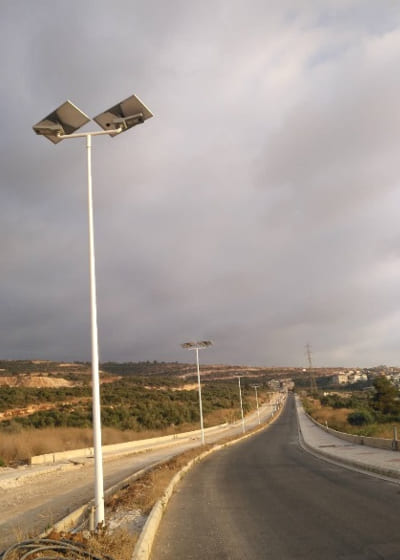
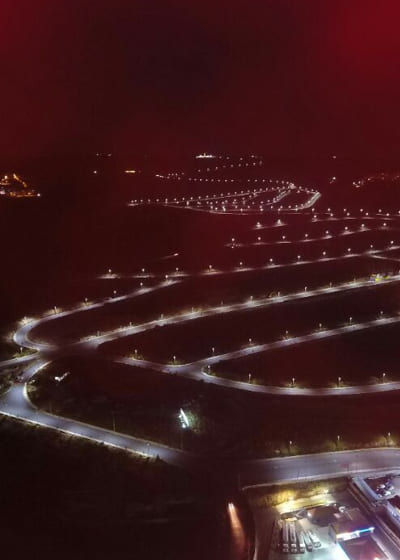
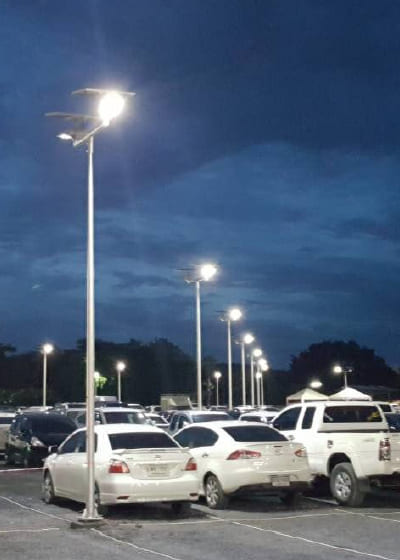
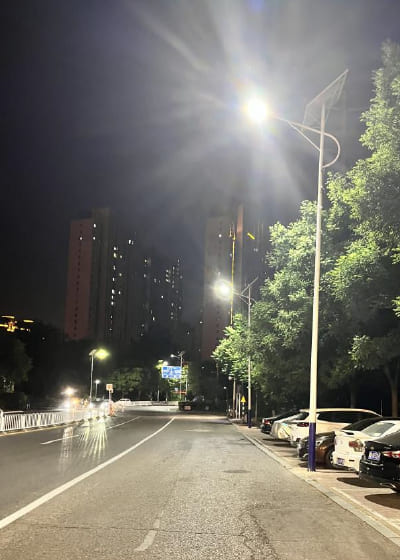
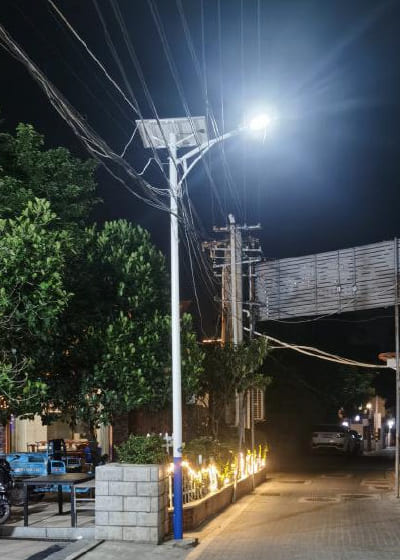
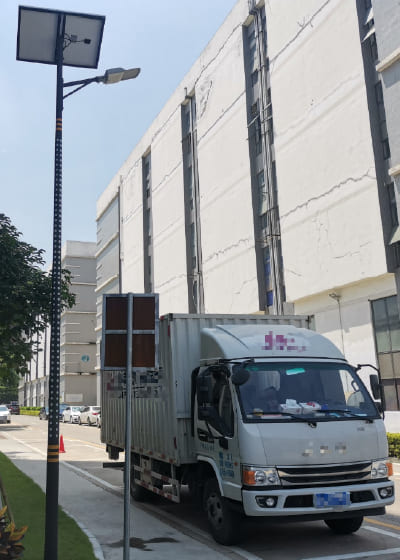
All-in-Two LED Solar Street Lights

Your Trusted Source for All-in-Two LED Solar Street Lights

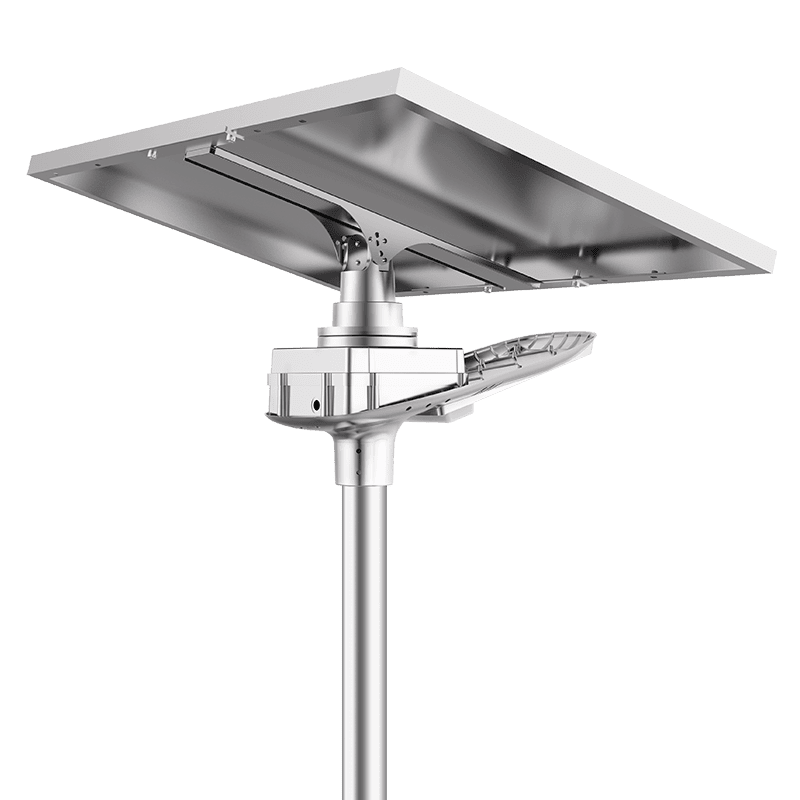
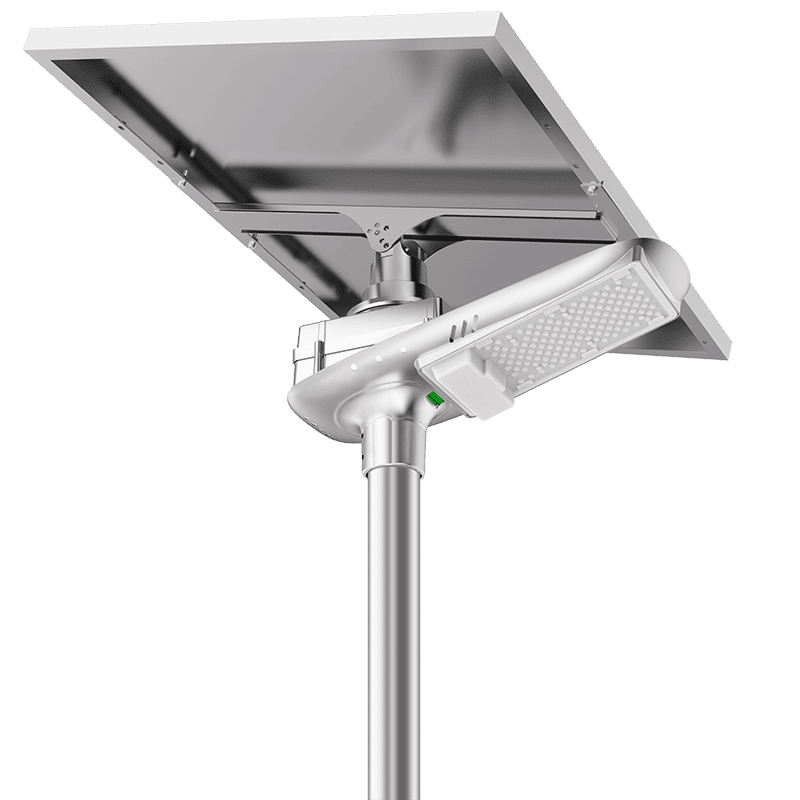
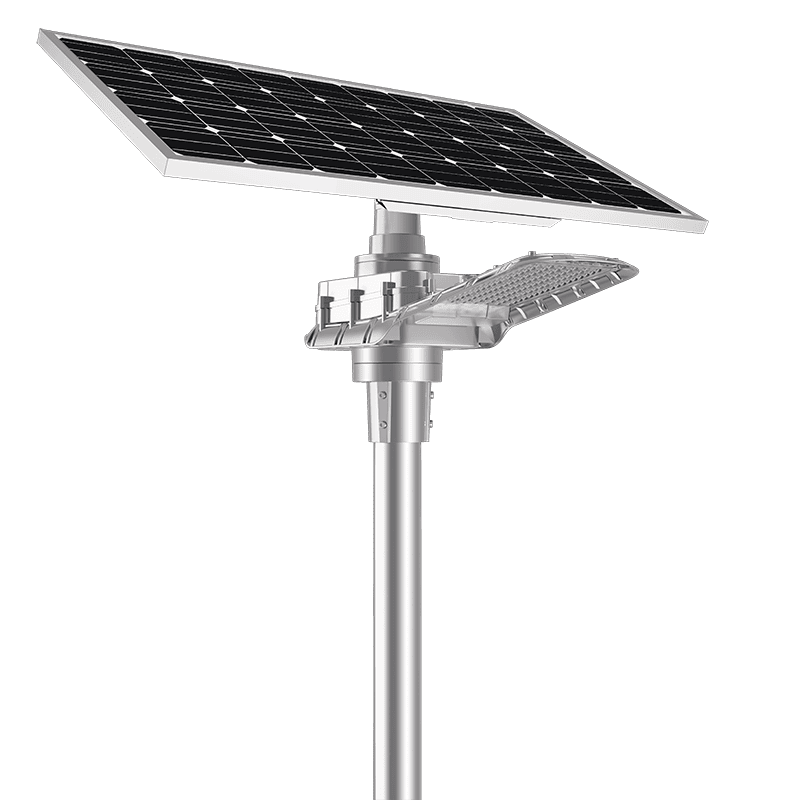
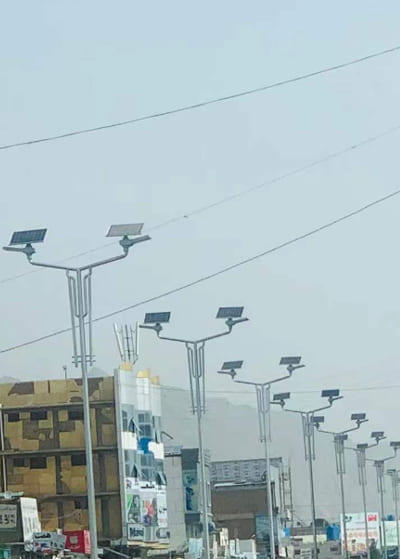
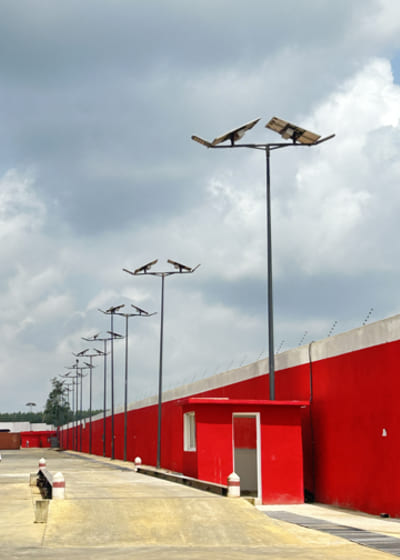
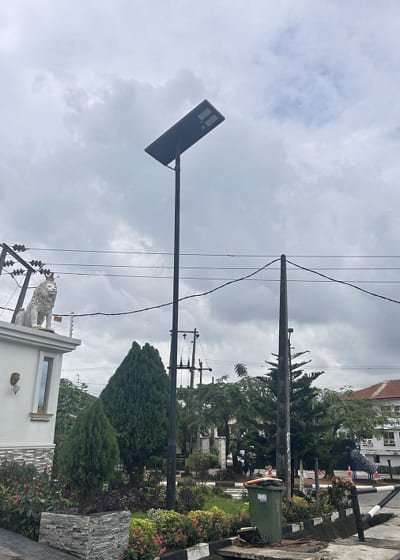
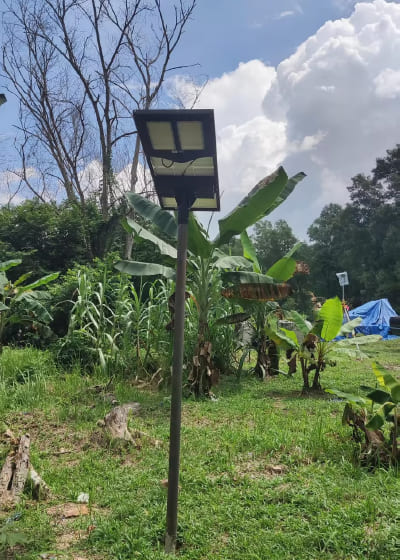
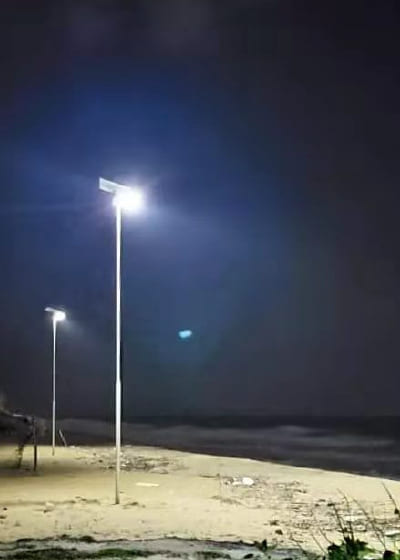
Our All-in-Two LED Solar Street Lights offer the ideal balance between easy installation and high-efficiency performance, combining the best features of All-in-One and Split-Mount Solar Street Lights. Unlike fully integrated systems, the separate yet compact solar panel and lamp unit ensures superior heat dissipation, extending battery life by up to 10 years (2,000+ cycles) while maintaining a clean, low-profile design for urban and rural applications.

Quick Comparison of Top-Selling Products

SL2
EcoLane - SL2

“Efficient solar streetlights with minimalist design for urban spaces”

Solar panel 60W-100W
Battery 192-384WH
Brightness 4,100-9,000LM
Installation height 6–10m

-Residential streets & urban neighborhoods
-Community parks & pedestrian plazas
-School zones & campus pathways

SL3
MegaRoute - SL3

“Ultra-bright solar lighting for expressway visibility and safety”

Solar panel 120W-150W
Battery 512-576WH
Brightness 12,000-14,400LM
Installation height 8–10m

-Highways & major arterial roads
-Industrial zones & logistics parks
-Large squares & transportation hubs

FH
LongRun - FH

“High-capacity solar panel and battery for extended runtime”

Solar panel 100W-150W
Battery 400-600WH 
Brightness 5,800-9,300LM
Installation height 7–10m

-Industrial facilities & storage yards
-Rural highways with limited maintenance
-Emergency backup for critical infrastructure

EcoLane - SL2​

Basic Street Lighting

The SunRider Series is engineered for residential streets, parks, and suburban pathways, offering 5,800–12,600LM brightness with adaptive durability. Built with an IP65-rated, anti-corrosion aluminum shell and LiFePO4 battery, it ensures reliable performance in temperatures from -20°C to 60°C.

  • All-Weather Endurance – LiFePO4 battery retains 90% capacity after 2,000 cycles (4× longer than lead-acid), ideal for 6–9M pole heights in moderate climates.

  • Adjustable Solar Panel – Manual tilt (vertical/horizontal) maximizes energy capture (19–22% efficiency), ensuring 5–7 days of backup in cloudy conditions.

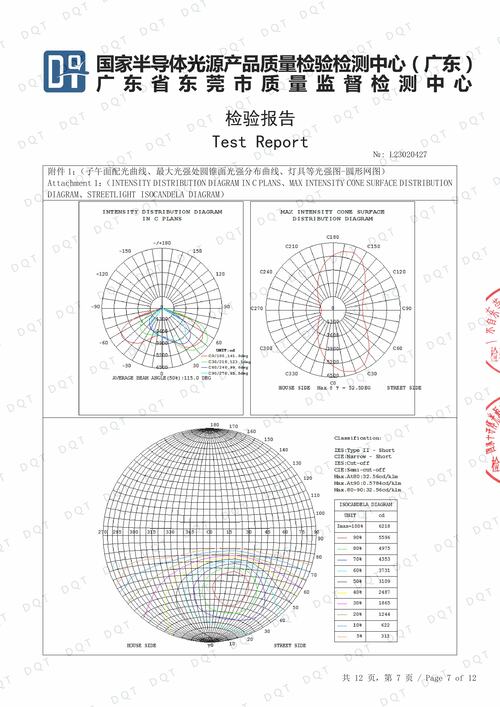
  • Optimized Beam Distribution – 113° average beam angle evenly illuminates 20–40M spacing for sidewalks and low-traffic roads.

Best For: Suburban streets, campus pathways, and parking lots requiring 60W–120W outputs.

MegaRoute - SL3​

Highway & High-Power Lighting

The MegaGlide Series delivers 13,600–14,400LM for highways, industrial zones, and arterial roads. Its MPPT+IPC 5.0 technology and 640WH battery support 150W+ loads, with a rugged IK10-rated housing for extreme environments.

  • Ultra-High Luminosity – 140×5050 LED chips (190LM/W) and 158°×55° beam angle cover 50M+ spacing on 8–10M poles.

  • Intelligent Energy Management – Multi-peak MPPT boosts solar conversion by 15–20%, while IPC 5.0 adjusts output based on weather data for 7+ rainy days.

  • Heavy-Duty Build – -30°C to 60°C operating range and dual low-power modes (transport/storage consumption ≤0.05mA).

Best For: Highways, ports, and industrial areas needing 100W–150W outputs with zero grid dependency.

LongRun - FH

Slim & Architectural Lighting

The NovaHorse Series combines sleek design with bat-wing lens technology (158°×62° beam) for urban plazas, bike lanes, and commercial spaces. At just 580–610mm in length, it’s optimized for 7–10M poles with polarized light distribution.

  • Wider, Uniform Lighting – Polarized bat-wing lens eliminates dark spots, ideal for 20–40M spacings in pedestrian zones.
  • Compact & Modular – Integrated solar panel/battery (19–20% efficiency) and tool-free adjustable bracket speed up installation.
  • Smart Thermal Control – ITC technology auto-shuts off at high temperatures and activates heating below 0°C, extending lifespan.

Best For: Commercial districts, parking garages, and scenic areas where 50W–150W outputs blend aesthetics with function.

Key Technologies that Set Us Apart

Keep improvements since years – less maintenance, more uptime, enhanced reliability – no wiring, fast installation, instant operation, 0 electricity bill

High-Efficiency Solar Panel

Premium monocrystalline solar technology: 20% conversion efficiency and 30-year durability for long-term clean power.

EV-Grade Battery

Uses same tough batteries as electric cars. Still 90% strong after 2,000 charges. 4× longer life than lead-acid types.

Raliable Solar Controller

Patent solar controller with dual-core processing – faster response, more secure data handling, less failure.

Overheat Protection

For safety, automatically stops charging when battery overheats. Resumes charging after cooling down.

Less Maintenance Battery Solution

Each battery cell works separately – if one fails, others keep going. Entire system lasts 3× longer than old tech.

Shadow-Proof Charging

Efficient light-capture tech to harvest energy even in partially shaded conditions or cloudy regions.

Steady All Night

Brightness stays exactly the same from evening until morning, no fading as battery runs low.

AI Weather Forecast

AI-powered tech to forecast weather and intelligently plan the discharge power to work for more rainy days.

Deep Sleep for Storage

Stays ready for 2 years without charging. Instantly works when needed – ideal for storage or delayed installations.

Remote Control

Change between timer/sensor/saver modes with one button. Test lights anytime, during day and night.

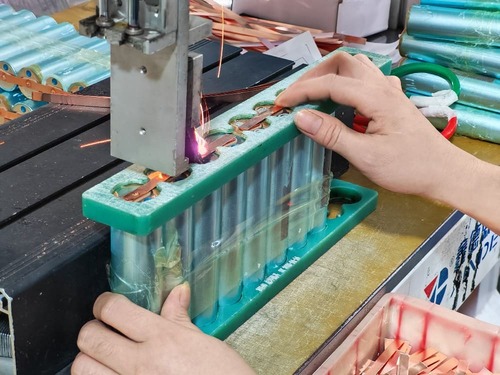
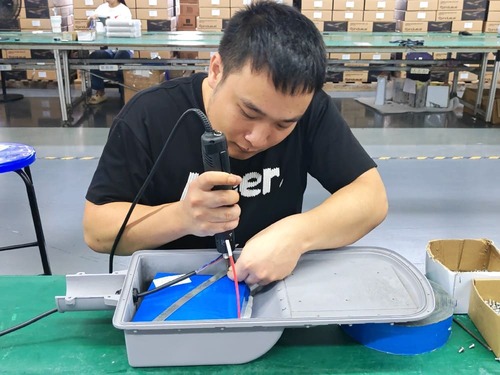
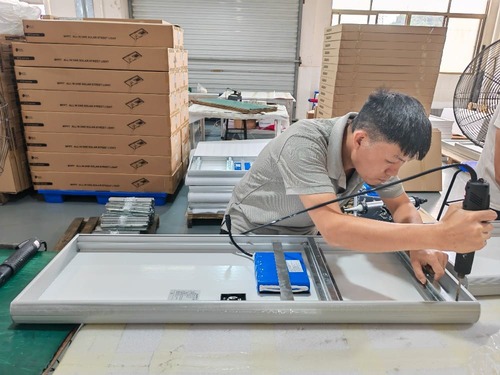
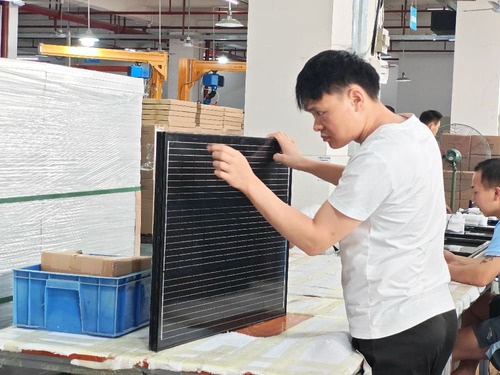
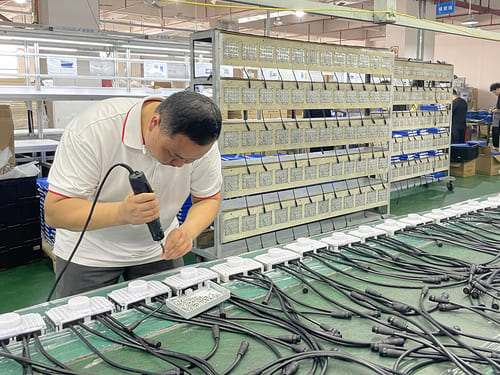
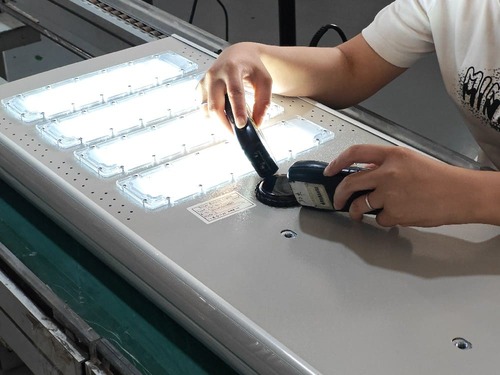
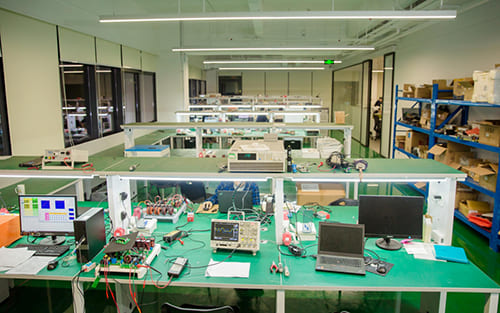
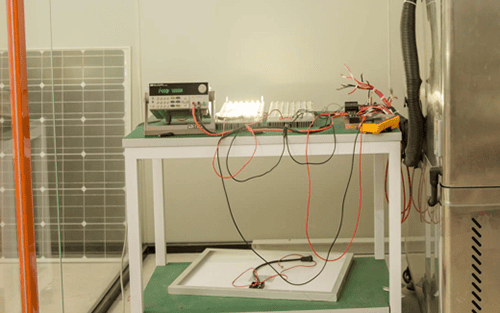
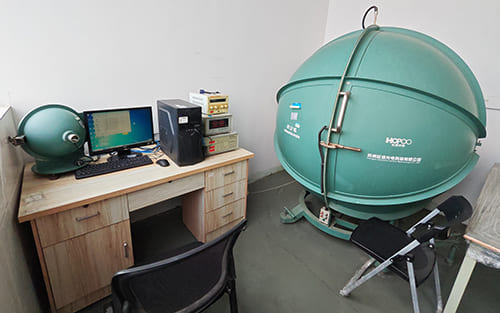
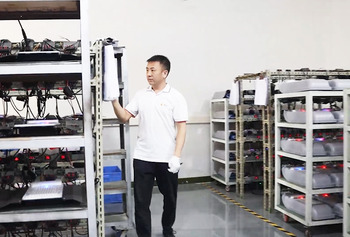
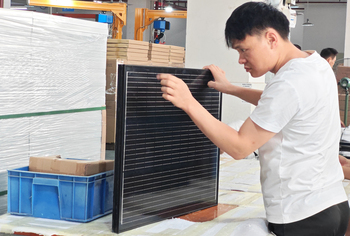
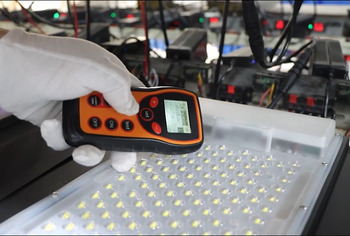
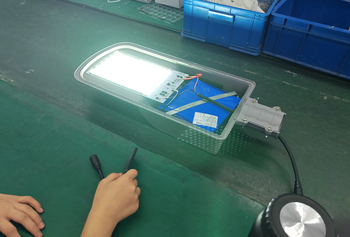
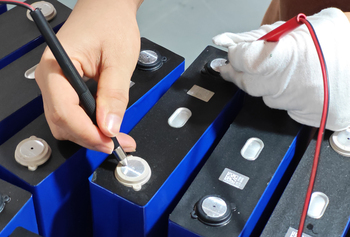
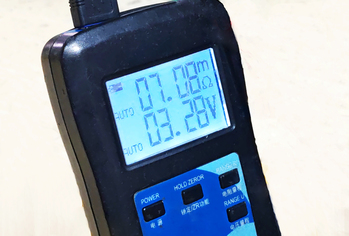
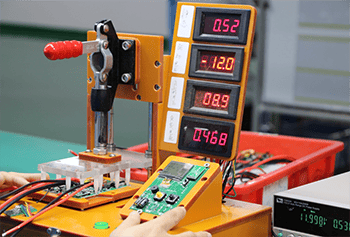
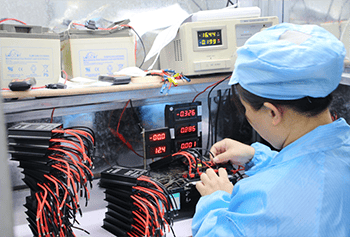
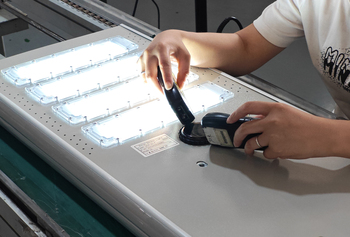
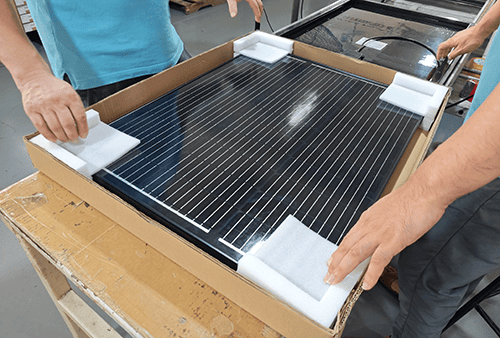
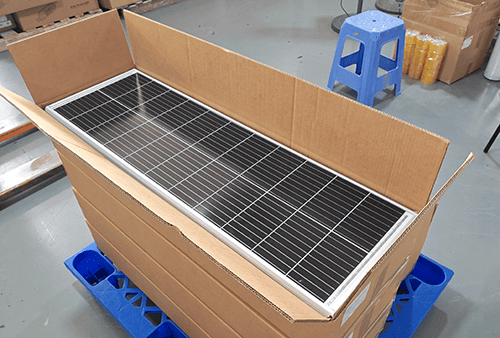
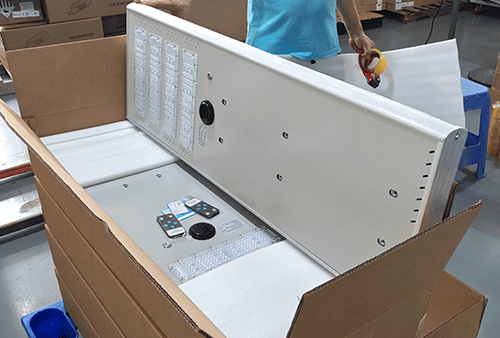
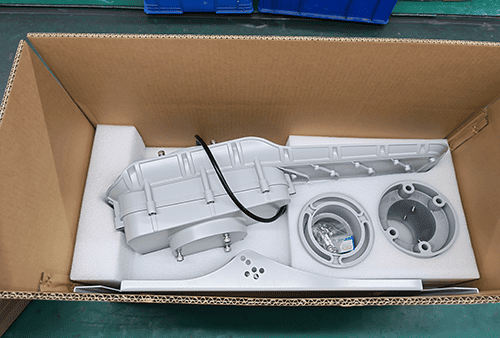
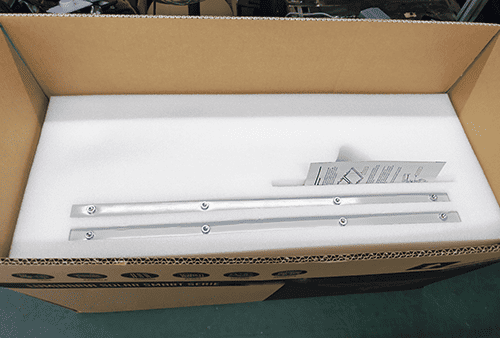
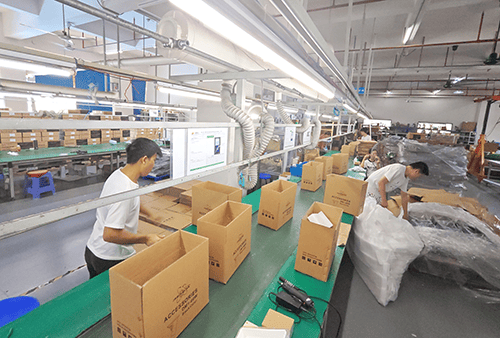
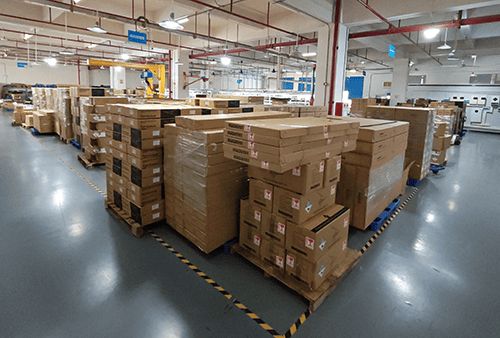
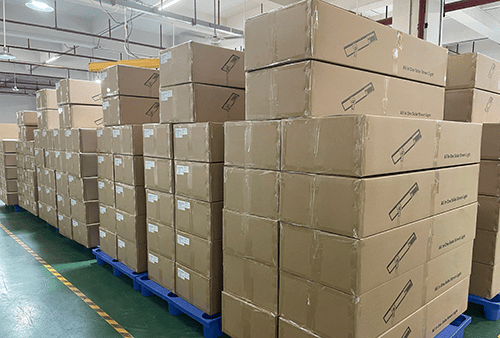
Production Facilities

Features of All-in-Two LED Solar Street Lights

Optimized Heat Dissipation, Longer Lifespan

  • The separate solar panel and lamp unit prevent heat buildup, significantly improving LED efficiency and battery lifespan (up to 10 years, 2,000+ cycles).
  • Unlike All-in-One models, it avoids overheating-induced degradation, ensuring stable lumen maintenance >90% over time.

Easier Installation Than Split-Type, Lighter Than All-in-One

  • Pre-assembled wiring and modular design reduce labor costs by 30%+ vs. split-type systems.
  • Lightweight structure (40–60% slimmer than All-in-One) fits standard poles (6–12M) without reinforcement.

High Energy Efficiency with MPPT Technology

  • MPPT controller + ICD 5.0 maximizes solar conversion (19–22% efficiency), storing 15–20% more energy than PWM systems.
  • Auto-adjusts charging for 5–7 rainy days of backup (vs. 3–5 days in basic models).

Flexible Configuration for Urban & Rural Use

  • Adjustable panel tilt (0°–65°) adapts to varied sunlight angles—ideal for high-latitude or cloudy regions.
  • Lamp-panel distance (0.5–3M) allows positioning in shaded or narrow spaces where All-in-One units fail.

Smart Lighting Control & Low Maintenance

  • Motion sensing + time-based dimming (30%/50%/100%) cuts unnecessary power waste.
  • Modular maintenance: Replace only battery, panel, or LED module—saving 50%+ costs vs. full-unit replacements.

Technical Comparison: All-in-Two vs. All-in-One vs. Split-Mount Solar Street Lights


FeatureAll-in-TwoAll-in-OneSplit-Mount
DesignModular (panel + lamp separate but compact)Fully integrated (panel, lamp, battery in one unit)In separate parts (panel and lamp as independent parts)
InstallationSimple: Pre-wiredSimple: Single-unit structureMost complex: Requires wiring and customized poles
Thermal ManagementSuperior: Separate components prevent heat stressModerate: Compact design may limit heat dissipationOptimal: Maximum cooling due to full separation
Charging EfficiencyMPPT-5.0 controller (90-95% efficiency)Typically PWM (70-85% efficiency) in budget modelsHighest efficiency: Large panels + MPPT (95%+)
Lumen Maintenance>90% over 50,000 hours (due to heat control)80-85% (potential degradation in hot climates)>90% (best for high-power, long-term use)
Battery Longevity8-10 years (LiFePO4, 2,000 cycles)5-7 years (LiFePO4, 1,200 cycles)10+ years (LiFePO4, 3,000+ cycles)
Weather AdaptabilityOptimized for -30°C to 60°CLimited to -20°C to 50°C (battery stress risks)Best for -40°C to 70°C (industrial-grade)
Smart FeaturesMotion sensor, time dimming, auto-adjust brightnessBasic dimming options (time or motion only)Advanced IoT controls (optional for industrial use)
MaintenanceEasy: Modular part replacement (battery/LED/panel)Complex: structural removal and part replacementEasy: Modular part replacement (battery/LED/panel)
Ideal ApplicationsUrban/rural roads, parking (40W-150W)Residential streets, gardens (20W-80W)Highways, ports, industrial (100W-300W+)

Complete Buyer’s Guide to All-in-Two LED Solar Street Lights

Balancing Modular Flexibility with Simplified Integration

Table of Contents

Chapter 1

Introduction to All-in-Two Systems

What Sets All-in-Two Apart?
All-in-Two systems feature a rigidly connected solar panel and luminaire for one-piece installation, while retaining independent component functionality for serviceability. Unlike All-in-One lights, the battery and electronics remain accessible without destroying the housing.

Key Advantages:
✔ Modular Maintenance: Replace batteries or panels without dismantling the entire system.
✔ Heat Management: Improved LED lifespan vs. All-in-One designs due to better heat dissipation.
✔ Cost-Effective Scalability: Easier capacity upgrades than All-in-One, with lower logistics costs than Split-Mount.

Typical Use Cases:

  • Urban roads with space constraints
  • Projects requiring moderate autonomy (3–7 days)
  • Regions with moderate temperatures (-20°C to 50°C)

Chapter 2

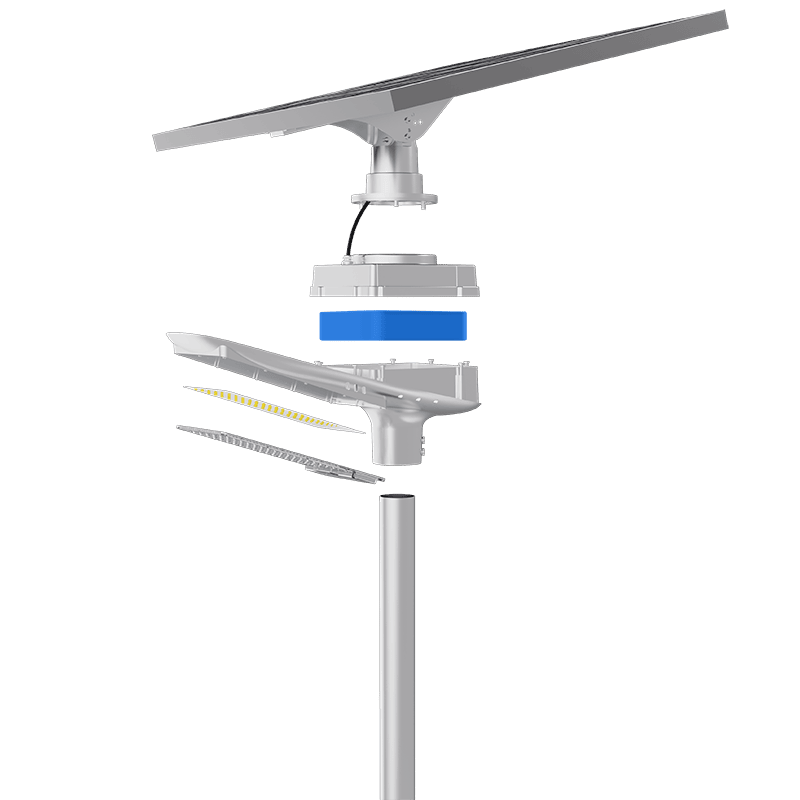
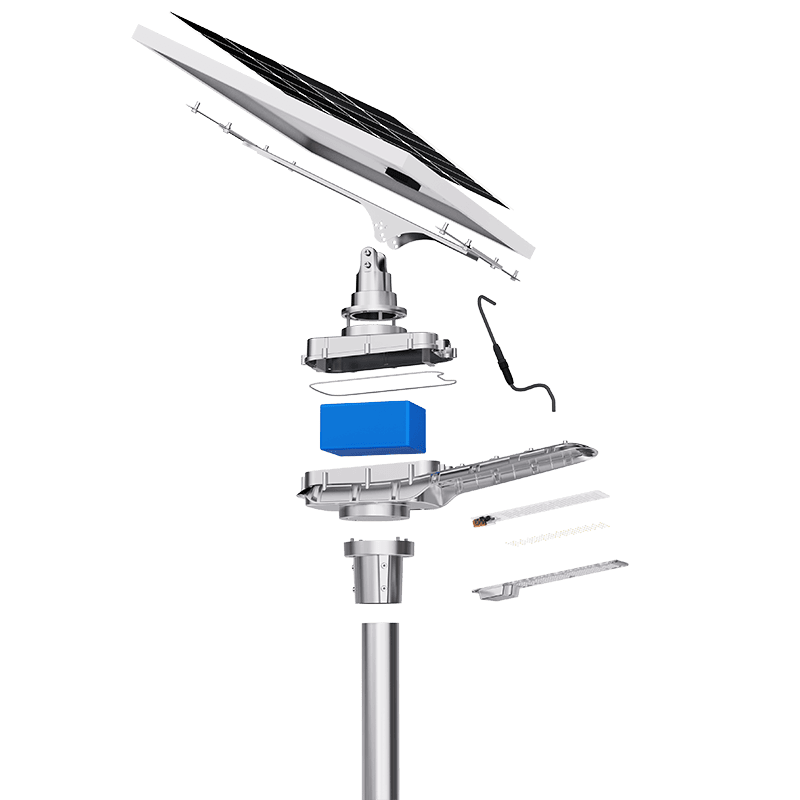
Anatomy of an All-in-Two Light

Core Components:

  1. Solar Panel: Mounted over the top of the lamp.
  2. Luminaire: Houses LED module and the battery (IP65+ rated).
  3. Battery Compartment: Integrated into the luminaire (LiFePO₄ preferred).
  4. Controller: MPPT for energy efficiency (typically 92–97% conversion).

Comparison with Other Systems:

FeatureAll-in-TwoAll-in-OneSplit-Mount
Battery AccessMedium (panel separate)Difficult (fully sealed)Easy (external box)
Installation Time20-30 mins20–30 mins1–2 hours

Chapter 3

Technical Specifications

Critical Metrics for Buyers:

  • Luminous Efficacy: 160–200 lm/W (higher = better energy use).
  • Battery Cycle Life: 2,500+ cycles at 80% DoD (LiFePO₄).
  • Panel Efficiency: 21–23% (monocrystalline with AR coating).
  • Wind Resistance: ≥150 km/h (pole-dependent).
  • IP Rating: IP65 for luminaire, IP67 for battery compartment.

Why These Matter:

  • Lower lumens/Watt increases panel/battery costs.
  • Battery chemistry affects cold-weather performance.

Chapter 4

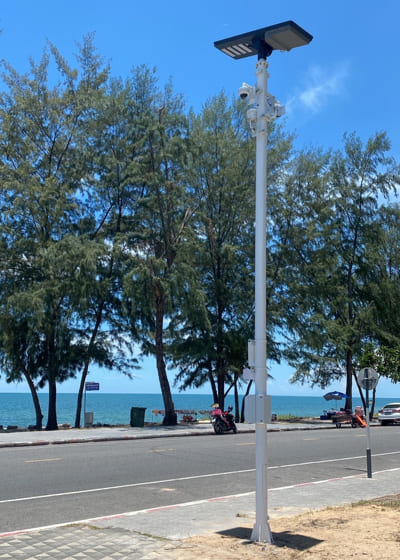
Solar Panel Configuration

Design Choices:

  • Tilt Angle: Adjustable (15°–45°) for seasonal optimization.
  • Mounting Options: Pole, wall, or ground (avoid shading!).
Efficiency Tips:

  • Use monocrystalline panels for space-constrained sites.
  • Anti-reflective coating boosts morning/evening output by ~5%.

Chapter 5

Battery Solutions

Capacity Sizing Formula:

Required Capacity (Ah) = (Daily Watt-hour Usage × Backup Days) / (System Voltage × DoD)  

Example: 100W for 8 hours = 800Wh. For 3-day backup at 24V and 80% DoD:
(800 × 3) / (24 × 0.8) = 125Ah

Battery Types:

  • LiFePO₄: Best for longevity (2,500+ cycles).
  • NMC: Higher energy density (cold climates).
Chapter 6

LED Luminaire Design

Key Features:

  • Thermal Management: Aluminum fins or heat pipes (critical for lifespan).
  • Optics: Asymmetric reflectors for road lighting (reduce glare).

Performance Metrics:

  • CCT: 4000K–5700K for roads (balance visibility/glare).
  • CRI: ≥70 for security areas.

Chapter 7

Smart Controls

Optional Upgrades:

  • Motion sensing (30–100% dimming).
  • Time-based profiles (e.g., midnight dimming).
  • Remote monitoring (4G/NB-IoT).

Chapter 8

Structural Advantages – Durability & Heat Dissipation

Optimized Thermal Management:

  1. Compartmentalized Design:

    • Pre-assembled solar panel and luminaire maintain thermal separation
    • Independent heat zones prevent thermal crossover between components
    • Operating range: -30°C to 60°C (verified in desert and arctic conditions)
  2. Enhanced Material Engineering:

    • Monolithic aluminum housing (5mm walls) with anti-corrosive treatment
    • Die-cast heat sinks for LEDs (30% more surface area than standard All-in-One)
    • Stainless steel fasteners throughout (M10 mounting bolts)
  3. Structural Validation:

    • Wind load certification: 160 km/h (IEC 61400-2 Class II)
    • Vibration resistance: MIL-STD-810G Method 514.6
    • IK08 impact rating for luminaire face

Installation-Ready Architecture:

  • Pre-aligned solar panel (fixed 30° angle ±2° manufacturing tolerance)
  • Integrated wiring channels with IP67-rated connectors
  • Tool-less battery compartment access (removable back panel)

Chapter 9

Installation – Simplified Yet Modular

All-in-Two system combines the structural simplicity of All-in-One installation with the modular repairability of split systems:

  • Pre-Assembled Unit: Solar panel and luminaire arrive as one fixed unit for quick pole-top mounting (like All-in-One).
  • Independent Components: Despite being structurally connected, the panel and luminaire function as separate technical modules (unlike All-in-One’s fully integrated design).

Installation Advantages vs. Competitors:

FeatureYour All-in-TwoStandard All-in-OneSplit-Mount
Installation Time15–20 mins (single lifting)15–20 mins1+ hour (multiple parts)
Maintenance AccessReplace panel/luminaire separately without full disassemblyRequires complete unit removalSeparate access to each part

Step-by-Step Installation:

  1. Pole Preparation:

    • Ensure pole-top flange matches unit’s base (typically 60–100mm diameter).
    • Verify pole grounding (<10Ω resistance).
  2. Mounting Process:

    • Hoist pre-assembled unit to pole top (use lifting straps).
    • Secure with 4x M10 stainless bolts (45–50Nm torque).
  3. Final Checks:

    • Confirm panel tilt angle (factory-preset at 30° ±5°).
    • Test LED operation before final tightening.

Maintenance Note:

  • While the panel isn’t detachable for remote mounting, it can be individually replaced if damaged (unlike All-in-One’s fully fused design).

Chapter 10

Maintenance & Serviceability

Field-Proven Service Protocol:

Routine Maintenance Schedule:

ComponentIntervalProcedurePerformance Metrics
Solar Array6 monthsVisual inspection for microcracks<3% power variance from baseline
LEDs2 yearsLumen output measurement (2m distance)Maintain ≥90% initial brightness
Battery12 monthsCapacity test (0.2C discharge rate)Voltage stabilization at 12.8V ±0.5V

Component Replacement Guide:

  1. Solar Panel:

    • Remove 4x security bolts (T15 Torx)
    • Disconnect waterproof MC4 connectors
    • Install new panel with factory alignment guides
  2. LED Module:

    • Open front service cover (quarter-turn latches)
    • Swap COB array without rewiring
    • Verify thermal paste application (2mm thickness)
  3. Battery:

    • Access through rear maintenance door
    • Slide-out tray design for 12V/24V LiFePO₄ packs
    • Automatic system recognition (no reprogramming needed)

Advanced Diagnostics:

  • Built-in Bluetooth module for wireless troubleshooting
  • Real-time monitoring of:
    • Panel output (Vmp/Imp tracking)
    • Battery health (SOC/SOH calculations)
    • LED driver efficiency (PF >0.95 verification)

Chapter 11

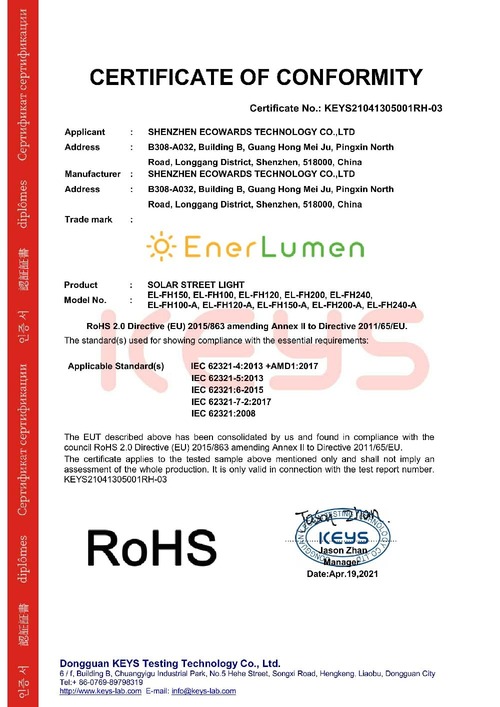
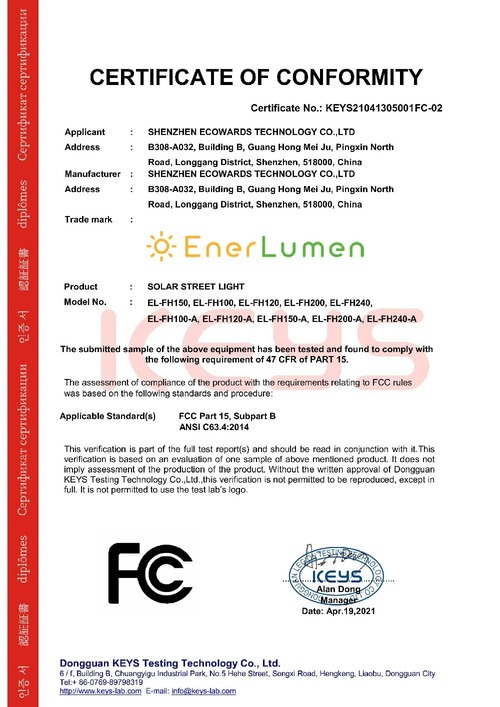
Certifications

Must-Have Certifications:

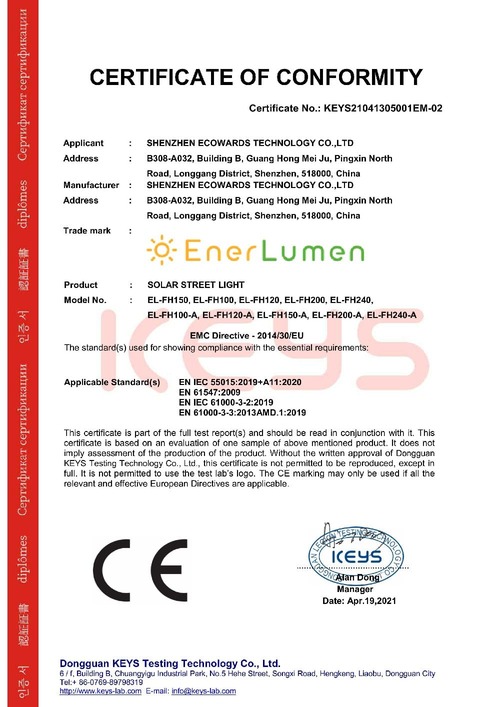
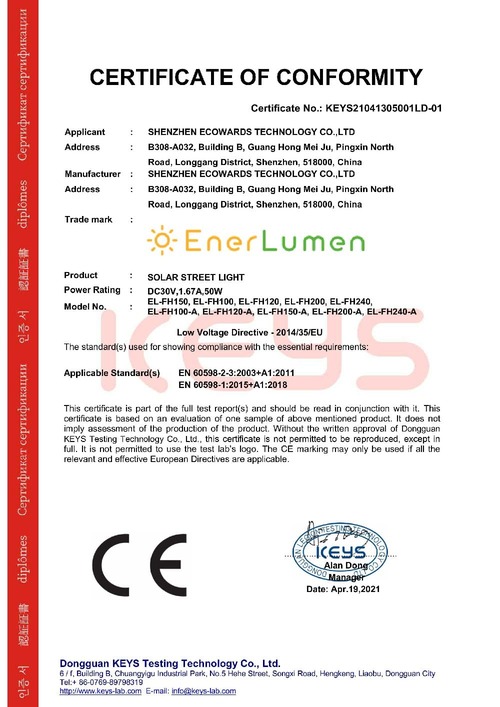
  • Safety: IEC 62493 (EMC), IEC 60598 (luminaires).
  • Battery: UN38.3 for shipping.
  • Sustainability: RoHS, REACH.

Chapter 12

Total Cost of Ownership (TCO) Including Infrastructure & Energy Costs

Comparison: Solar LED vs. Grid-Powered LED vs. HID Street Lights

Cost CategorySolar LEDGrid-Powered LEDTraditional HID
Initial Unit Cost (USD)$130–$150$80–$100$50–$100
Infrastructure Costs (USD):   
– Trenching & Conduit$0$50–$100/m$80–$150/m
– Cabling (Copper/Aluminum)$0$20–$50/m$30–$60/m
– Transformer/Grid Connection$0$500–$1,500$500–$2,000
– Pole Reinforcement$50–$150$50–$150$50–$150
– Permits & Labor (Installation)$100–$300$500–$1,500$800–$2,000
Total Infrastructure Cost (Single Light, 10m Span)$150–$450$1,700–$4,000$2,100–$5,000
Energy Consumption (10 Years, kWh)0 kWh4,500–6,000 kWh (LED)9,000–15,000 kWh (HID)
Electricity Cost (10 Years, $0.15/kWh)$0$675–$900$1,350–$2,250
Maintenance (10 Years):   
– Parts Replacement Cost$100 (2×$50 batteries)$100 (2×$50 drivers)$200–$300 (4×$50 bulbs)
– Labor + Crane per Visit$150–$300/visit (2 visits)$150–$300/visit (2 visits)$150–$300/visit (4 visits)
Total Maintenance Labor (10 Years)$300–$600$300–$600$600–$1200
10-Year Total Cost (USD)$580–$1,150$2,775–$5,600$4,250–$8,550
ROI Break-Even (vs. Grid LED)2–4 YearsN/AN/A


Conclusion:

✔ Solar is cheapest long-term despite higher upfront unit cost.
⚠ Grid/HID infrastructure costs dominate (60-80% of TCO).
💰 Solar pays for itself in 2–4 years vs. grid LED when including infrastructure.

Chapter 13

Procurement Checklist

  1. Define Needs: Backup days, light levels, smart features.
  2. Verify Specs: Panel efficiency, battery cycles, IP rating.
  3. Request Samples: Test real-world performance.
  4. Audit Supplier: Check factory QC processes.

Chapter 14

Case Examples

Project: 2km Rural Road (50 units)

  • Challenge: Frequent power outages, vandalism risk.
  • Solution: All-in-Two with vandal-proof luminaires (IK08) and 150Ah batteries.
  • Result: 4-year ROI vs. grid extension.

Chapter 15

FAQs – Addressing Buyer Concerns

Q1: Why choose All-in-Two over All-in-One?
A: When you need:

  • Longer LED lifespan (20% cooler operation)
  • Easier battery replacements (no complete disassembly)
  • Partial shade conditions (separate panel positioning)

Q2: How does All-in-Two handle extreme cold?
A: With LiFePO₄ batteries:

  • -20°C operation standard (optional self-heating batteries for -30°C)
  • 80% capacity retention at -10°C vs. 50% for lead-acid

Q3: Can I upgrade components later?
A: Yes – key benefits:

  • Panel: Upgrade to higher wattage (controller permitting)
  • Battery: Increase capacity (same voltage system)
  • LED: Compatible with 100-150W drivers

Q4: What’s the real-world lifespan?
A: Conservative estimates:

  • LEDs: 50,000hrs (L70)
  • Battery: 8 years (80% capacity at 25°C, 500 cycles/yr)
  • Structure: 12+ years (galvanized steel)

Pro Tip: Request 3rd-party test reports for:

  • LM-80 (LED degradation)
  • IEC 62133 (battery safety)