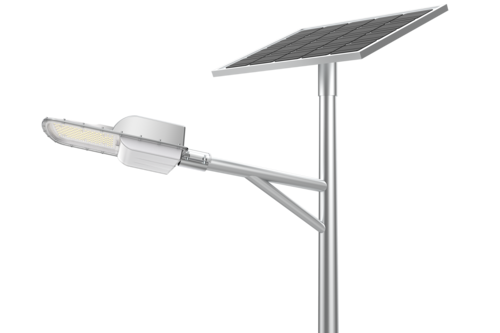
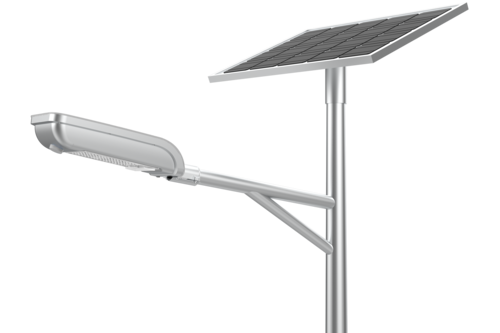
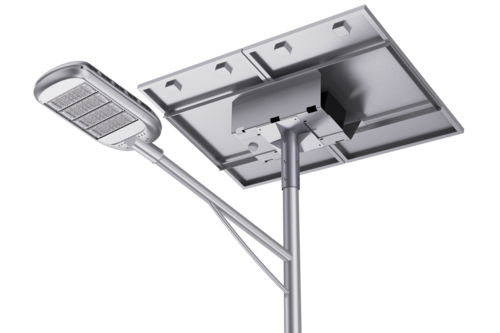
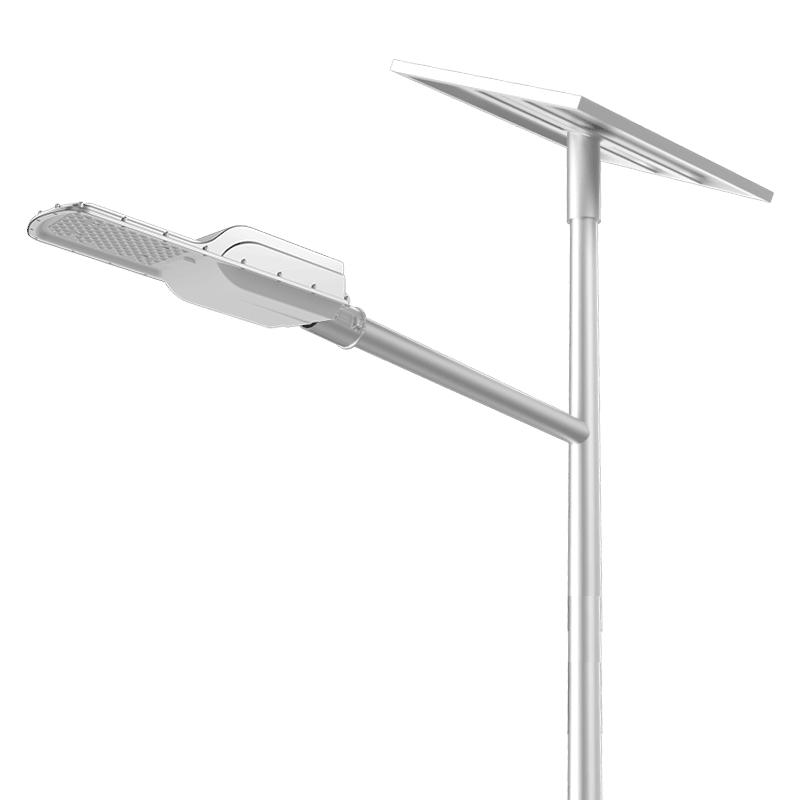
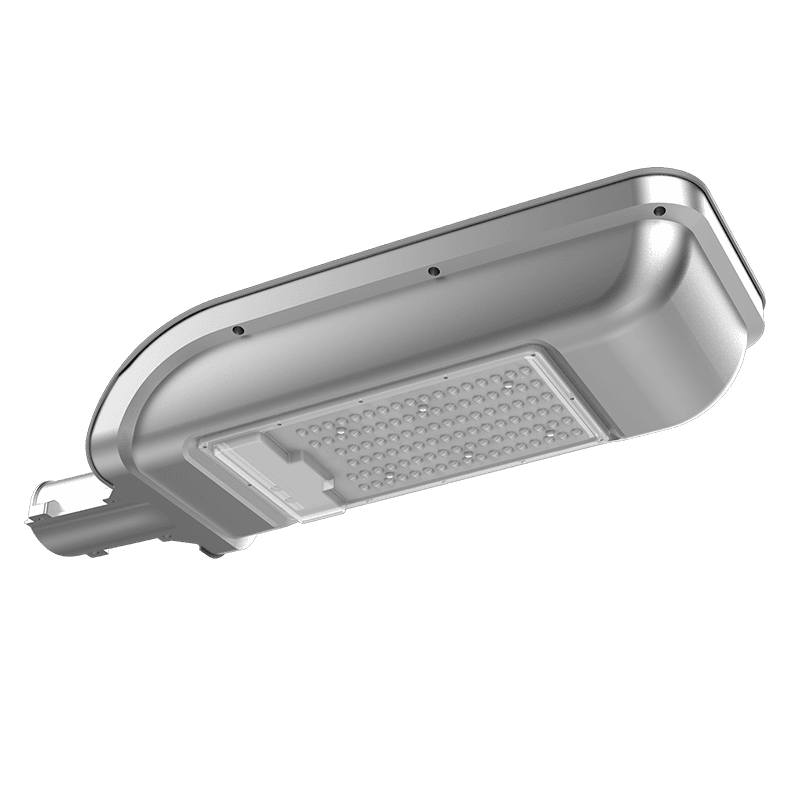
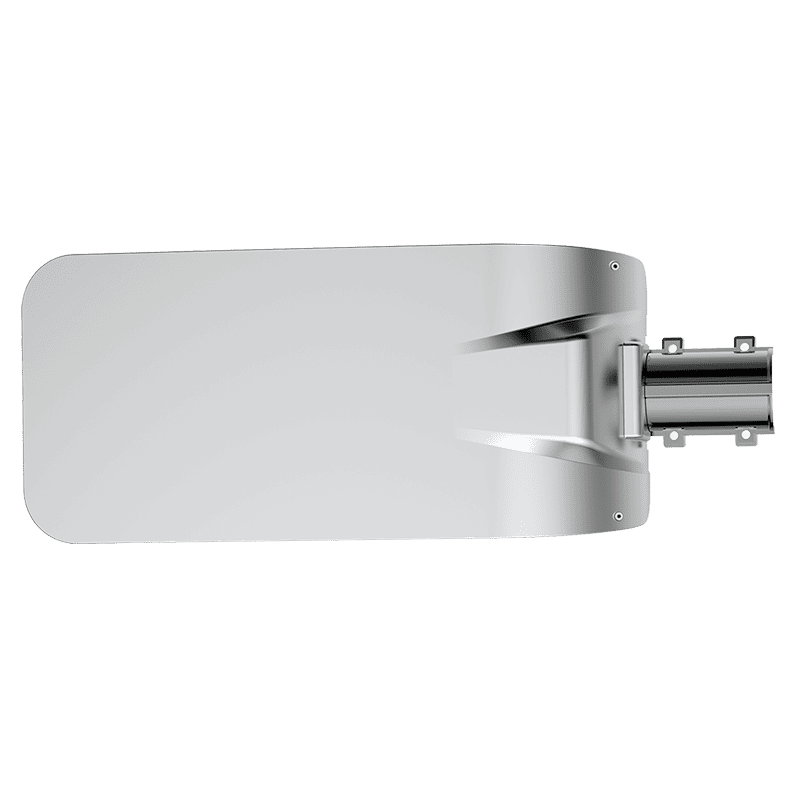
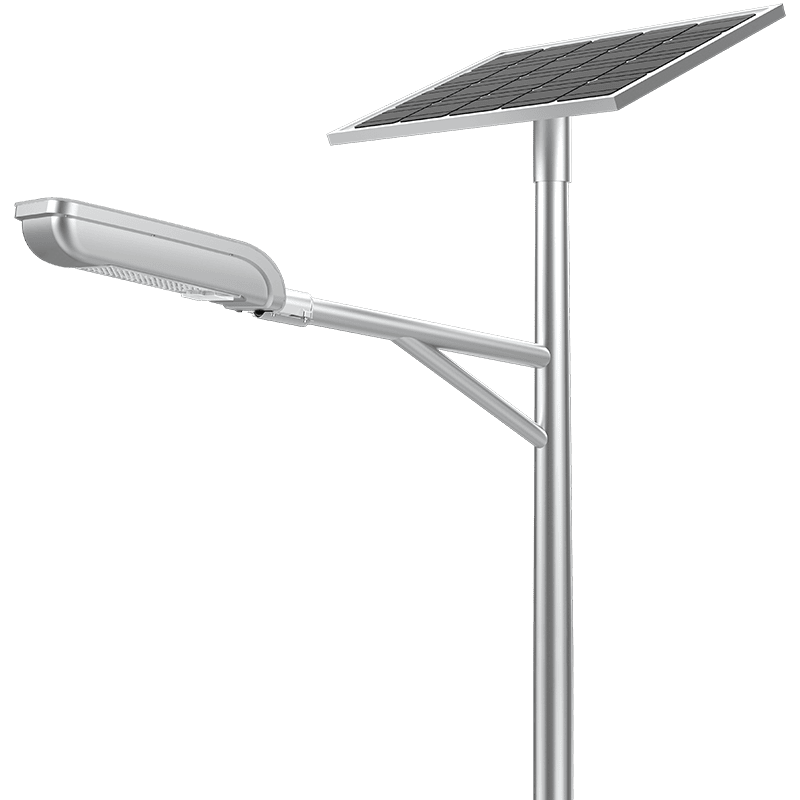
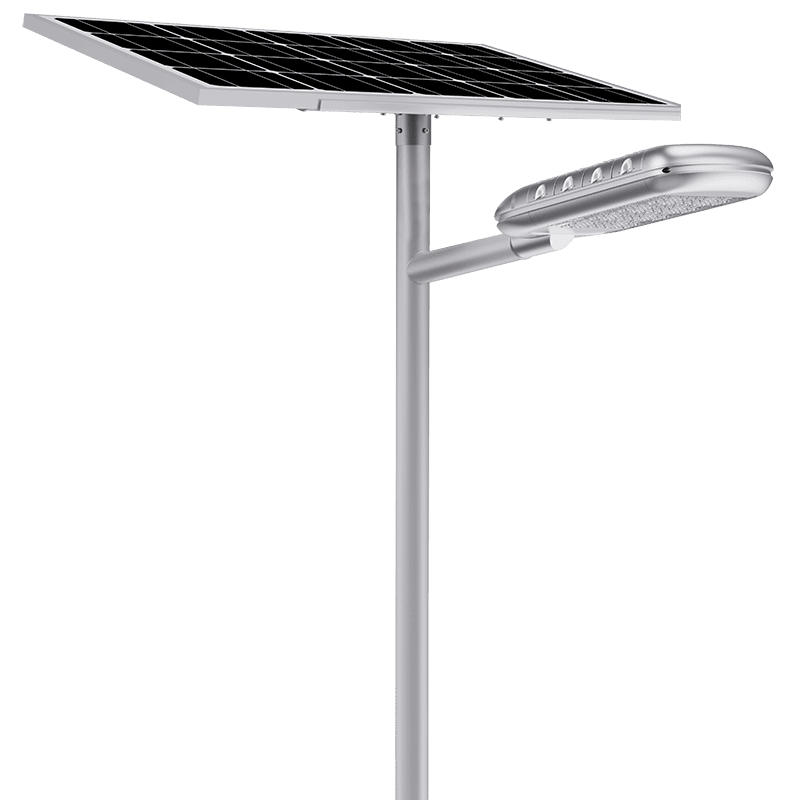
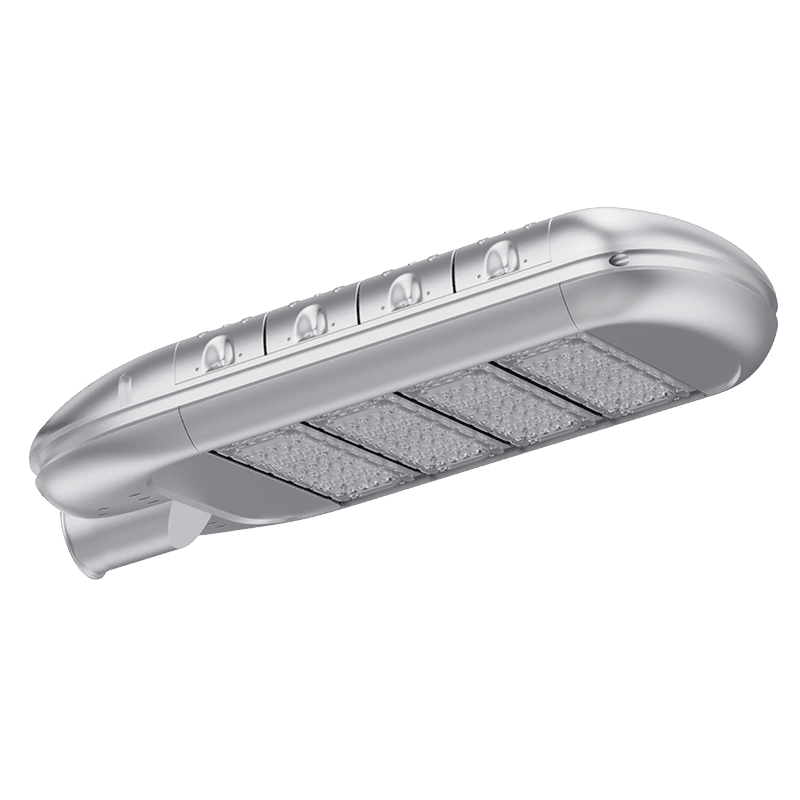
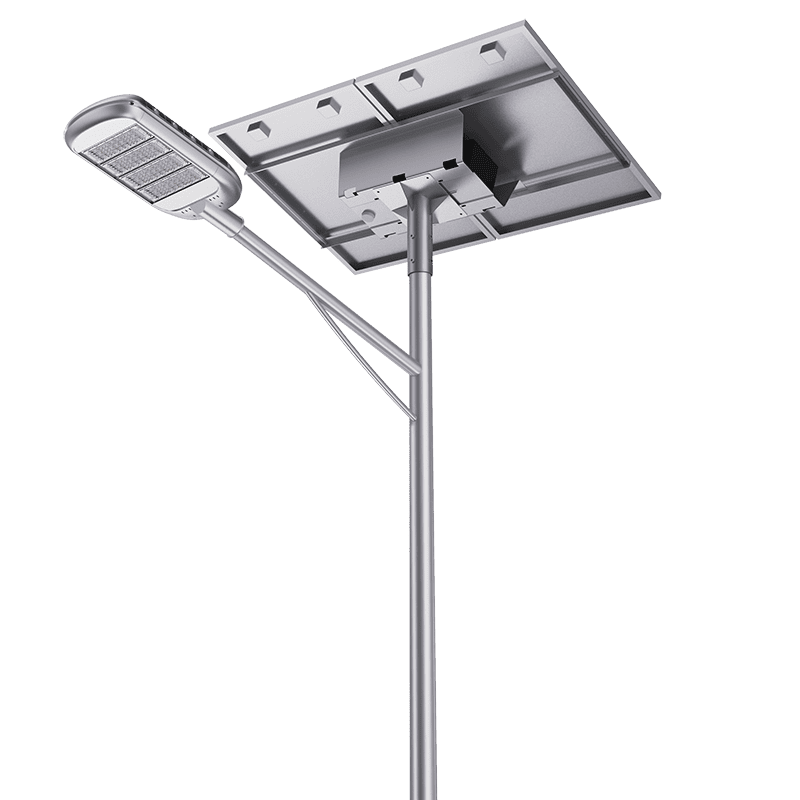
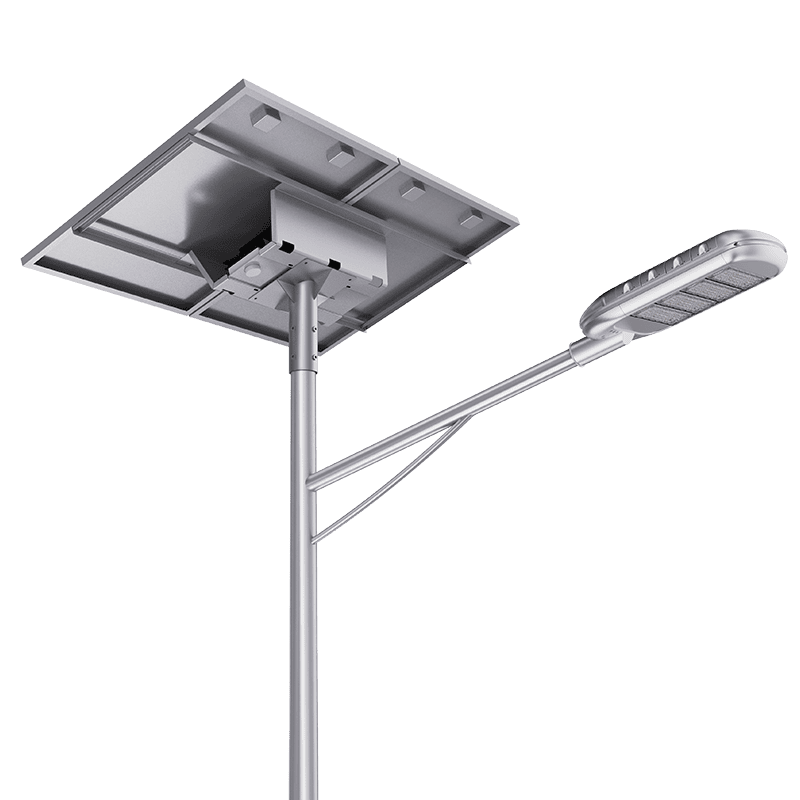
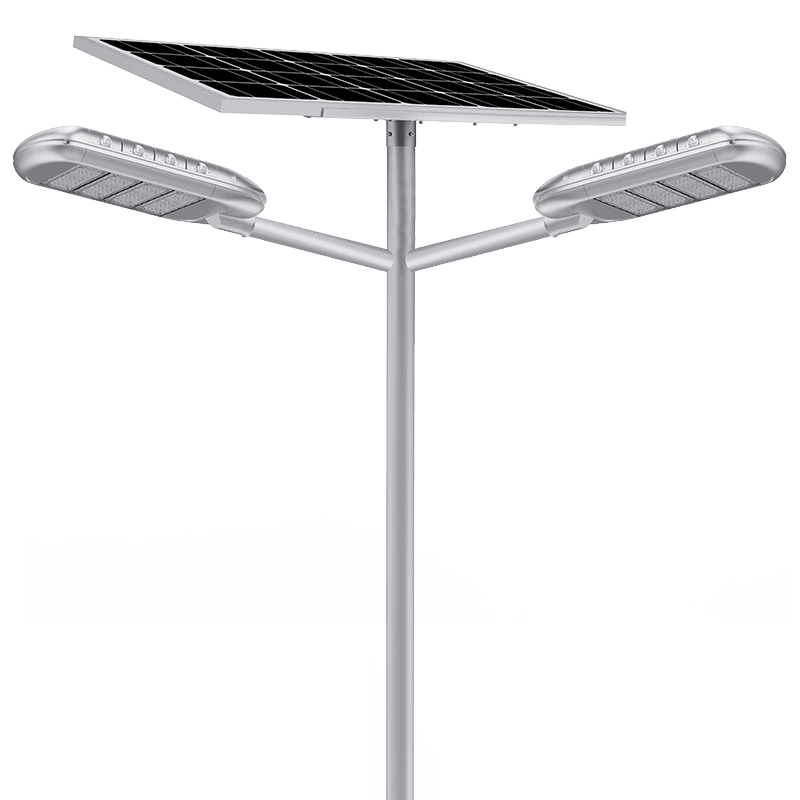
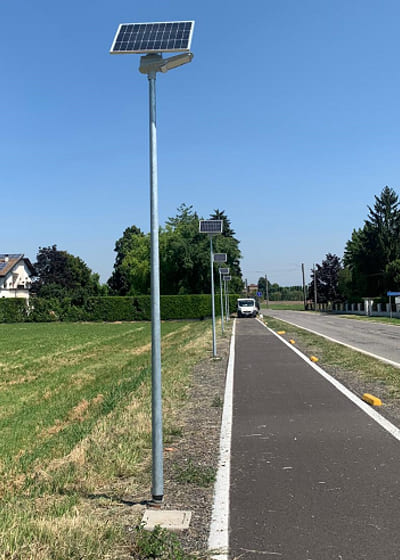
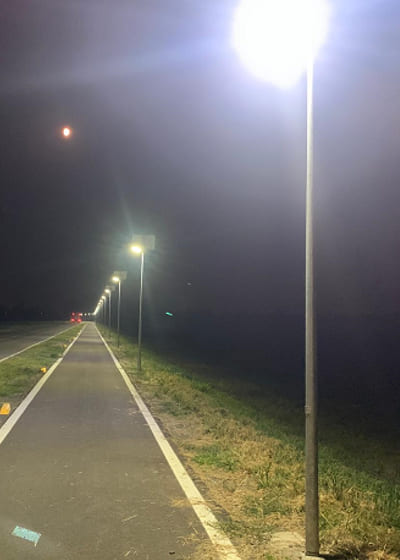
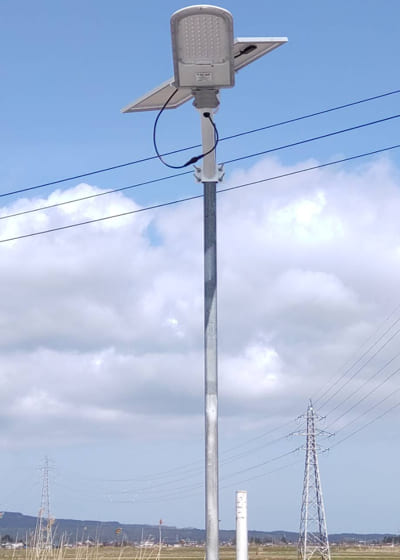
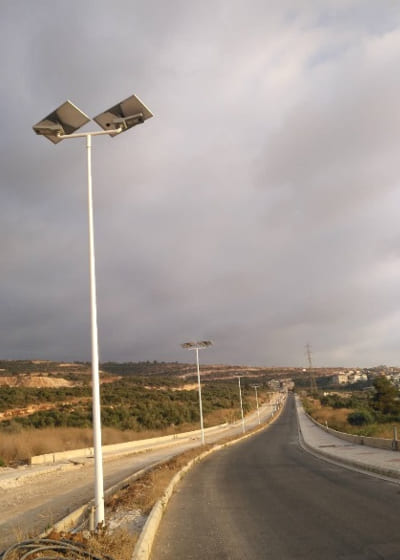
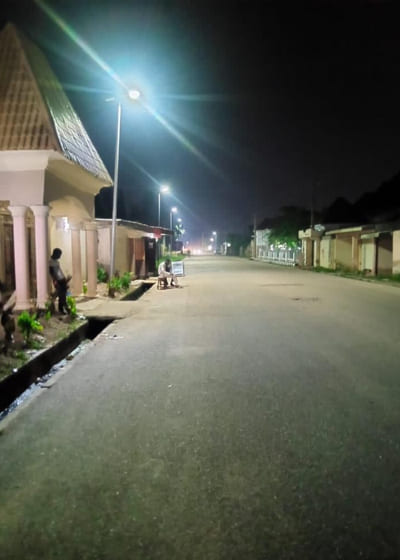
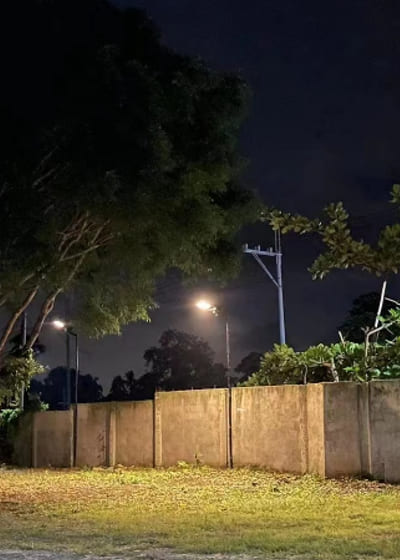
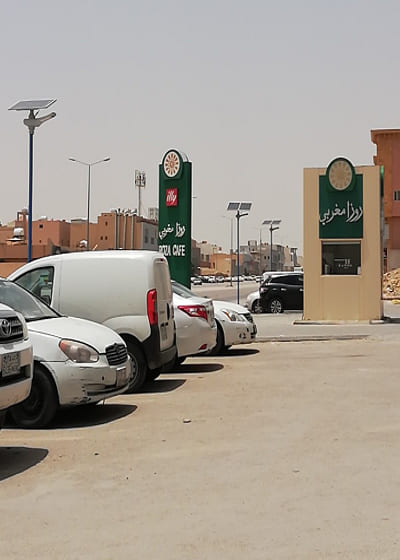
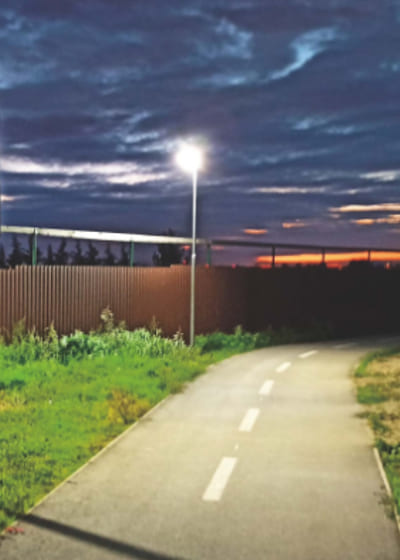

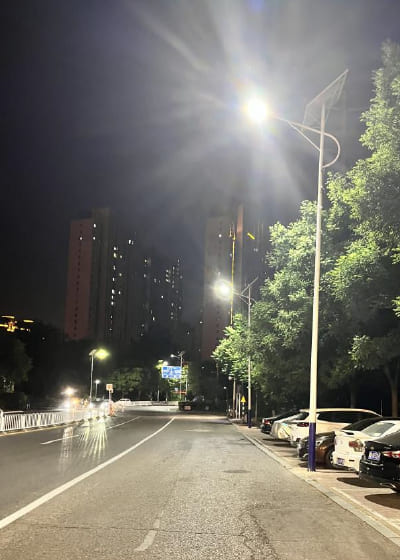
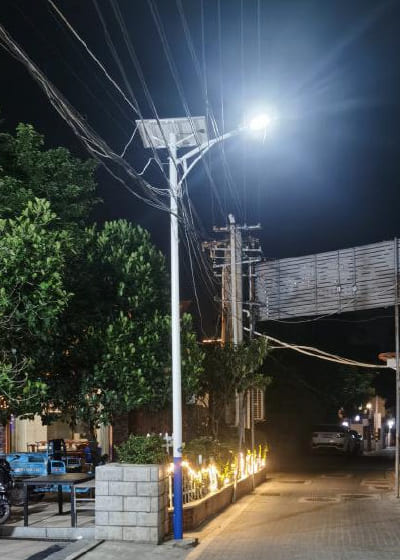
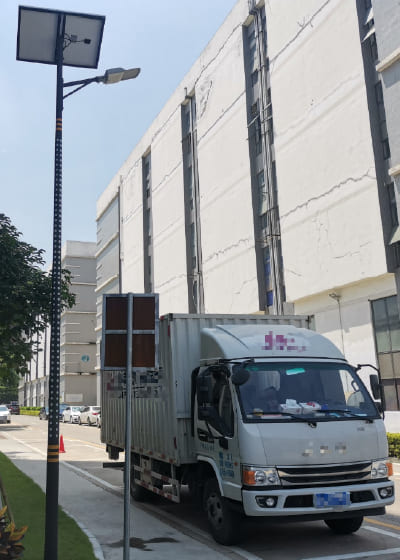
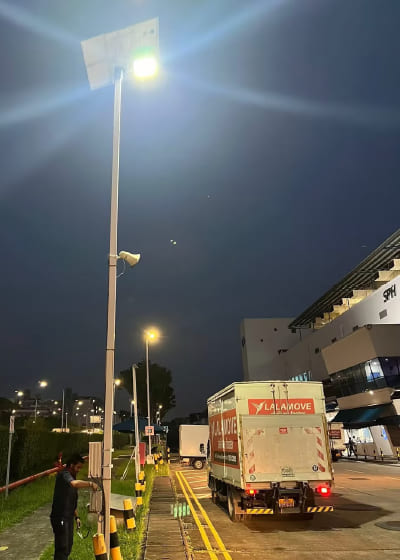

























Split-Mount LED Solar Street Lights

SplitSolar Family: Reliable, Flexible Solar Street Lighting Solutions

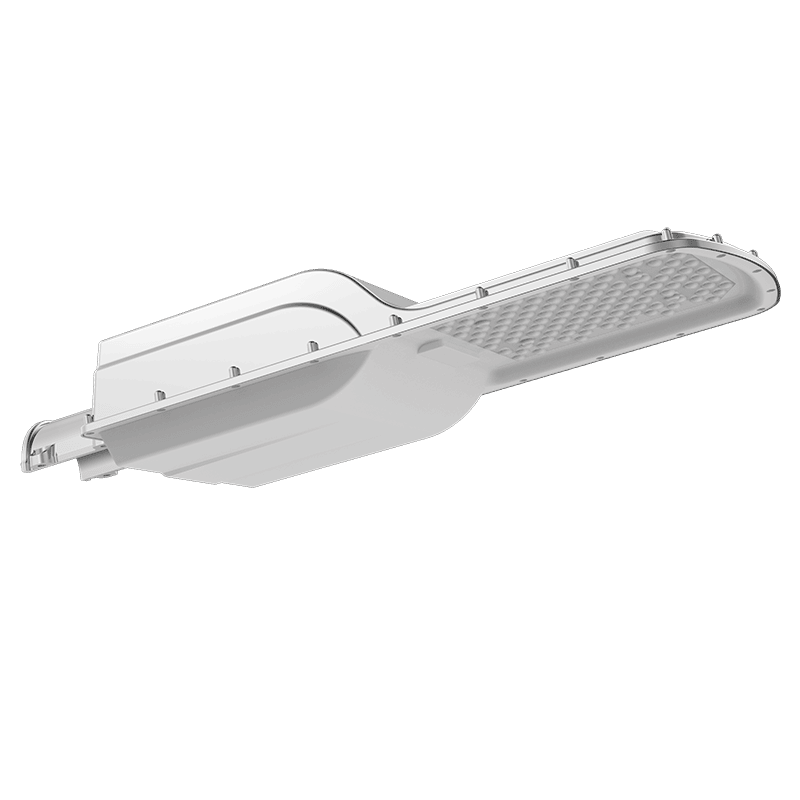
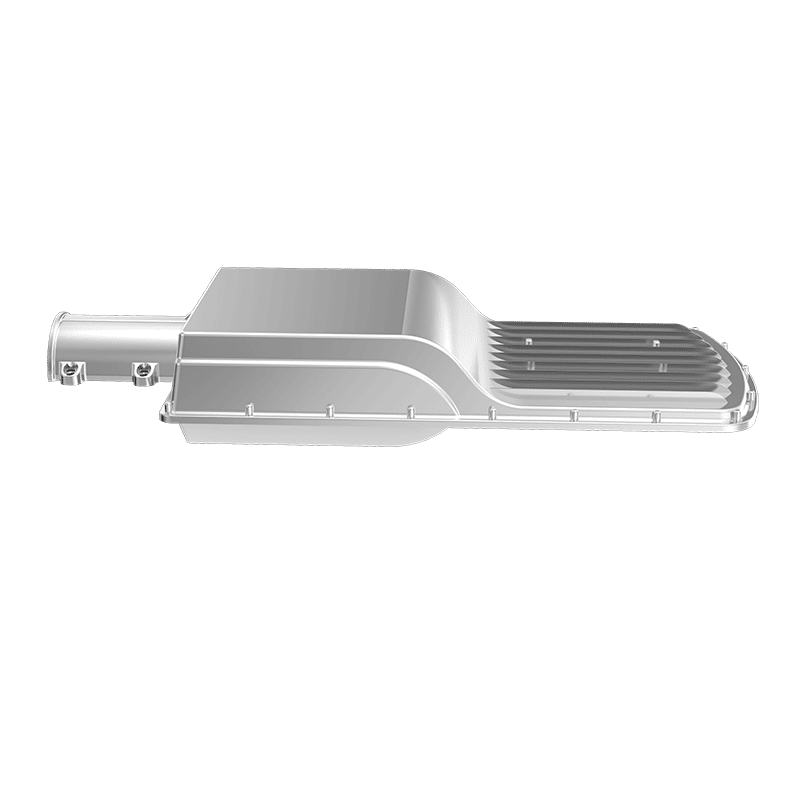
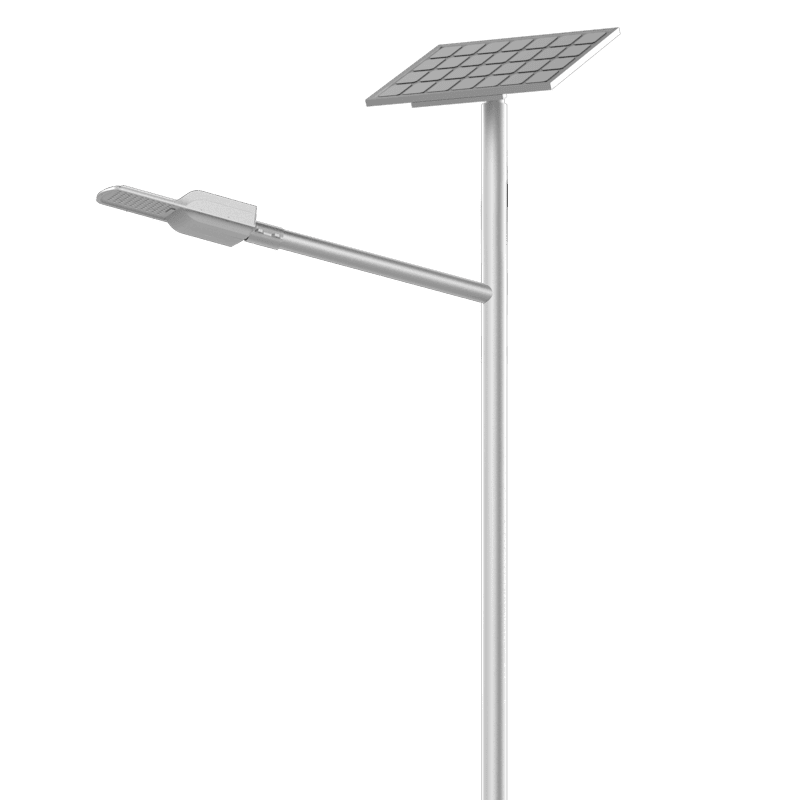
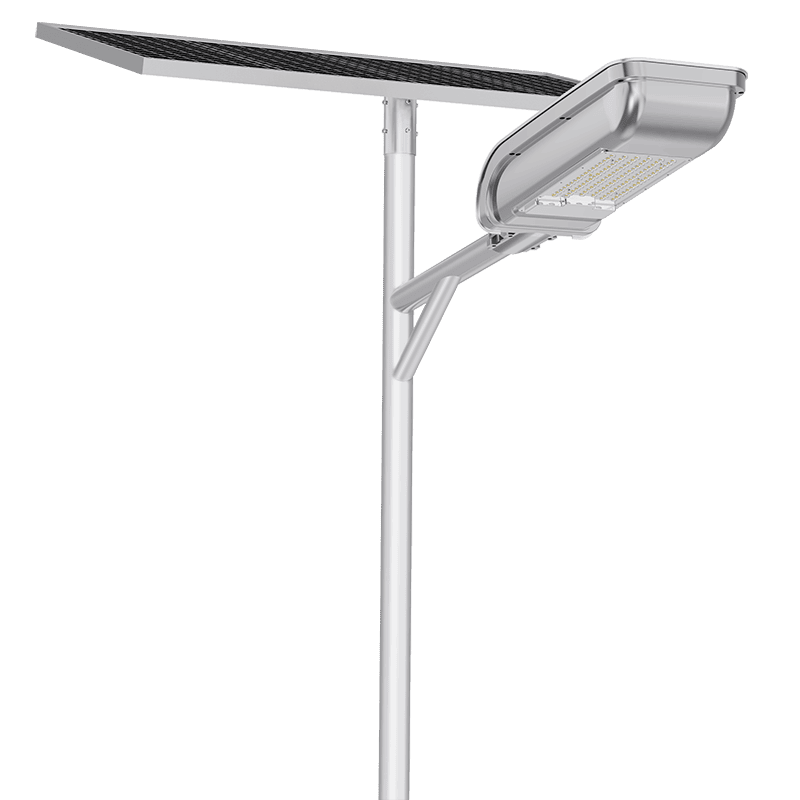
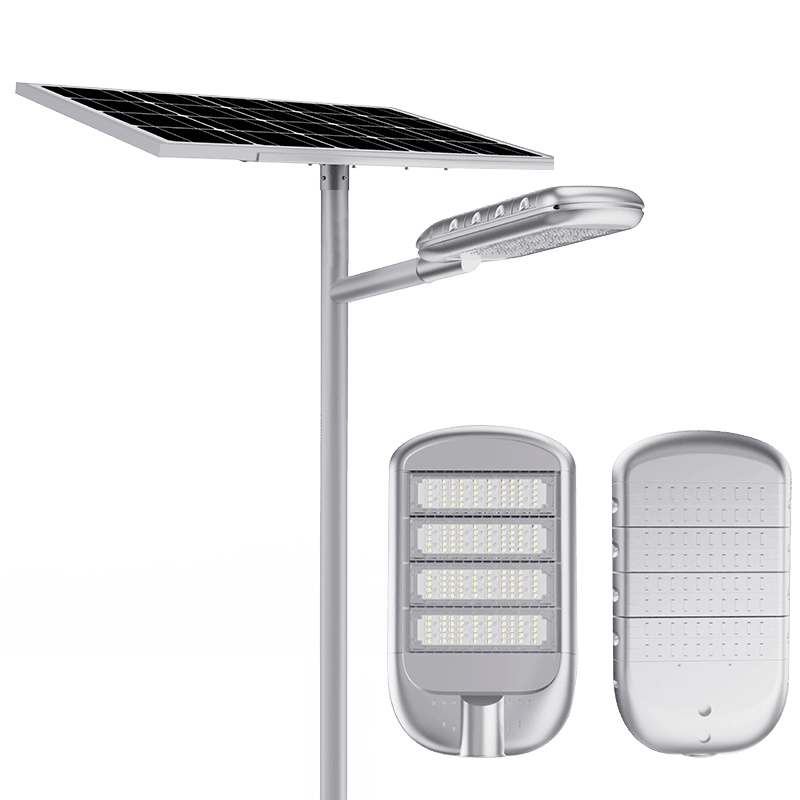
The SplitSolar series delivers high-performance split mount solar street lights, featuring a modern design with separate solar panels and light fixtures for enhanced adaptability. With multiple power options to suit residential, commercial, and industrial needs, this family ensures efficient lighting tailored to different environments.

Whether you need cost-efficient neighborhood lighting or heavy-duty illumination for highways, SplitSolar provides durable, low-maintenance, and weather-resistant solar solutions.

Discover the right fit for your project below—explore different series and their unique applications.

Fast Comparison of Best-Selling Items

Professional-grade systems with completely separate components for maximum customization. Supports larger solar panels and battery capacities for 7+ rainy days autonomy. Modular design allows component replacement and upgrades. Designed for highways, industrial areas and security zones.

Y
ECOLite - YY

“Cost-effective slim design with batwing lens for efficiency.”

Solar panel 60W-120W
Battery 192-384WH
Brightness 3,400-8,000LM
Installation height 5–10m

-Residential streets & pedestrian pathways
-Small community parks & urban plazas
-Suburban & rural road lighting

P
TerraBright - YP

“Rugged build ensures high brightness and long lifespan.”

Solar panel 150W-200W
Battery 512-640WH
Brightness 9,600-12,800LM
Installation height 8–10m

-Highways & major arterial roads
-Industrial zones & logistics parks
-Large public squares & transportation hubs

HS
EnduroMax - HS

“Premium dual-solar design features advanced power management tech.”

Solar panel 2*150W or 2*200W
Battery 1,536-1,920WH
Brightness 16,000-20,800LM
Installation height 8–12m

-Offshore oil rigs & coastal installations
-Polar/mining camps in harsh climates
-Military bases & critical infrastructure

ECOLite - YY

Affordable Eco-Lighting with Optimized Performance

Designed for residential streets and community spaces, the ECOLite combines sleek aesthetics with efficient 3,400–8,000LM illumination. Its slim-profile IP66 aluminum housing integrates advanced thermal management for stable performance across -30°C to 55°C environments.

  • Smart Energy Economics – Modular lithium battery (192-384WH) delivers 6-8 year lifespan (1,200+ cycles at 85% retention), featuring low-voltage protection for battery longevity.

  • Precision Solar Harvesting – 60-120W monocrystalline panels with patent-pending batwing lens achieve 22% system efficiency, maintaining 3-5 nights operation during rainy periods.

  • Adaptive Light Distribution – 130° batwing optics eliminate dark spots between 5-10M poles while reducing glare, perfect for walkways and roadways.

Best For: Municipalities and developers needing budget-friendly solutions for neighborhoods, park trails, and village roads (60-120W solar capacity).

TerraBright - YP

Industrial-Grade Solar Lighting for Heavy-Duty Applications

Engineered to withstand the most demanding environments, TerraBright delivers powerful 9,600–12,800LM illumination for critical infrastructure across all weather conditions. Its military-spec IP68-rated housing features impact-resistant polycarbonate and corrosion-proof aluminum alloy construction (-40°C to 70°C operating range).

  • Unrivaled Power Capacity – Commercial lithium iron phosphate (LFP) battery (512–640WH) maintains 80% capacity after 4,000+ cycles (12+ year service life), engineered for highway-grade reliability.

  • Maximum Solar Performance – Heavy-duty 150–200W monocrystalline panels with 24% efficiency feature anti-reflective coating and 30° adjustable tilt, ensuring continuous operation through 10+ cloudy days.

  • Precision Highway Optics – Asymmetric 150° beam pattern provides uniform coverage at 8–10M mounting heights, eliminating dark zones while minimizing light pollution – ideal for interchanges and logistics yards.


Best For: National highway networks, port authorities, and industrial campuses requiring 150W+ systems with military durability standards.

EnduroMax - HS

Military-Grade Dual Solar Lighting for Extreme Environments

Engineered for the world’s most challenging environments, EnduroMax delivers unmatched 16,000–20,800LM illumination with revolutionary dual-power redundancy – the ultimate fail-safe lighting solution for Arctic bases, offshore platforms, and defense installations.

  • Ultra-High Capacity Power Core – Twin commercial-grade LFP batteries (1,536–1,920WH) maintain 80% capacity after 5,000+ cycles (15+ year service life), featuring integrated heating for long time operations.

  • Tactical Dual-Solar System – Two hurricane-rated 150W or 200W panels with military-spec intelligent power switching ensure continuous operation through 7+ rainy days.

  • Precision Optical System – Hybrid 170° lens technology eliminates shadows at 8–12m mounting heights while maintaining NVG compatibility for security applications.


Best For: Military bases, offshore oil rigs, and polar research stations demanding ultra-reliable lighting for mission-critical operations.

Key Technologies that Set Us Apart

Keep improvements since years – less maintenance, more uptime, enhanced reliability – no wiring, fast installation, instant operation, 0 electricity bill

High-Efficiency Solar Panel

Premium monocrystalline solar technology: 20% conversion efficiency and 30-year durability for long-term clean power.

EV-Grade Battery

Uses same tough batteries as electric cars. Still 90% strong after 2,000 charges. 4× longer life than lead-acid types.

Raliable Solar Controller

Patent solar controller with dual-core processing – faster response, more secure data handling, less failure.

Overheat Protection

For safety, automatically stops charging when battery overheats. Resumes charging after cooling down.

Less Maintenance Battery Solution

Each battery cell works separately – if one fails, others keep going. Entire system lasts 3× longer than old tech.

Shadow-Proof Charging

Efficient light-capture tech to harvest energy even in partially shaded conditions or cloudy regions.

Steady All Night

Brightness stays exactly the same from evening until morning, no fading as battery runs low.

AI Weather Forecast

AI-powered tech to forecast weather and intelligently plan the discharge power to work for more rainy days.

Deep Sleep for Storage

Stays ready for 2 years without charging. Instantly works when needed – ideal for storage or delayed installations.

Remote Control

Change between timer/sensor/saver modes with one button. Test lights anytime, during day and night.

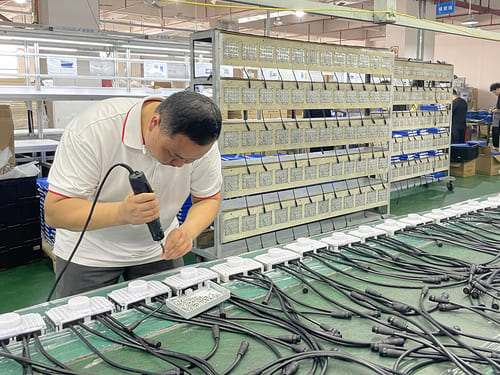
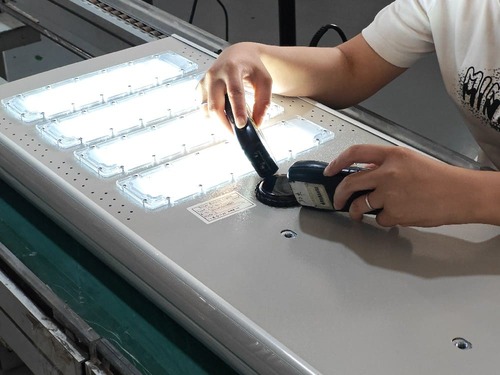
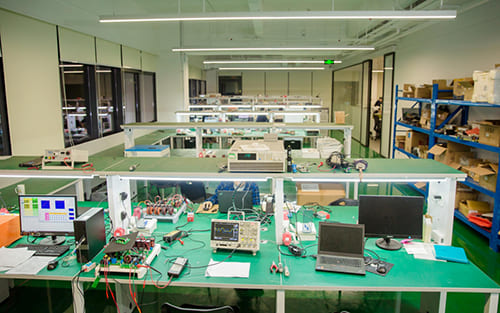
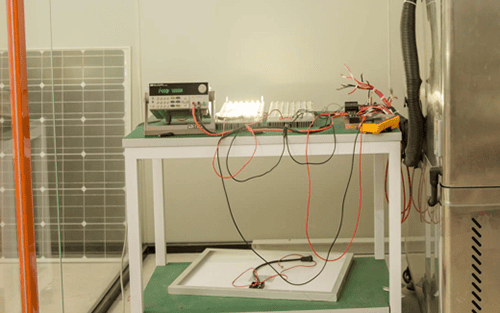
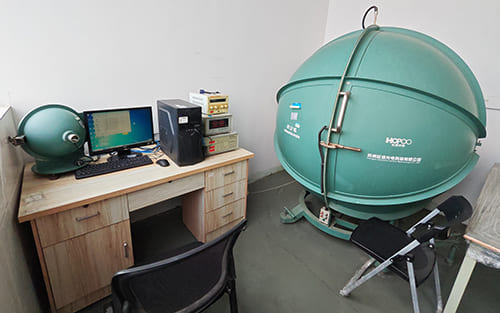
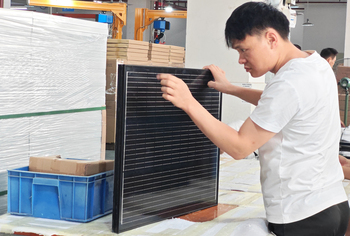
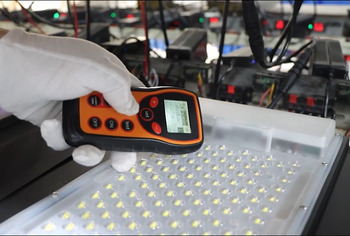
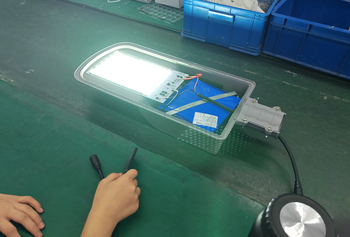
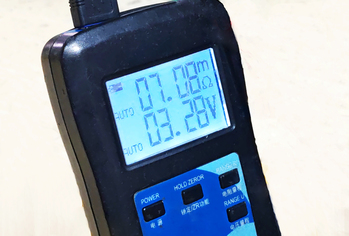
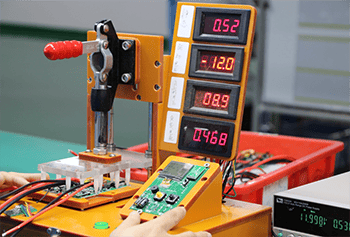
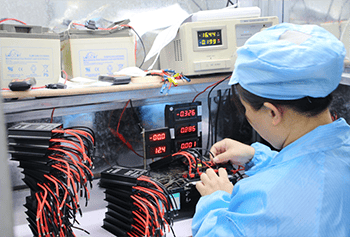
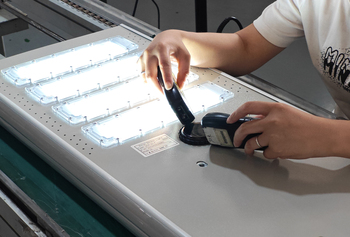
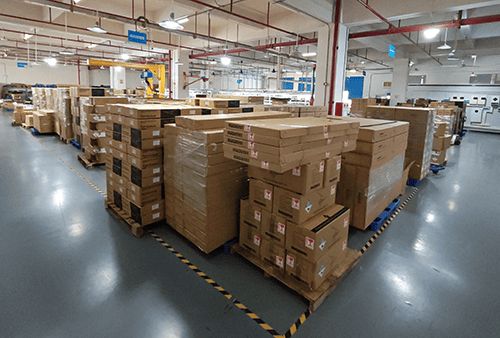
Production Facilities

Essential Guide: Split-Mount Solar Street Light Systems

1. Modular Design for Optimal Solar Performance

Split-mount systems separate solar panels and batteries for better placement flexibility.
Position panels in full sunlight while keeping batteries in shaded or secure locations.
Ideal for areas with partial shading, uneven terrain, or security constraints.

2. High Flexibility Compared to All-in-One Lights

Allows independent component upgrades (e.g., larger battery or higher-wattage panels).
Better cooling for batteries in hot climates, increasing lifespan.
Easier maintenance—replace individual parts without dismantling the entire system.

3. Military-Grade Durability for Harsh Environments

Corrosion-resistant housing suits coastal, desert, and arctic conditions.
IP66+ rated components withstand rain, dust, and salt spray.

4. Intelligent Power Management for Reliability

Dual MPPT controllers maximize energy conversion in low-light conditions.
5-10 days of backup power, extendable with hybrid (solar + wind) options.
Remote monitoring & dimming for adaptive lighting control.

5. Scalable Solutions for Every Lighting Need

Choose from ECOLite (budget-friendly), TerraBright (industrial-strength), or EnduroMax (military-grade).
Each series is optimized for different brightness, weather resistance, and durability needs.
Perfect for everything from quiet neighborhoods to offshore rigs and arctic bases.

Split Mount vs. All-in-One Solar Street Lights: Strengths Comparison

FeatureSplit Mount Solar Street LightsAll-in-One Solar Street Lights
Design AdvantageModular design allows flexible component placementCompact, integrated design minimizes footprint
Installation BenefitsComponents can be positioned optimally for environmentQuick plug-and-play installation saves time
Performance EdgeHigher power capacity for demanding applicationsEfficient design ideal for standard lighting needs
Maintenance StrengthIndividual component replacement reduces long-term costsPre-configured system simplifies upkeep
Environmental AdaptabilityBetter suited for extreme climates/harsh conditionsExcellent for moderate climate urban applications
Upgrade FlexibilityAllows independent upgrades of panels/batteryComplete system upgrades are streamlined
Best Application FitIndustrial zones, highways, remote locationsResidential streets, parks, urban pathways
 

Key Takeaway: Split Mount excels in customization and high-power scenarios, while All-in-One shines in convenience and urban applications.

Split-Mount Solar Street Lights: A Complete Purchasing Handbook

(Technical Q&A for Engineering Buyers)

Table of Contents

Chapter 1

What is the operating temperature range for Enerlumen’s split-mount systems?

Enerlumen solar street lights operate reliably in -20°C to +60°C environments. Key design features:

  • Battery: LiFePO4 batteries with intelligent temperature control (ITC) activate heating/cooling below 0°C or above 45°C.

  • Solar Panel: Monocrystalline cells (19%-22% efficiency) with snow-shedding tilt (30° adjustable).

  • LED Module: Aluminum heat sinks maintain junction temperature below 85°C at full load

Chapter 2

How does the modular design benefit large-scale deployments?

Enerlumen’s split systems allow:

  • Independent Upgrades: Swap batteries (128WH–1,920WH) or panels (60W–200W) without replacing entire units.

  • Reduced Maintenance Costs: Failed components (e.g., batteries) can be replaced in <30 minutes (vs. 2+ hours for all-in-one lights).

  • Future-Proofing: Supports hybrid wind/solar expansions.

Chapter 3

What lighting modes are available for energy efficiency?

Six programmable modes via remote control:

ModeLighting SequenceDurationRecommended Applications
DEMO100% brightness1 minuteInstaller verification, pre-commissioning tests
OFFCompletely offContinuousTemporary shutdown during maintenance
L100% → 60% → 20%2h → 3h → dawnTownship roads – All-night safety lighting with balanced energy use
T100% → 50% → 30%3h → 3h → 2hParking lots – High brightness early, lower during late-night
M100% → 50%3h → 3hResidential streets – Prioritizes early-night lighting
U100% → 50%
+30% motion boost
3h → 3hHigh-security zones – Motion-activated brightness boost
 

Key Notes:

  • U Mode increases to 130% brightness upon motion detection (configurable via remote).
  • Default L Mode optimizes battery longevity while ensuring visibility.
  • T Mode mimics energy-saving profiles used in commercial parking lots.

Chapter 4

How does Multi-Peak MPPT improve charging efficiency?

Unlike standard MPPT, Enerlumen’s patented Multi-Peak MPPT:

  • Tracks multiple power points when panels are partially shaded (e.g., by trees).

  • Boosts energy harvest by 15–20% (verified in Malaysia installations).

  • Extends battery life by preventing inconsistent charging (3,500+ cycles @ 90% capacity retention).

Chapter 5

What pole height and spacing are recommended?

Per installation manual:

ModelPole HeightSpacingApplication
YP-1507–8m25–35mTownship roads (Project Case: China)
HS-4008–12m35–50mHighways (Project Case: Mexico)
YH-120-M5–6m20–30mGardens (Project Case: Myanmar)
 

Chapter 6

How is waterproofing ensured for coastal projects?

  • IP67 Battery Boxes: Tested at 1m underwater for 30 mins (Project Case: Sri Lanka seafront).

  • Corrosion-Resistant Materials: Aluminum housing with saltwater-proof coatings.

  • Elevated Mounts: Optional 2m pole brackets for flood-prone areas.

Chapter 7

Can Enerlumen lights integrate with existing grid infrastructure?

Yes. The YY/YP series support:

  • AC Hybrid Mode: Automatically switches to grid power during prolonged low solar input.

  • Retrofit Kits: Compatible with conventional street light poles (Project Case: Nigeria city roads).

Chapter 8

How does Enerlumen's bat-wing lens optimize light distribution?

Enerlumen’s patent bat-wing lens achieves:

  • Wider Coverage: 160°×45° beam angle (YP-200 model) vs. industry standard 120°×60°.

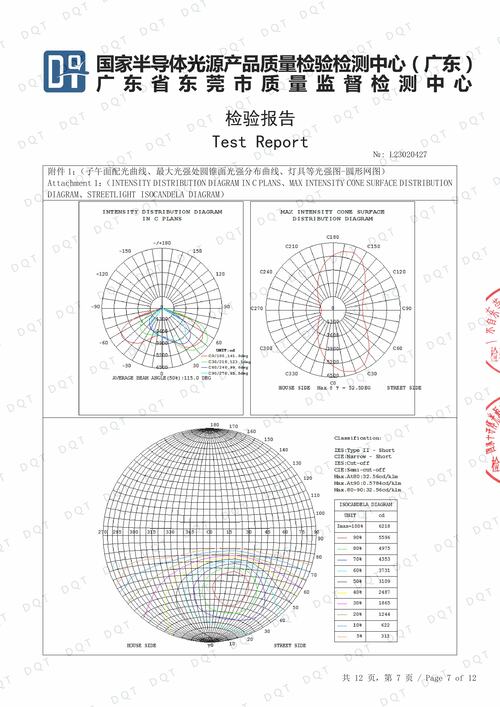
  • Uniformity: Eliminates dark spots with polarized light (Luminous intensity curve shows ≤1:3 max/min ratio).

  • Efficiency: 94% light transmittance via UV-resistant PC lens (Tested in Thailand parking lots project).

Chapter 9

What is the actual lumen decay rate after 5 years?

LM-80 test data confirms:

YearYH-100-MIndustry Average
197%93%
393%85%
588%75%
 

Key: Triple-coated LEDs + 4-layer PCB heat dissipation (Used in Mexico highways since 2019).

Chapter 10

How to troubleshoot "no light" issues?

  1. Check Connectors: Verify waterproof plugs (IP67) are fully seated.

  2. Indicator Lights:
    • Solid Red: Normal battery
    • Blinking Red: Over-discharge (Requires 5+ sun-hours to recover)

  3. Demo Mode: Press remote control to force 1-minute test (All models except YL series).

Chapter 11

What makes LiFePO4 batteries safer than lithium-ion?

FactorEnerlumen LiFePO4Standard Li-Ion
Thermal Runaway RiskNone (<60°C cutoff)High (≥80°C)
Cycle Life3,500+ cycles @90%1,000 cycles @80%
Toxic MaterialsNon-toxic phosphateCobalt oxide
 

Project Case: Australian farms use 1,920WH batteries since 2020 with zero failures.

Chapter 12

ROI Calculation for Township Road Projects (100 Lights)

Below chart is estimated data, for reference only.

Cost ComponentSolar Street LightsGrid-Powered LightsNotes
Initial Investment50,000( 50,000 (~500/light)30,000( 30,000 (~300/light)Solar: Includes panels, batteries, smart controller
Installation$10,000$15,000+Grid: Trenching, cabling, transformers add costs
Electricity Costs (10 yrs)$0~36,000(36,000 (30/light/month)Grid: Assumes $0.15/kWh, 8h nightly operation
Maintenance (10 yrs)$5,000 (battery replacements)$20,000 (bulb/wiring repairs)Solar: Batteries replaced once (~5-year lifespan)
Total 10-Year Cost$65,000$101,000+Grid costs vary by local tariffs
ROI Break-Even Point3–4 yearsN/A (Ongoing costs)Solar: Savings offset higher upfront costs by Year 4
CO₂ Savings (10 yrs)~120 tons0 tonsSolar: No grid dependency (~1 ton CO₂/light/decade)
 

Key Takeaways:

  1. Solar wins long-term: Higher initial cost but ~35% cheaper over 10 years.
  2. Grid risks: Vulnerable to tariff hikes and blackouts (e.g., 20% tariff rise adds $7,200+).
  3. Case Data: Nigerian township projects (2023) confirmed 4.2-year ROI for solar.

Chapter 13

Can panels be cleaned with tap water?

Yes, but with precautions:

  • Frequency: Every 6 months (Dusty areas like Middle East: 3 months).

  • Method: Soft cloth + mild soap (Avoid high-pressure sprays to prevent micro-cracks).

  • Performance Loss: 19% efficiency → 15% if uncleaned for 1 year (Sri Lanka seafront data).

Chapter 14

What wireless monitoring options exist?

Optional IoT Kit provides:

  • Real-Time Data: Voltage, charging status, faults via APP/PC.

  • Alerts: SMS for over-discharge or panel shading.

  • Case Study: Polish sports ground reduced maintenance visits by 70% using this.

Chapter 15

Why Choose Solar Street Lights for Off-Grid Areas?

Core Advantages:

BenefitTechnical & Operational Impact
Independence from GridEliminates reliance on unstable or non-existent power infrastructure.
Rapid DeploymentNo trenching or cabling required; installations completed in days.
Zero Electricity CostsSolar energy fully powers the system, removing ongoing utility expenses.
Low MaintenanceFewer moving parts and no wiring corrosion compared to grid-tied lights.
Modular ScalabilitySystems can be expanded incrementally based on budget or needs.
 

Key Technical Features:

  • Battery Longevity: LiFePO4 batteries support 3,000+ cycles.

  • Weather Resistance: Standard IP65/IP67 rating protects against dust and water ingress.

  • Smart Control Options: Optional motion sensors or dimming modes for energy efficiency.