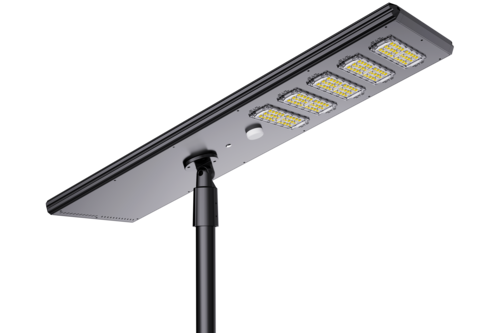
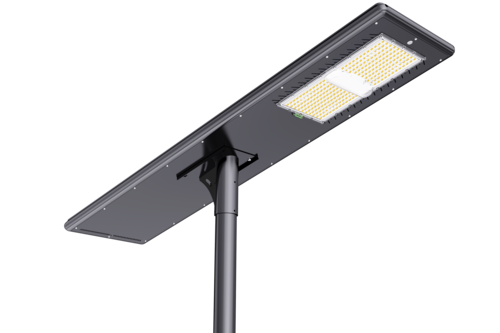
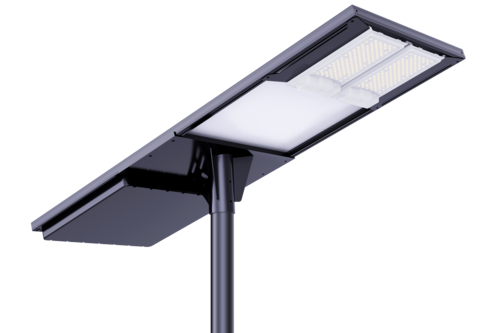
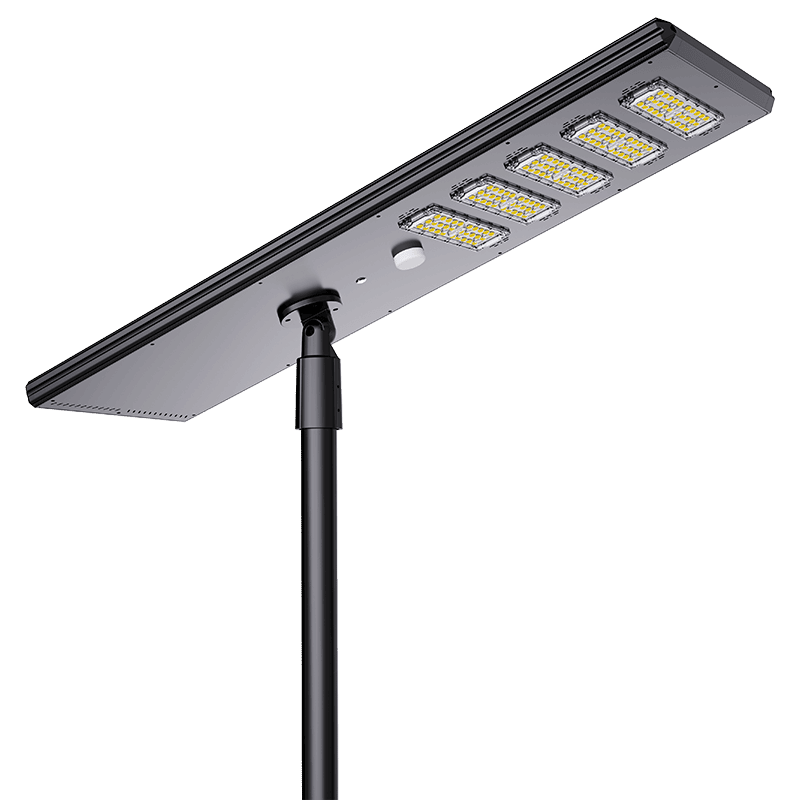
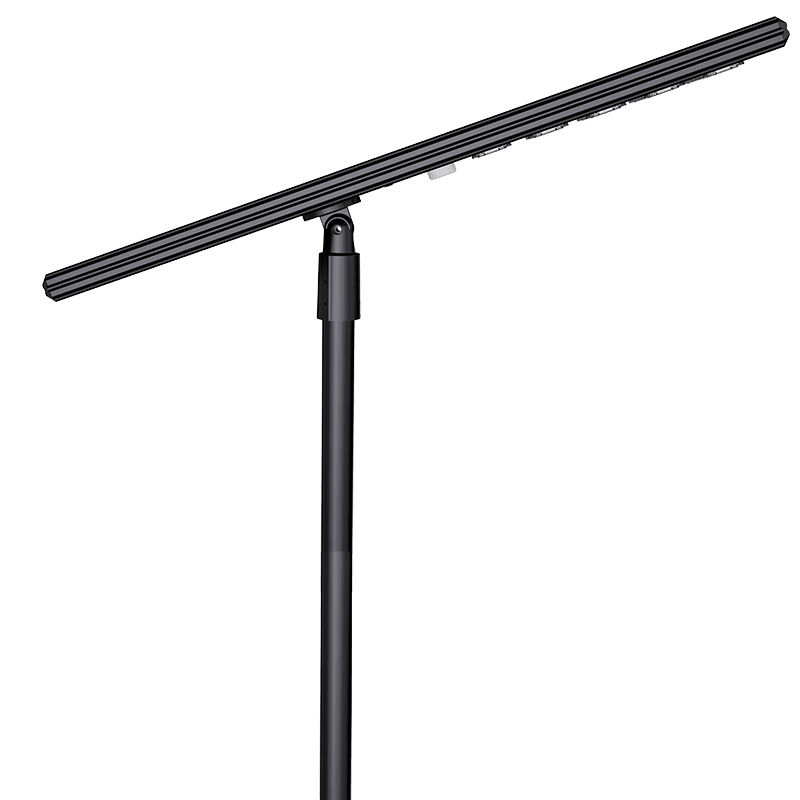
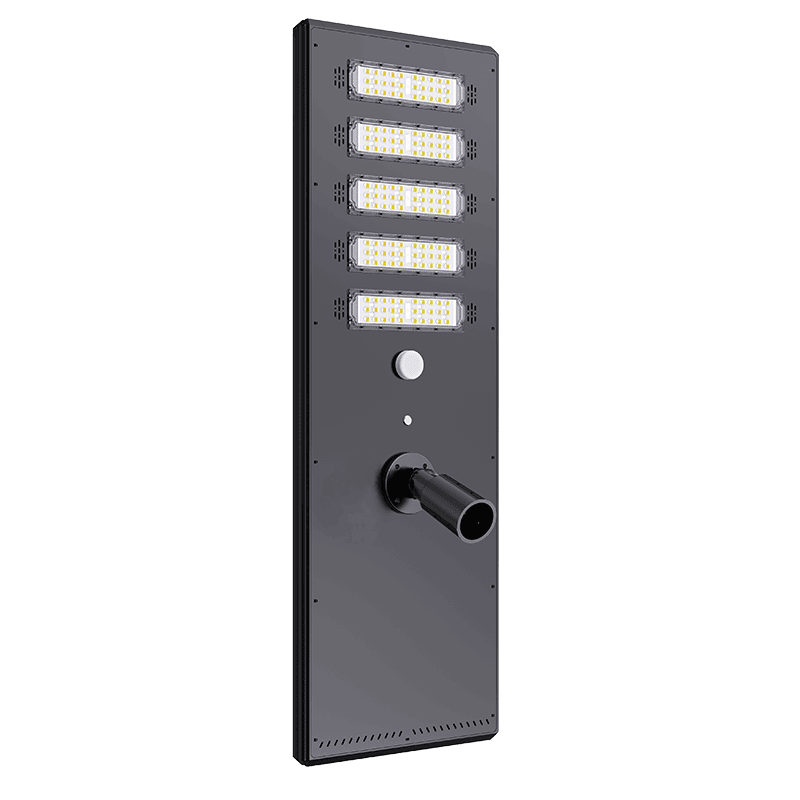
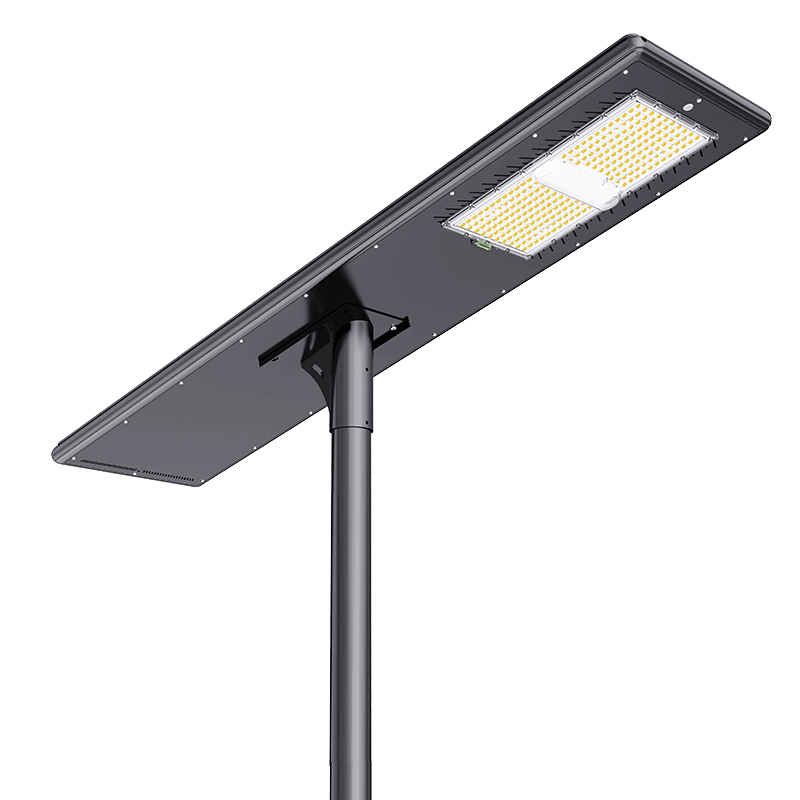
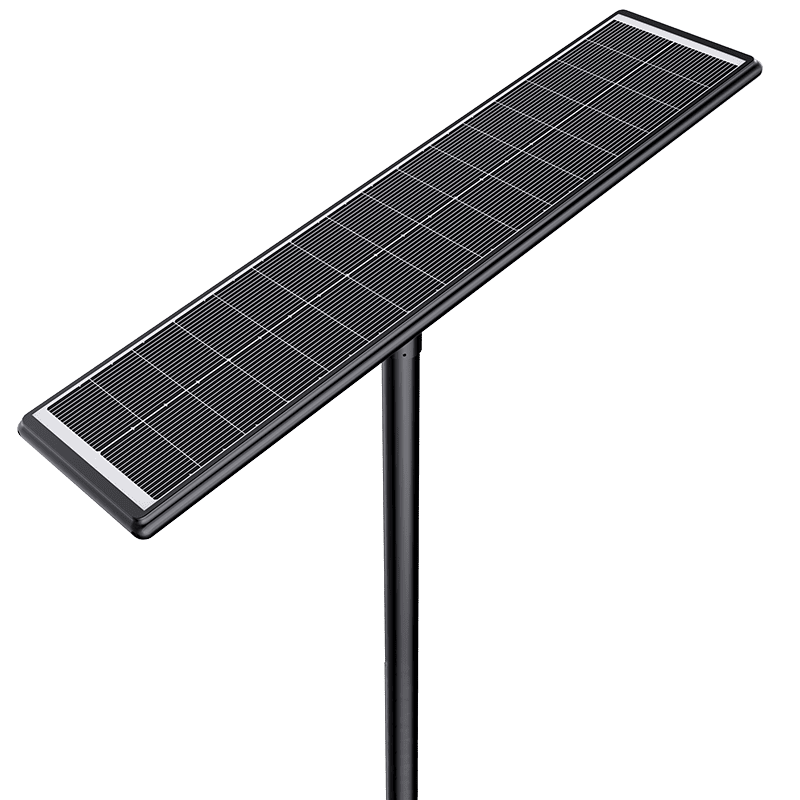
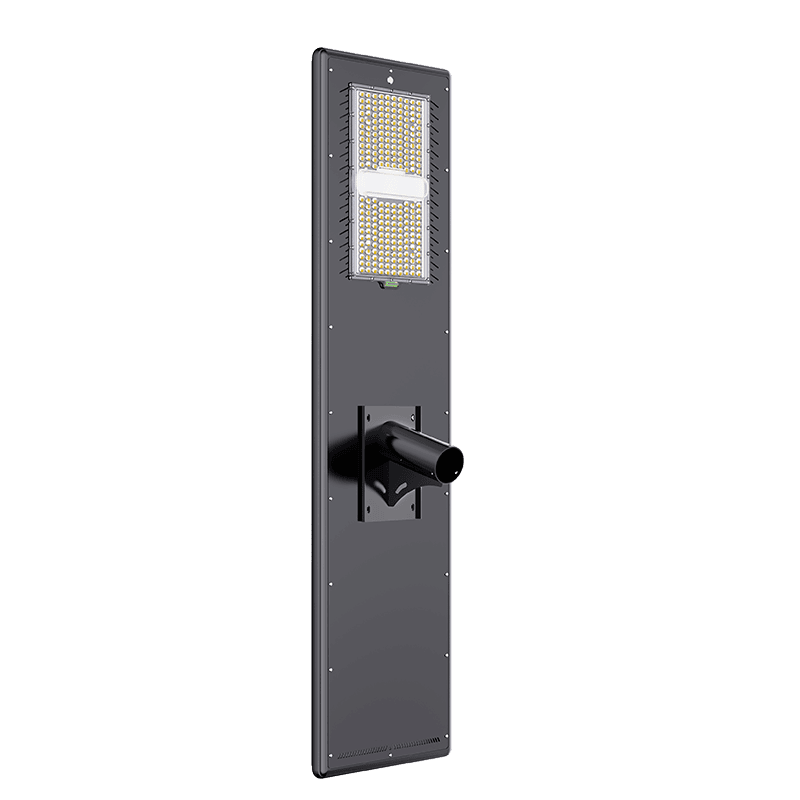
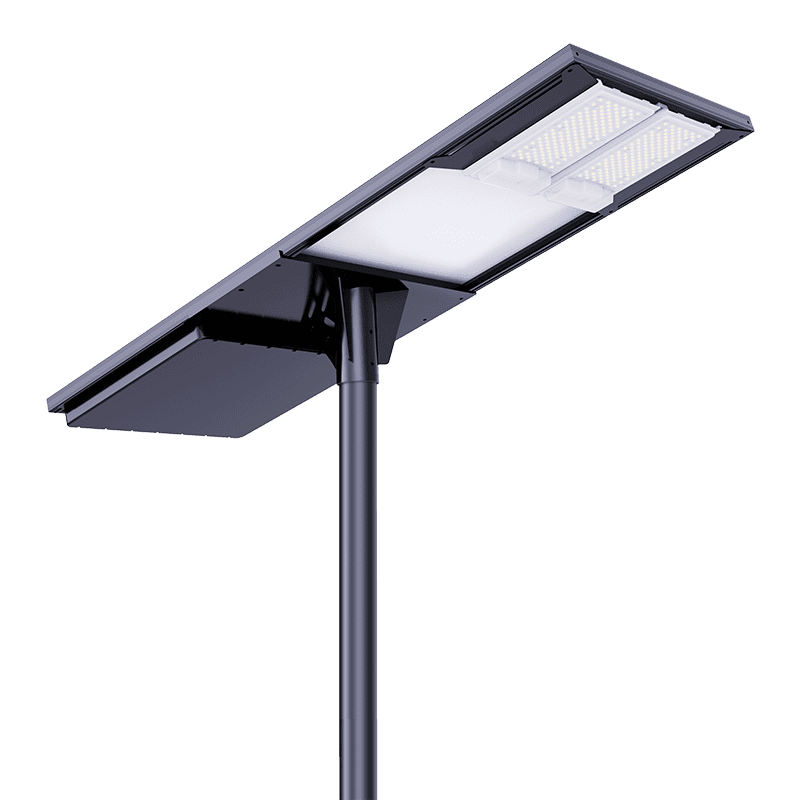
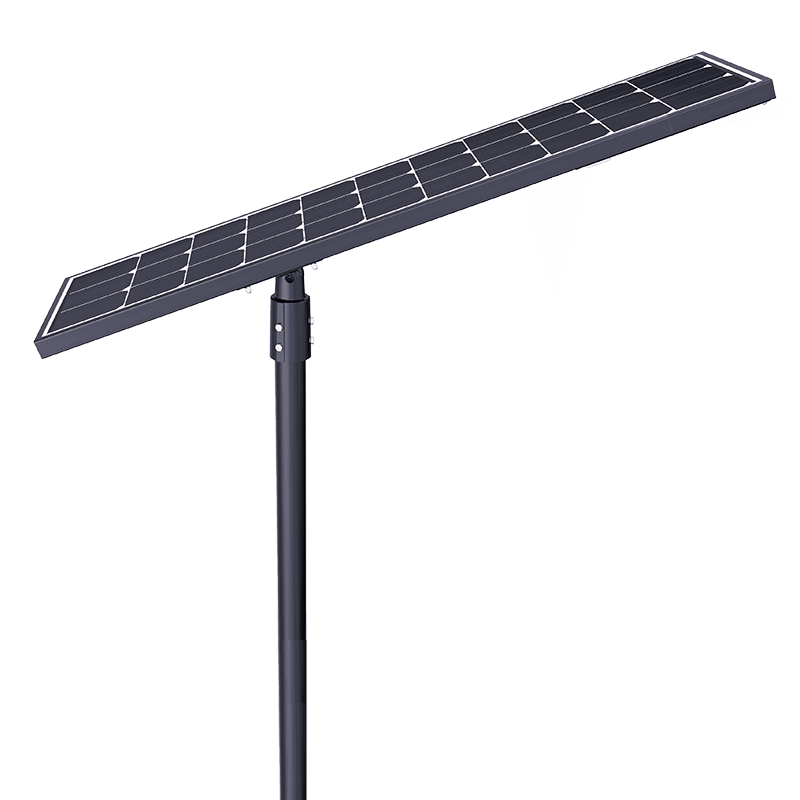
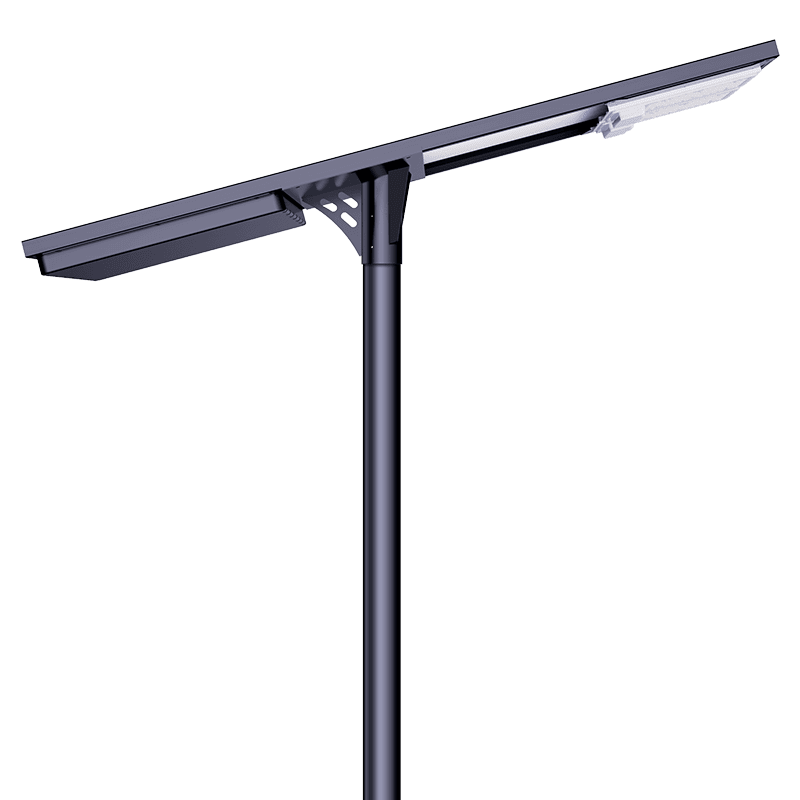
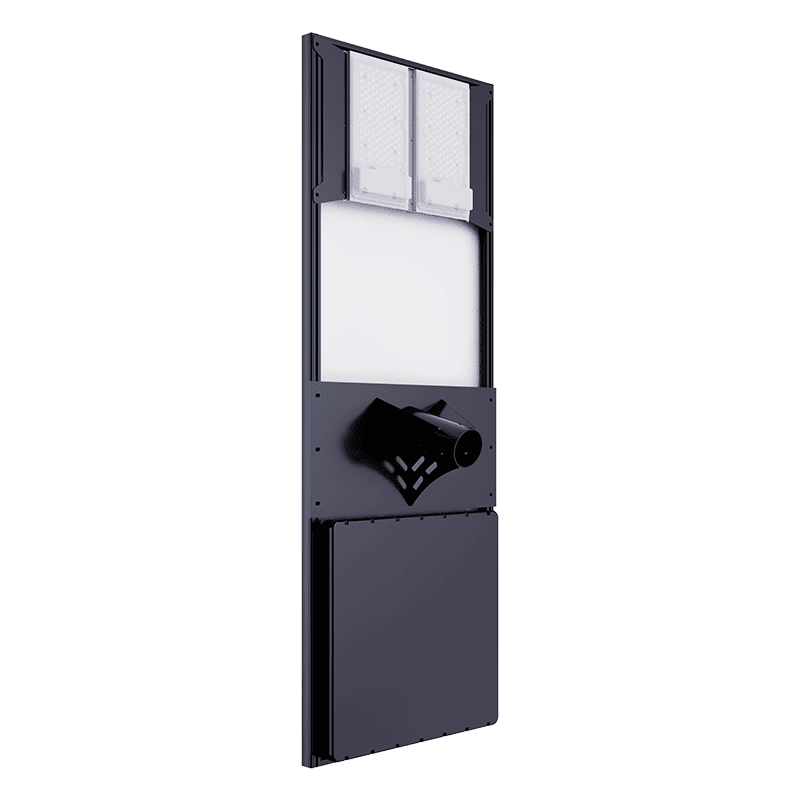
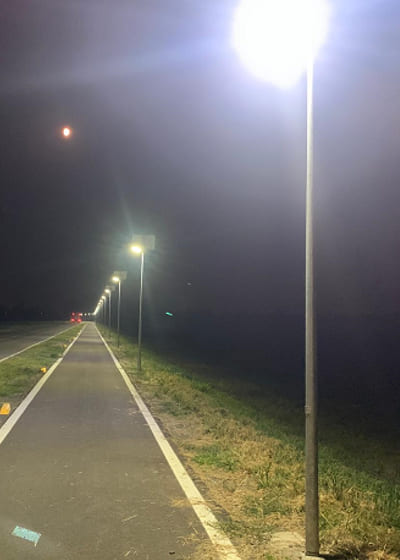
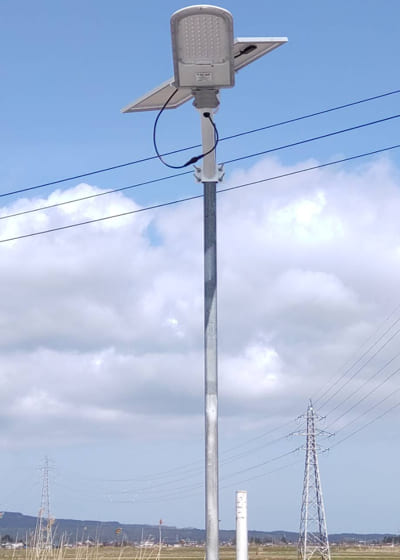
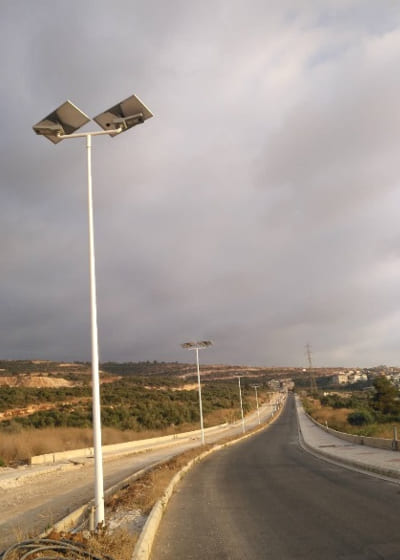
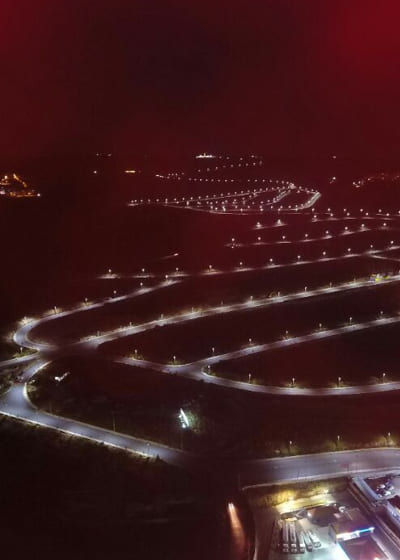
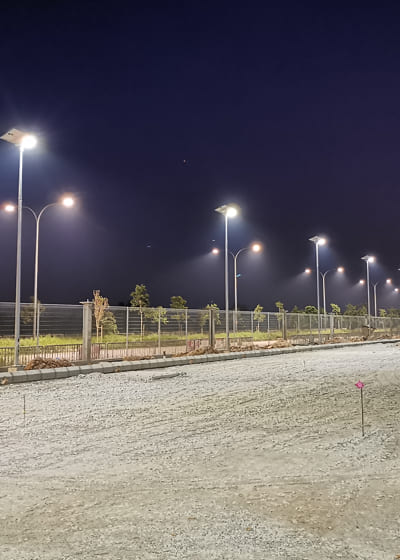
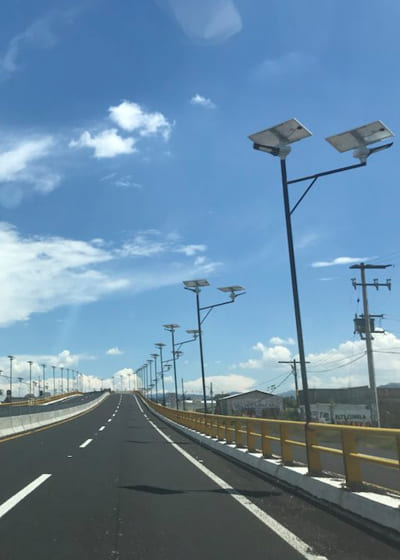
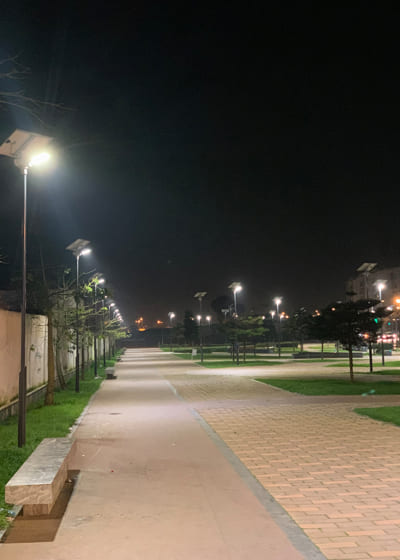
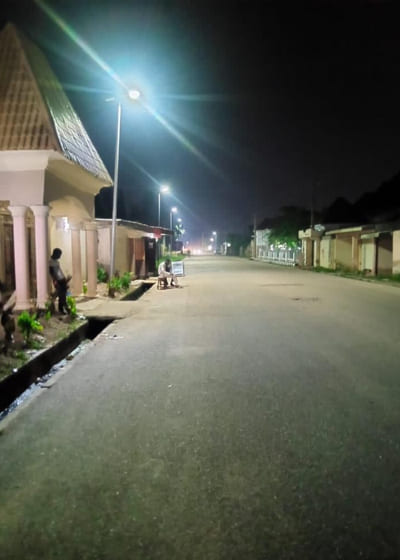
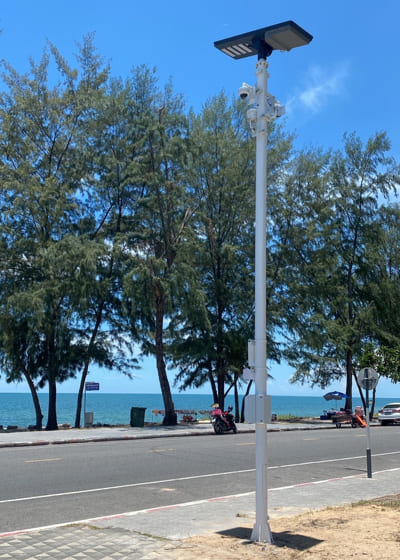
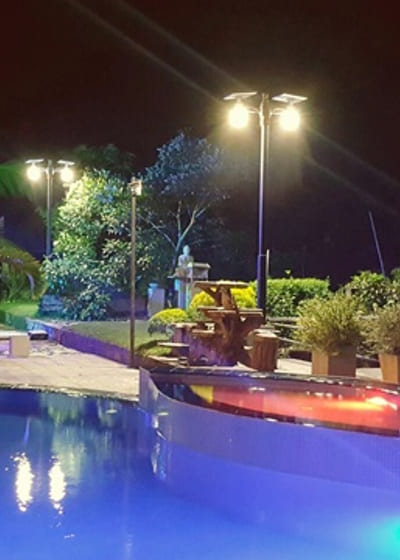
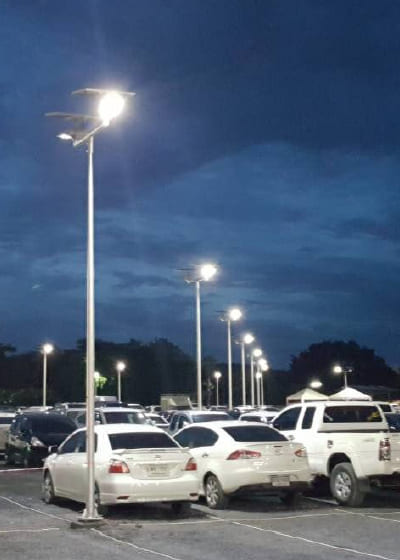
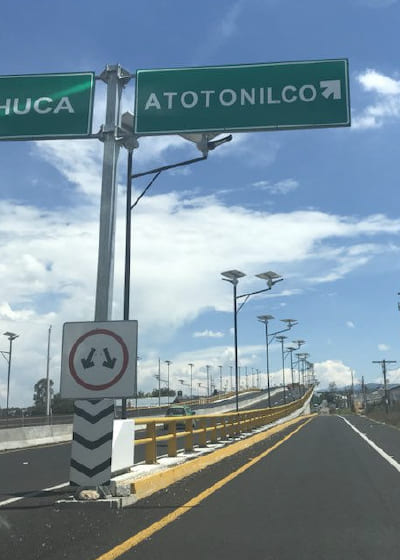
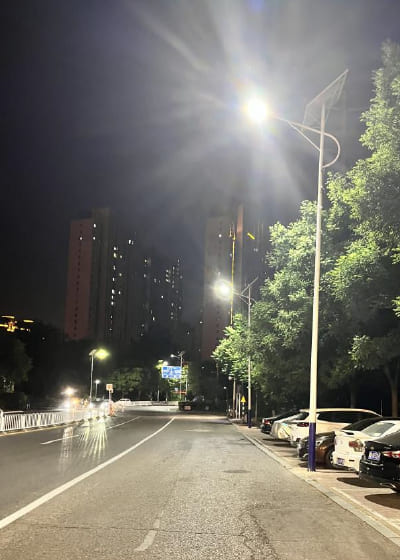
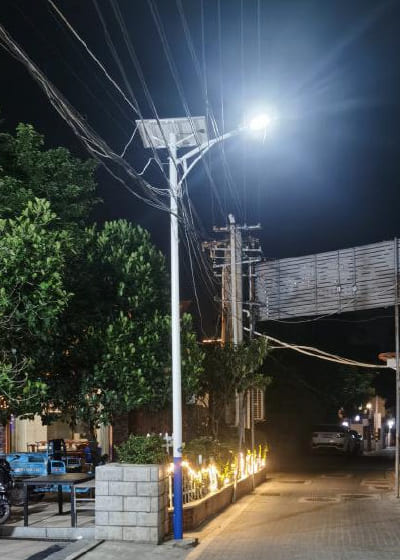
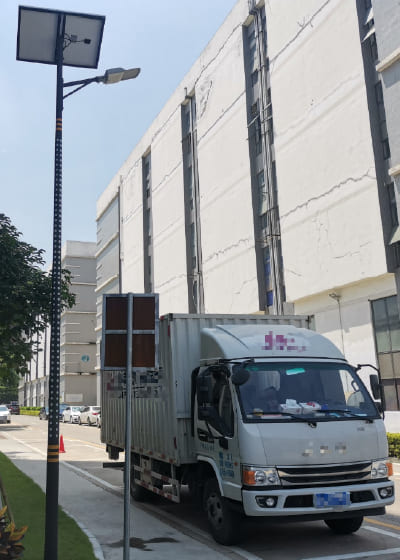
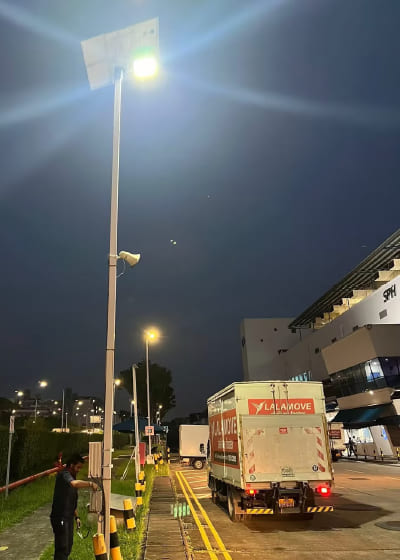
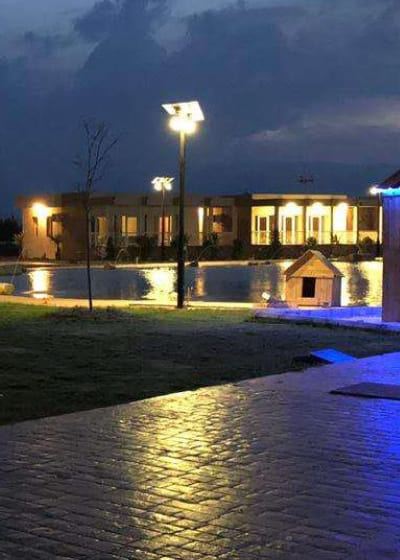
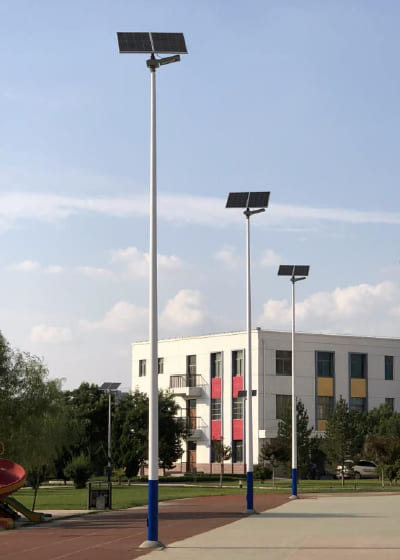
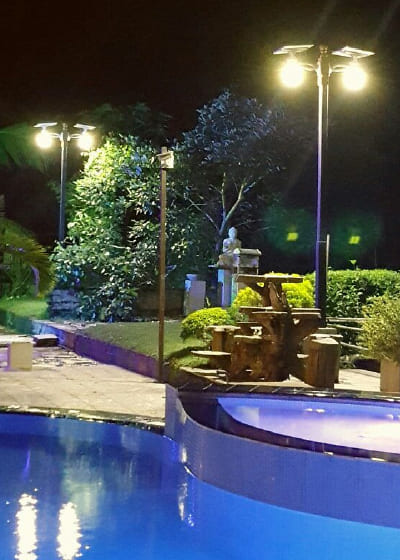
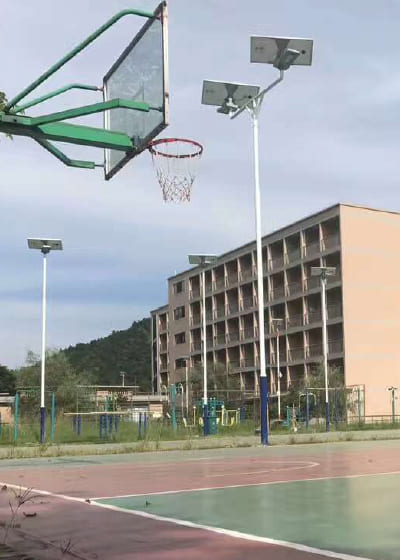
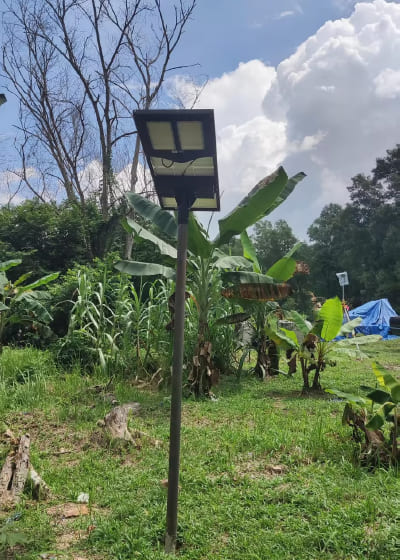
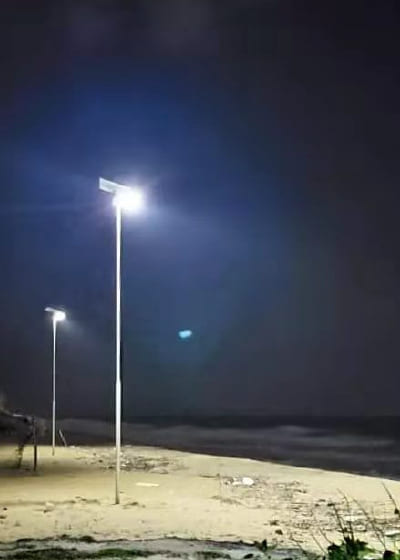
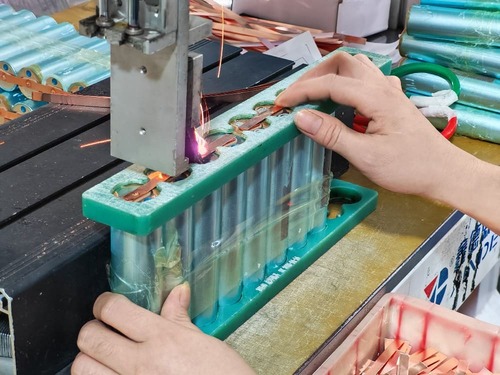
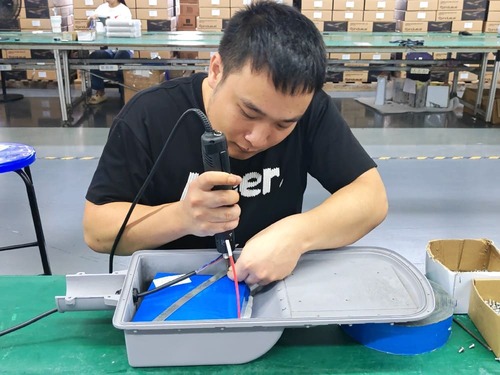







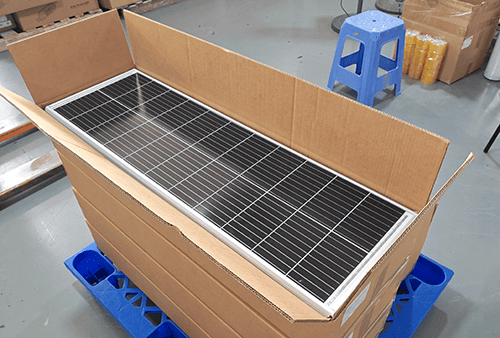
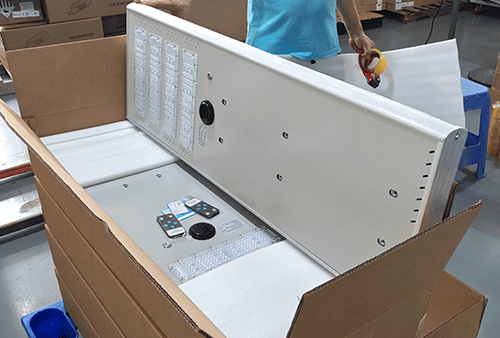
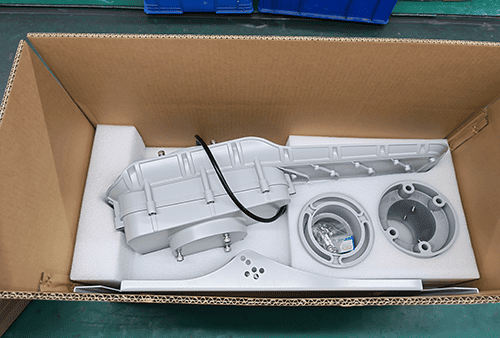
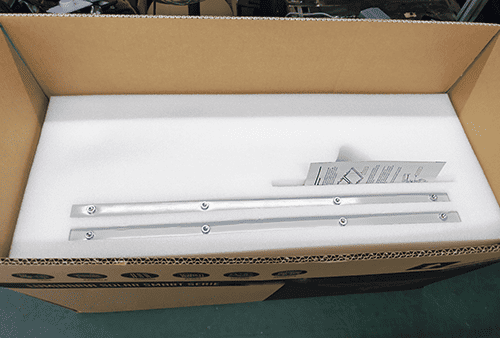






All-in-One LED Solar Street Lights
Your Trusted Supplier of All-in-One LED Solar Street Lights
For project contractors, importers, and brands, we deliver high-performance, all-in-one solar street lights built on rigorous design, in-house component R&D (solar panels, batteries, LED modules), and strict production quality control. Our products are durable, long-lasting, and field-proven in diverse climates and applications—from highways and urban streets to off-grid rural installations.
Backed by thousands of satisfied clients, our lights ensure stable performance (5,000+ sun-hour cycles, LiFePO₄ battery lifespan >8 years, 50,000-hour LED longevity). We offer customizable solutions (wattage, smart controls, pole designs) to match your project’s exact needs, whether for large-scale municipal tenders or private developments.
Choose reliability. Partner with a supplier that prioritizes quality, real-world durability, and total cost savings. Contact us for technical datasheets, case studies, or samples—let’s power your projects with trusted solar lighting.
Fast Comparison of Best-Selling Items

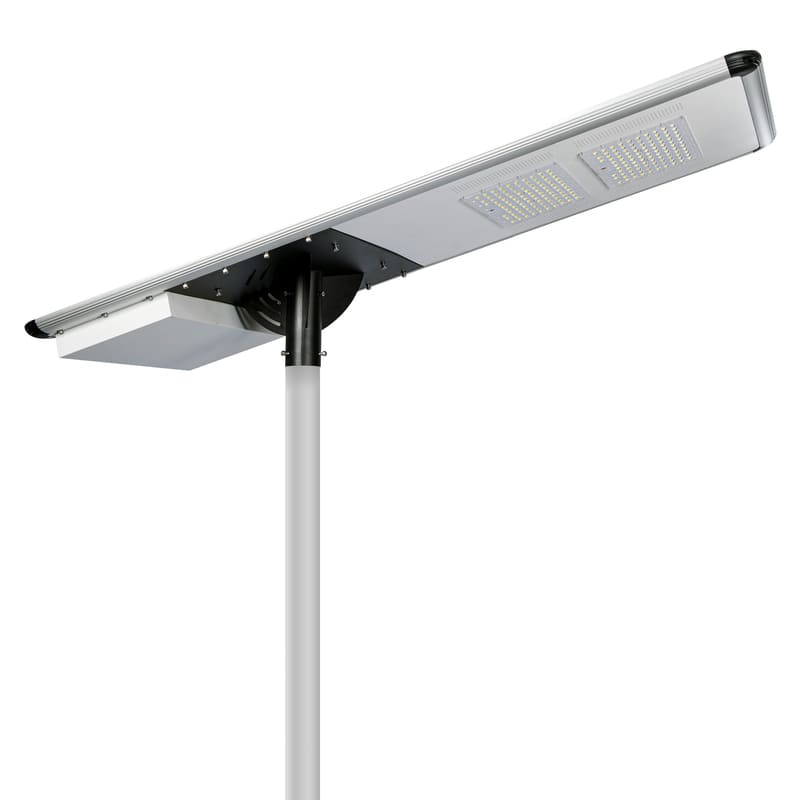
ModuLight - RSA
“Modular solar streetlights for smart urban lighting and easy maintenance.”
Solar panel 60W–160W
Battery 240-832WH
Brightness 5,100–18,000LM
Installation height 6–12m
-Urban roads & city plazas
-Commercial districts & pedestrian zones
-Campus pathways & institutional areas

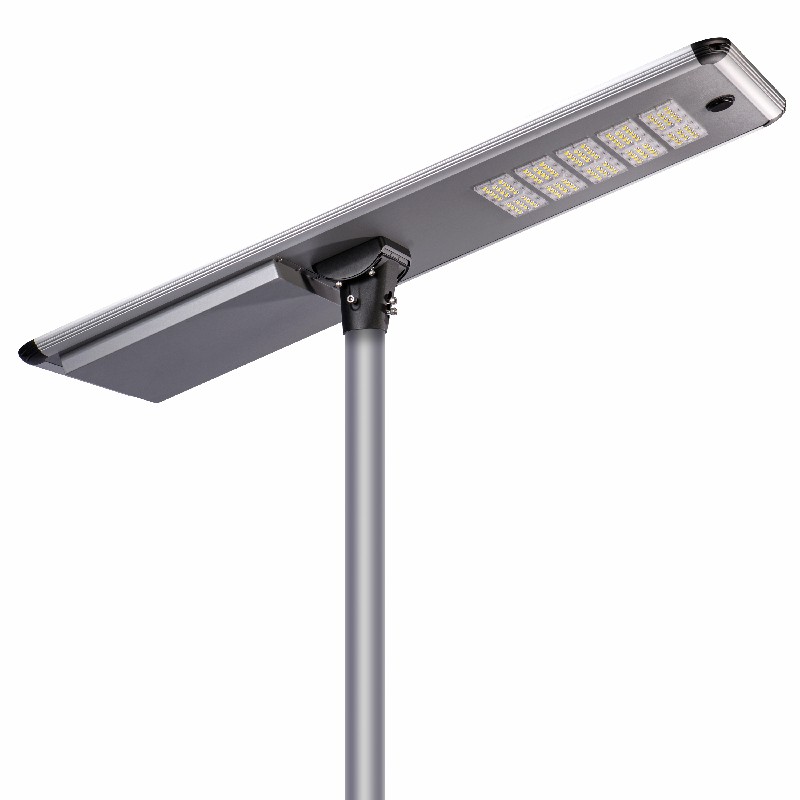
NovaPact - RSK
“Sleek solar-integrated lights blending into modern residential spaces.”
Solar panel 42W–120W
Battery 144-640WH
Brightness 4,000–15,000LM
Installation height 4-10m
-Residential communities & garden paths-
-Parks & recreational areas
-Hotel grounds & boutique developments

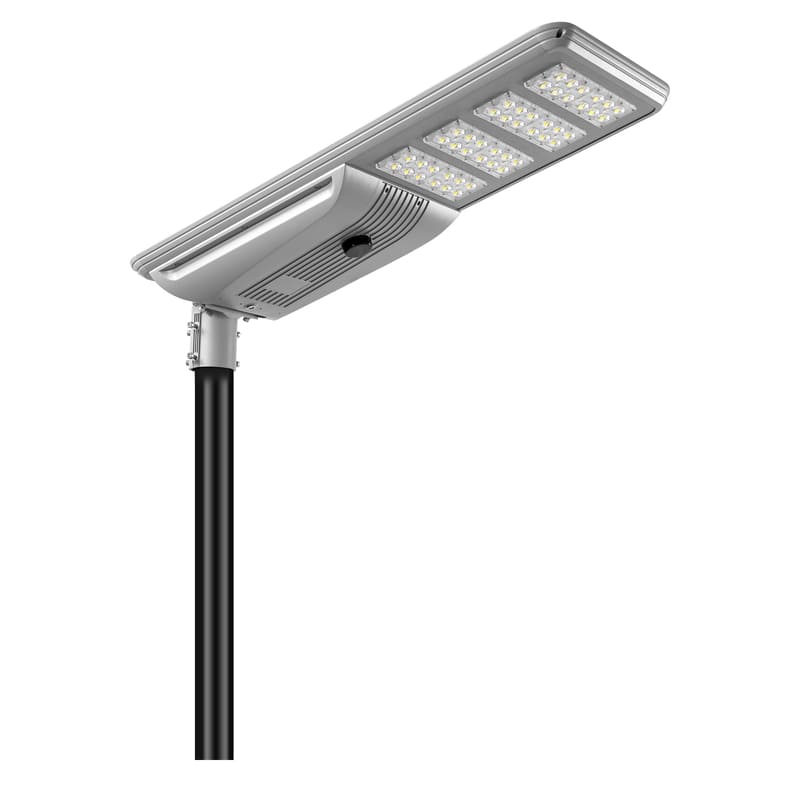
CoolMax - ST2
“High-power solar lights with active cooling for demanding areas.”
Solar panel 60W–260W
Battery 240-1920WH
Brightness 6,000–25,000LM
Installation height 6-15m
-Highways & major arterial roads
-Industrial zones & logistics parks
-Large squares & transportation hubs


ModuLight - RSA
The ModuLight series offers modular solar street lighting for urban environments, combining smart efficiency with hassle-free maintenance. Its adaptable design ensures optimal illumination across various city landscapes while keeping sustainability in focus.
Key Features:
- Modular design – Easy to maintain and customize for different urban lighting needs.
- Smart energy efficiency – Intelligent control systems to maximize battery and solar performance.
- Robust construction – Weather-resistant and durable for long-term urban deployment.
- Even light distribution – Uniform brightness for safer and more reliable nighttime visibility.
- Quick installation – Simplified setup for reduced labor and operational costs.
NovaPact - RSK
NovaPact delivers seamlessly integrated solar lighting with sleek aesthetics, enhancing residential and commercial spaces. Its compact yet powerful design blends effortlessly into modern environments while providing dependable illumination.
Key Features:
- Seamless integration – Stylish, all-in-one design for harmonious placement in upscale areas.
- Quiet operation – No noisy cooling fans, ensuring silent and unobtrusive performance.
- High energy efficiency – Optimized solar absorption for extended nighttime runtime.
- Eco-friendly lighting – Sustainable solution with minimal carbon footprint.
- Easy deployment – Plug-and-play setup for hassle-free residential and commercial use.


CoolMax - ST2
Engineered for high-demand environments, CoolMax features active cooling and superior power output, making it ideal for highways, industrial zones, and large-scale applications.
Key Features:
- Active cooling system – Ensures stable performance in extreme temperatures.
- Ultra-high brightness – Powerful illumination for large-scale and high-traffic areas.
- Heavy-duty build – Reinforced construction to withstand harsh outdoor conditions.
- Extended battery life – High-capacity storage for prolonged operation in low-light seasons.
- Smart dimming control – Adaptive brightness for energy savings without compromising safety.
Key Technologies that Set Us Apart
High-Efficiency Solar Panel
EV-Grade Battery
Raliable Solar Controller
Overheat Protection
Less Maintenance Battery Solution
Shadow-Proof Charging
Steady All Night
AI Weather Forecast
Deep Sleep for Storage
Remote Control
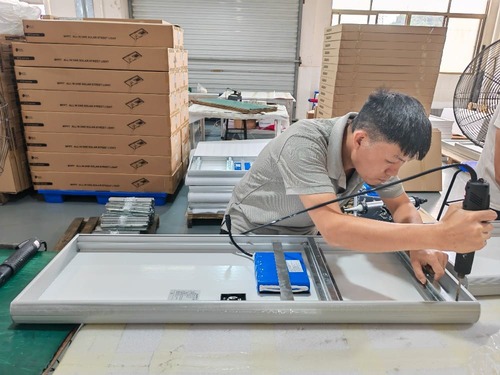
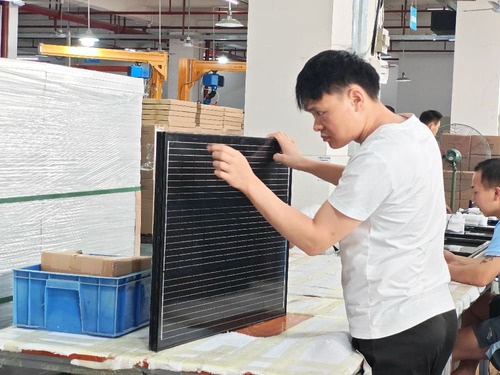
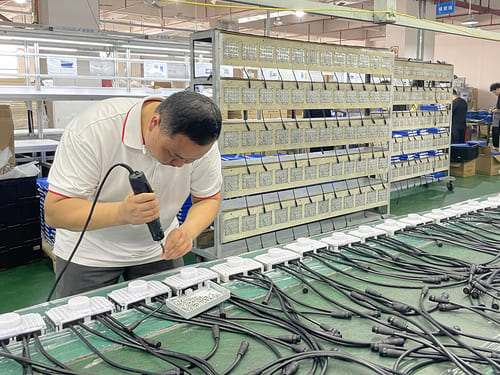
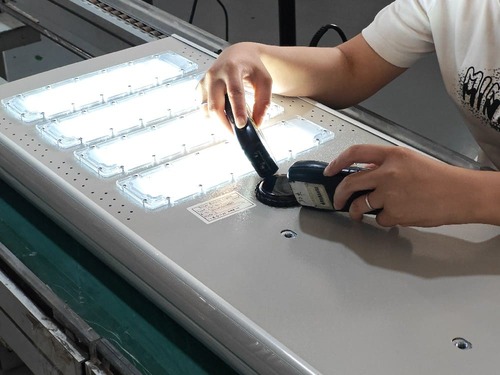
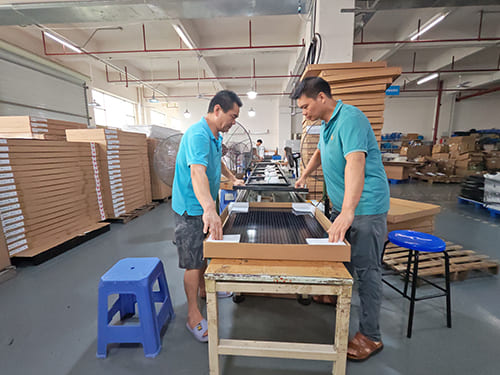
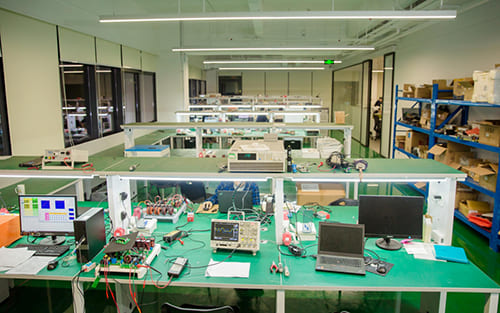
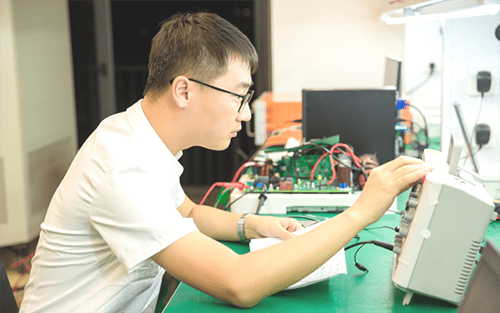
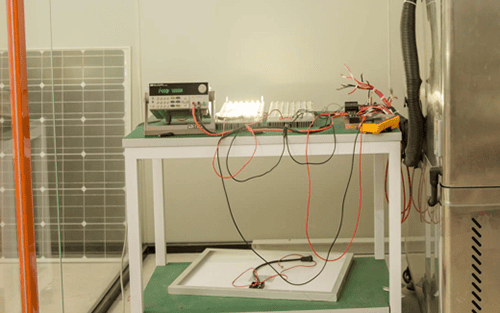
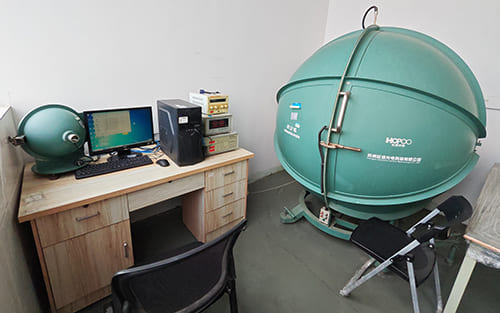
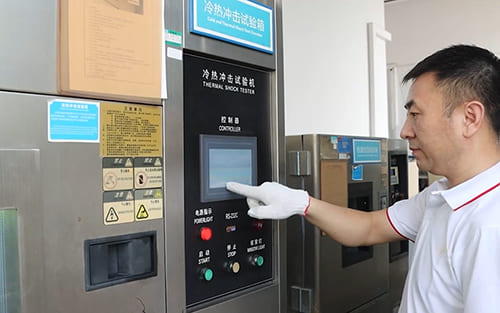
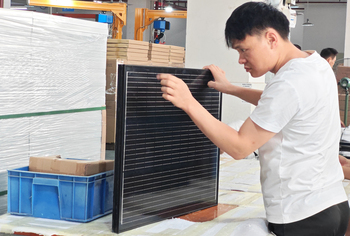
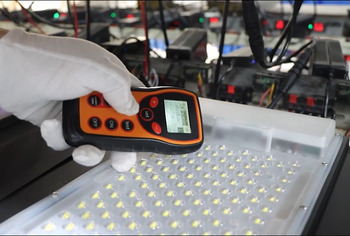
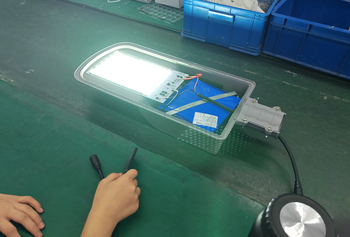
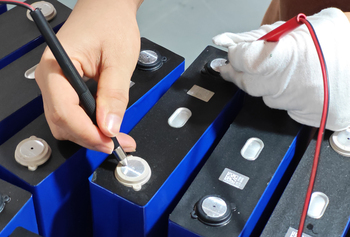
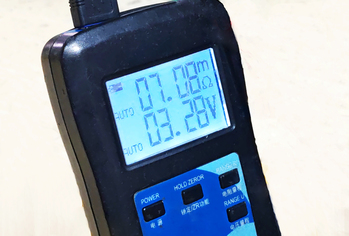
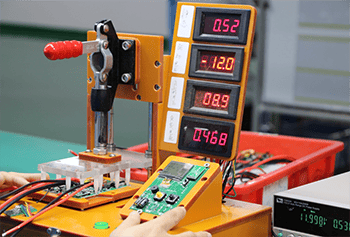
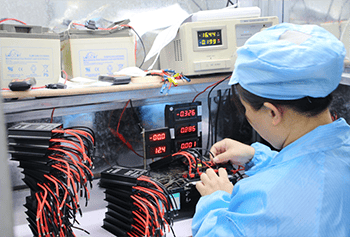
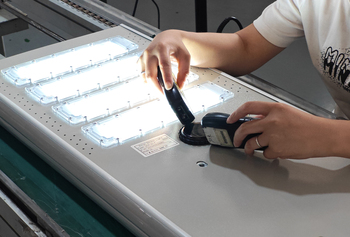
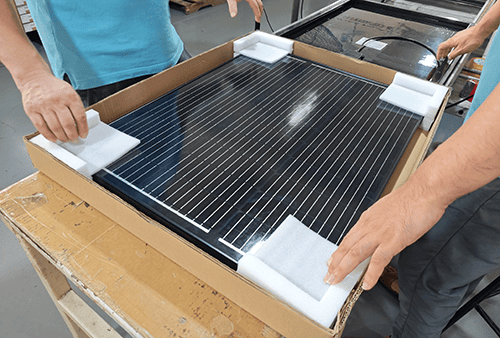
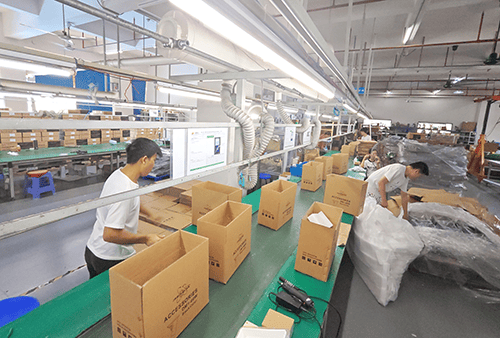
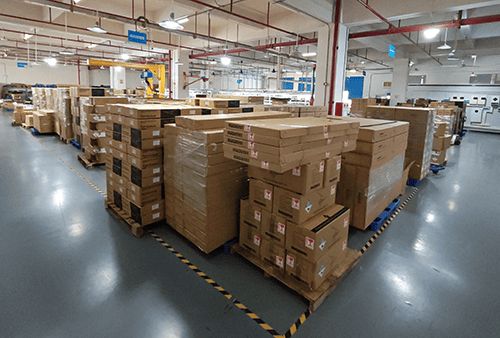
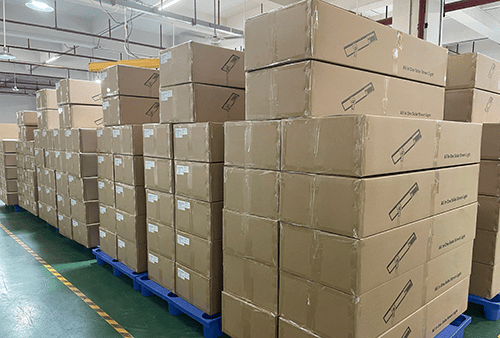
Production Facilities
Quick Facts: All-in-One Solar Street Light
[ All-in-One Solar Street Light —— Intelligent Integrated Solar Street Light ]
Integrated High-Efficiency Design
Combines solar panel, lithium battery, LED lamp, and intelligent controller into one, no complex wiring required, plug and play.
Instant Lighting, Suitable for Areas Without Electricity
No Grid Support Required — suitable for remote areas, outdoor operations, border patrols, and other areas lacking electricity
30-Minute Quick Installation — can be completed by one person, eliminating the need for electricians, cranes, and other extra costs
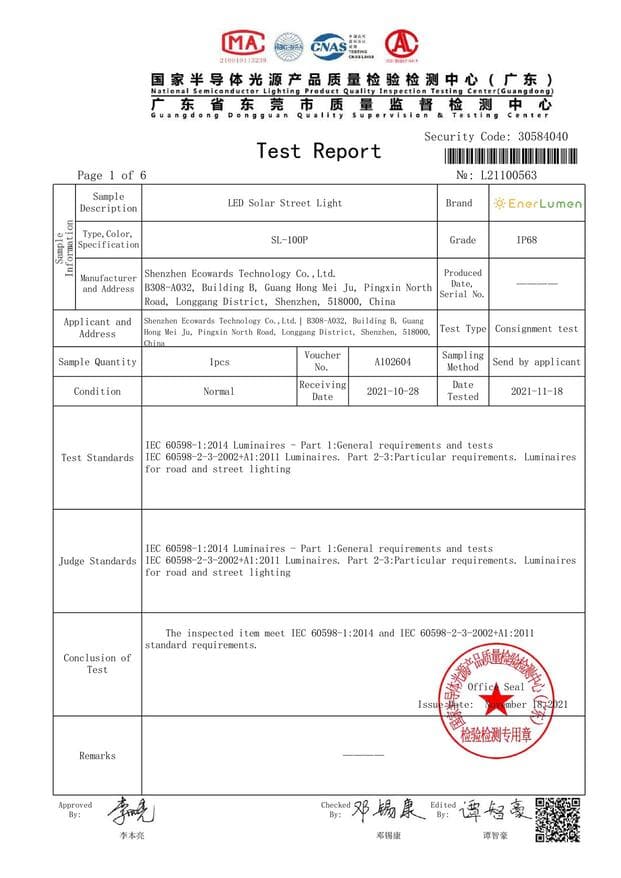
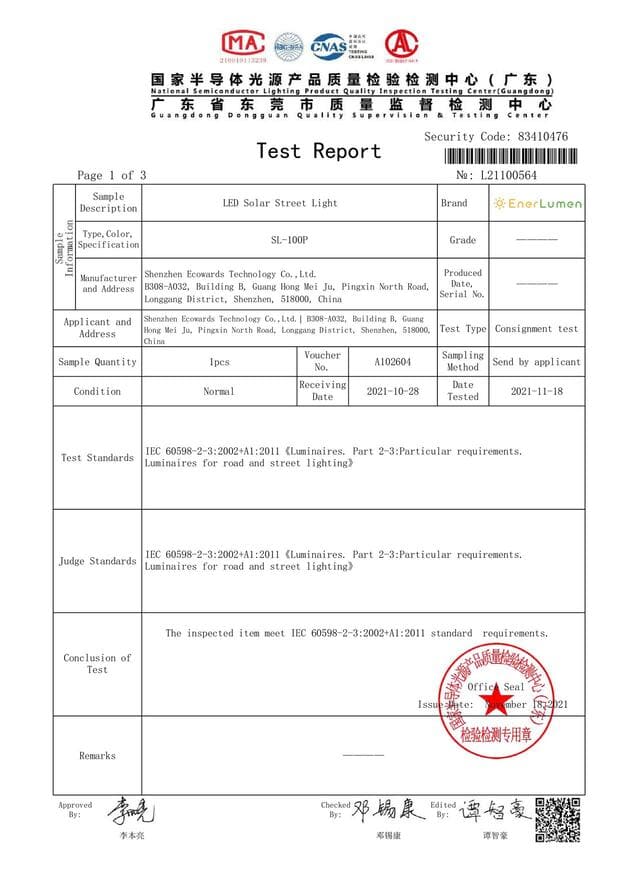
Military-Grade Protection — stable operation in extreme environments from -30°C to 60°C, resistant to wind, sand, and corrosion
Intelligent Energy Saving, Ultra-Long Standby
Large-Capacity Lithium Iron Phosphate Battery (10-year attenuation ≤20%)
72-Hour Rainy Day Standby (ordinary street lights only 48 hours)
Intelligent Light Control + Human Body Induction, adjusts brightness as needed, improving energy utilization rate
Wide Range of Application Scenarios
Municipal Roads | Industrial Parks (save 60% of electricity bills)
Oil Fields and Mines | Critical Infrastructure (first choice for areas without grid electricity)
Island Ports | Emergency Rescue (typhoon-resistant, salt spray-resistant)
Convenient Transportation, Simple Maintenance
Compared to traditional split-type solar street lights, volume reduced by 50%, lower shipping costs, and no wiring maintenance required for life.
Differences: All-in-One & Split Mount Solar Lights
| Comparison Item | All-in-One Solar Street Light | Split Mount Solar Street Light |
|---|---|---|
| Product Structure | Integrated design, solar panel + battery + LED light integrated, compact structure | Split structure, solar panel, battery, and lamp head need to be installed separately |
| Solar Panel | High-efficiency monocrystalline silicon/PERC technology, 180W-300W optional, photoelectric conversion efficiency ≥ 23%, IP67 waterproof | Most use ordinary polycrystalline silicon panels, low efficiency (18%-20%), easy to accumulate dust and affect performance |
| Installation Convenience | ⚡ 1 person completes in 30 minutes, only need one lamp pole + standard screws ⚡ No extra accessories | 🔧 Need cables, brackets, and wiring boxes, 2 people + 2 hours, professional electricians wiring |
| Transportation Cost | 📦 Small volume (whole machine ≤ 0.3m³), 40HQ container can load 800-1200 units | 🚛 Components are scattered, same volume can only load 400-600 sets |
The Complete Buyer's Guide to All-in-One Solar Street Lights
Your Roadmap to Smarter Outdoor Lighting Decisions
If you’re evaluating solar street lights for municipal or commercial projects, this guide cuts through the noise. We’ve distilled 15 years of manufacturing experience into clear, actionable insights – no engineering degree required.
Unlike generic product catalogs, we focus specifically on what matters during procurement:
✔️ Real-world performance metrics (no inflated specs)
✔️ Total cost analysis over 10+ years
✔️ Customization options competitors won’t mention
✔️ Behind-the-scenes quality controls
✔️ Practical installation considerations
Table of Contents
Chapter 1
How All-in-One Designs Outperform Traditional Solar Lights
The wiring headache solved
Traditional solar lights require separate installation of panels, batteries, and fixtures – meaning multiple mounting points and cable routing. Our integrated design combines everything into a single unit. One pole, one connection, done. Field tests show 75% faster installation compared to split systems.
Maintenance made simple
With components housed together, technicians don’t need to:
• Climb poles to check panel connections
• Locate buried battery boxes
• Troubleshoot lengthy cable runs
One access panel provides service entry to all critical parts.
Smart performance advantages
The unified design enables features split systems can’t match:
• Automatic tilt adjustment (panels self-adjust for optimal sun capture)
• Integrated temperature control (prevents battery overheating)
• Coordinated dimming (LEDs and battery communicate seamlessly)
Chapter 2
Municipal Projects: Calculating True Lifetime Costs
Understanding the Full Financial Picture
When evaluating solar street lights versus traditional grid-powered lights, many procurement teams focus only on upfront costs. Here’s why the lifetime cost analysis paints a different picture:
1. Upfront Cost Breakdown
| Cost Factor | Traditional Grid Light | Solar Street Light | Comments |
|---|---|---|---|
| Fixture (60W LED) | 300–300 – 300–500 | 900–900 – 900–1,200 | Higher initial cost for solar |
| Pole & Installation | 200–200 – 200–400 | 200–200 – 200–400 | Similar for both |
| Grid Connection Costs | 1,000–1,000 – 1,000–3,000 per light | $0 | Trenching, transformers, permits add up |
| Total (Per Light) | 1,500–1,500 – 1,500–3,900 | 1,100–1,100 – 1,100–1,600 | Solar avoids grid infrastructure expenses |
Key Takeaway: While the solar fixture itself costs more, eliminating trenching, electrical work, and transformers can actually reduce initial expenses in many projects.
2. 10-Year Operating Cost Comparison
Electricity & Maintenance Costs
(Assumptions: $0.12/kWh electricity, 12h nightly operation, 60W equivalent brightness)
| Cost Factor | Traditional Light (10 Years) | Solar Light (10 Years) | Notes |
|---|---|---|---|
| Electricity | $1,044 | $0 | Solar = zero energy bills |
| Bulb Replacements | $240 (3 changes) | $0 (no bulb swap needed) | Quality LEDs last 50,000+ hours |
| Battery Replacement | N/A | $150 (optional) | LiFePO4 lasts 8-12 years |
| Maintenance Labor | $600 (wiring inspections) | $50 (panel cleaning) | Solar eliminates most wiring issues |
| Total Operating Costs | $1,884 | $200 (max) | Solar saves $1,684 per light |
Real-World Example:
A 500-light municipal project would save $842,000 in operating costs over 10 years with solar.
3. Hidden Savings & Flexibility
A) Grid Power Risks
- Electricity price hikes (average 4.3%/year increase in utility rates)
- Demand charges for commercial users (solar avoids these fees completely)
B) Carbon Offset Value
- Many governments offer incentives for clean energy projects (typically 20–20–20–40 per ton CO2 saved)
- A 500-solar-light installation can generate 12,000–12,000–12,000–18,000 in carbon credits over a decade.
C) Budget & Scalability
- Solar allows phased installations—no need to fund the entire grid connection upfront.
- Future expansions avoid costly infrastructure upgrades.
Conclusion: When Does Solar Win?
- Remote Locations (where trenching costs exceed $150/meter) → Immediate savings
- High Electricity Rates ($0.15+/kWh) → Payback in <4 years
- Sustainability-Driven Projects (carbon targets, green bonds) → Added incentives
Next Step: Share your local electricity rates and project size for a customized payback analysis.
Chapter 3
Next-Gen Battery Technology for Fail-Safe Solar Street Lighting
Breaking Down the Battery Tech That Outperforms the Competition
Q: What makes EnerLumen’s LiFePO4 battery system more reliable than conventional solar street light batteries?
A: Most off-grid solar lights rely on outdated lead-acid or low-quality lithium batteries, leading to frequent failures. EnerLumen’s patented 3.2V LiFePO4 battery system with AI-powered energy management solves these issues with five industry-leading innovations:
Core Battery Advantages
1. Single-Cell 3.2V Architecture (vs. 12V/24V Multi-Cell Systems)
- Problem with conventional batteries: If one cell in a 12V/4-cell battery fails, the entire pack degrades faster.
- EnerLumen’s solution: Independent 3.2V single-cell management ensures that even if one cell underperforms, the remaining cells continue functioning.
- Result: 75% fewer battery failures compared to multi-cell designs.
2. Intelligent Charge-Discharge (ICD) Technology
- Industry standard: Most LiFePO4 batteries lose 20–30% capacity after 1,000 cycles.
- EnerLumen’s breakthrough: Proprietary current equalization & dual-protection software delivers:
- 2,000+ full charge cycles before dropping to 80% capacity (vs. 500–1,000 cycles for lead-acid).
- Zero risk of overcharging or deep discharge (prevents swelling or fire hazards).
3. Precision Energy Management (IPC 5.0 & Multi-Peak MPPT)
- Typical solar controllers waste 15–20% of energy due to inefficient tracking (shading, dust).
- EnerLumen’s AI-enhanced controller:
- Adjusts power flow in real-time based on weather predictions & historical data.
- Maintains constant light output, even when battery voltage drops.
Key Questions Engineers & Buyers Ask About Battery Reliability
Q1: How does the 3.2V system impact battery lifespan?
- Traditional 12V/24V batteries fail faster because weak cells drag down performance.
- EnerLumen’s 3.2V system avoids this imbalance, extending lifespan 3× longer (verified in 4-year field tests in desert & coastal environments).
Q2: What happens in extreme temperatures?
- Competitor Limitation: Many LiFePO4 batteries suffer in cold (<0°C) or hot (>45°C) climates.
- EnerLumen Innovation:
- Built-in thermal sensors adjust charging to prevent damage.
- No forced temperature claims – instead, our IPC 5.0 algorithm optimizes charging cycles for local conditions.
Q3: How does EnerLumen guarantee no swelling or fires?
- Standard lithium batteries need external BMS (Battery Management System) protection.
- EnerLumen’s dual protection:
- Hardware safeguards (overvoltage/current cutoffs).
- AI-driven software that adjusts charging per cell.
- Result: Zero reported swelling/fire cases in 8+ years of deployments.
True Cost Savings Over 10 Years
| Cost Factor | Traditional Lead-Acid | EnerLumen LiFePO4 |
|---|---|---|
| Battery Replacements | 3–4 times (600–600–600–800) | 0 replacements (single 10-year lifespan) |
| Maintenance Labor | 150–150–150–300/year (cleaning, testing) | Self-monitoring – zero labor costs |
| Energy Waste | 15–20% lost to inefficient charging | 5% max loss (MPPT + IPC 5.0) |
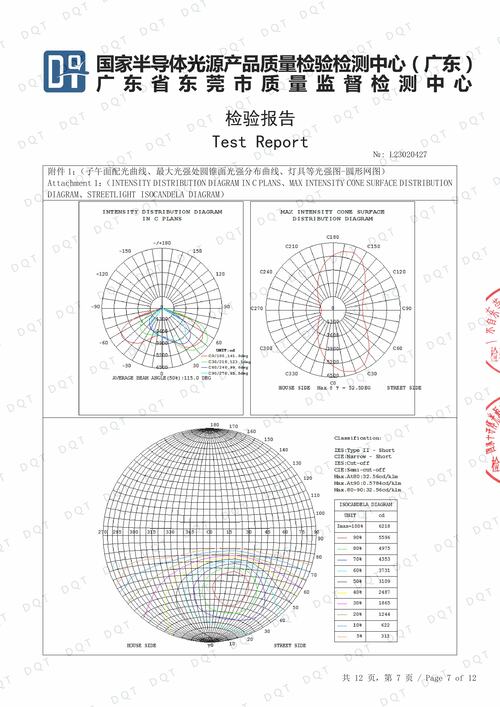
| Total Savings | $1,200+ per light | $0 additional costs |
Why This Matters for Municipal & Commercial Projects
✔ No unexpected failures – single-cell design prevents chain-reaction breakdowns.
✔ Self-regulating – adapts to dust, shade, and weather changes without manual adjustments.
✔ Carbon & cost savings – eliminates tons of lead-acid waste & frequent truck rolls for maintenance.
Next Steps for Buyers:
- Request cycle-test reports (2,000+ charge-discharge certifications available).
- Compare our 3.2V system vs. standard 12V batteries in real-world conditions.
- Get a free lifetime cost analysis based on your local climate & energy rates.
Chapter 4
Solar Panel Efficiency Under Real Conditions
Key Considerations for Battery Selection:
✔ Lithium Iron Phosphate (LiFePO₄) – 2000+ cycles, stable in high temperatures
✔ Nickel Manganese Cobalt (NMC) – Higher energy density, good for cold climates
✔ Temperature Tolerance – -20°C to 60°C operation range (with heating/cooling systems)
✔ Depth of Discharge (DoD) – 80%+ recommended for long-term performance
Battery Sizing Formula:
Required Capacity (Ah) = (Daily Watt-hour Demand × Backup Days) ÷ System Voltage × DoD Factor
Pro Tip: Oversize by 20% for cloudy regions
Chapter 5
LED Performance – Longevity & Light Quality
Critical LED Metrics:
✔ Lifetime (L70/B10) – ≥50,000 hours (ensures minimal lumen depreciation).
✔ Color Temperature – 3000K-6500K (warm white to daylight options).
✔ CRI (Color Rendering Index) – ≥70 for accurate color visibility (critical for security lighting).
Why High-Efficacy LEDs Matter?
- Lower energy consumption = fewer solar panels & smaller batteries required.
- Longer lifespan = reduced replacement costs.
Chapter 6
Smart Controls & IoT Integration
Advanced Features for Modern Projects:
✔ Wireless Monitoring – 4G/GPRS/NB-IoT connectivity
✔ Adaptive Lighting – Motion sensors (30-100% brightness adjustment)
✔ Remote Configuration – Group control via cloud platform
✔ Energy Reporting – Daily generation/consumption analytics
Deployment Scenarios:
| Application | Recommended Features |
|---|---|
| Highways | GPS synchronization (time-based dimming) |
| Smart Cities | Centralized management system |
| Industrial Zones | High-sensitivity radar sensors |
Chapter 7
Structural Design & Weather Resistance
Durability Factors:
✔ Pole Material – Hot-dip galvanized steel (≥6mm thickness for high-wind areas).
✔ Corrosion Resistance – Marine-grade aluminum housing for coastal projects.
✔ Vandal-Proofing – IK08+ impact-rated luminaires (for high-risk zones).
Chapter 8
Installation Best Practices
Pre-Installation Checklist:
- Site Survey – Verify sunlight hours (minimum 4 peak sun hours)
- Foundation Planning – Concrete base dimensions based on pole height
- Tilt Angle – Adjust panel angle for optimal irradiation (15-45°)
Common Installation Mistakes to Avoid:
✖ Insufficient concrete curing time
✖ Shadow casting from nearby structures
✖ Incorrect wiring gauge selection
Chapter 9
Maintenance & Warranty
Recommended Maintenance Schedule:
| Component | Frequency | Action |
|---|---|---|
| Solar Panel | Quarterly | Clean surface, check tilt angle |
| Battery | Biannually | Voltage check, terminal cleaning |
| Luminaire | Annually | Photocell calibration |
Warranty Benchmarks:
- 5 years for lithium batteries
- 10 years for solar panels
- 3 years for LED drivers
Chapter 10
Customization for Project-Specific Needs
Common Contractor Requirements:
✔ Pole Height Adjustments (3m–12m for different zones).
✔ Aesthetic Finishes (Black, silver, or custom colors for urban projects).
✔ Adaptive Lighting Modes (Time-based dimming, motion sensors for energy savings).
Chapter 11
Regulatory Compliance & Certifications
Mandatory Certifications by Region:
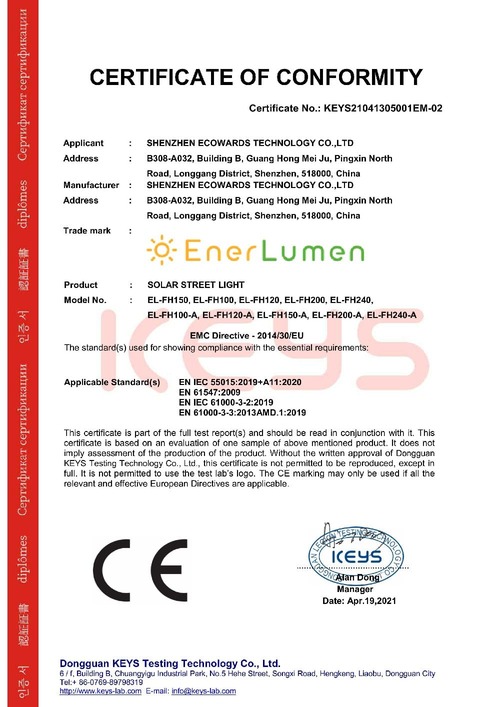
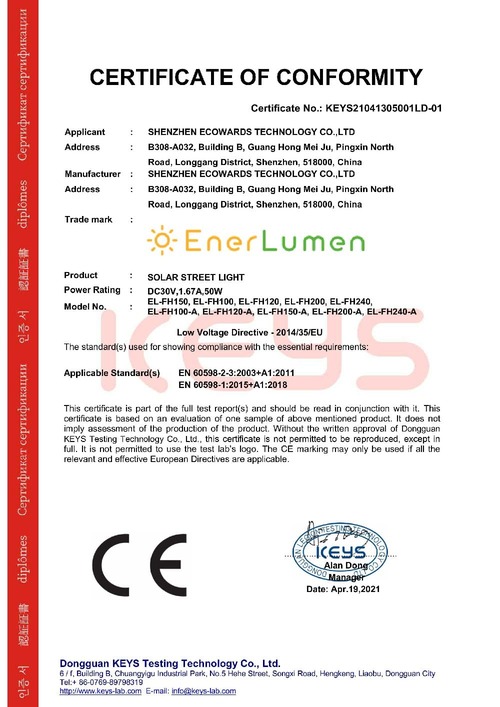
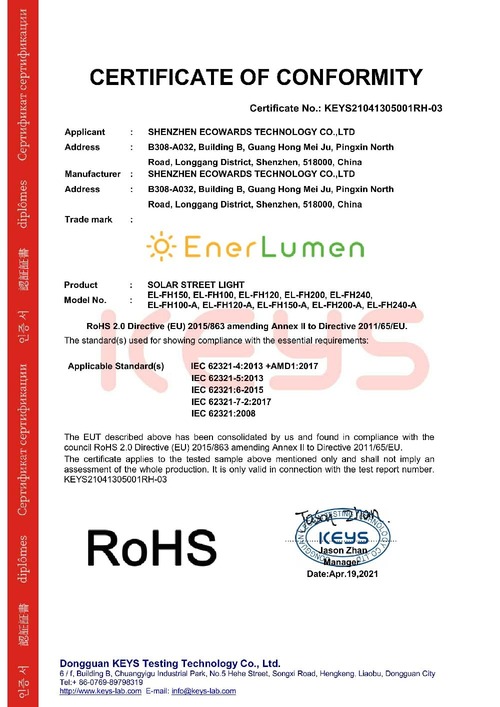
- EU: CE, RoHS, ENEC
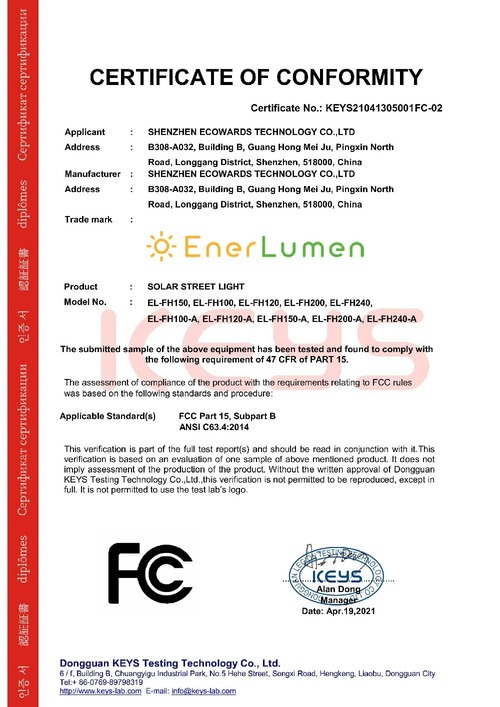
- North America: UL 8800, FCC, DLC
- Middle East: SASO, ESMA
- Global: IEC 61215 (Solar), IEC 60598 (Luminaires)
Sustainability Standards:
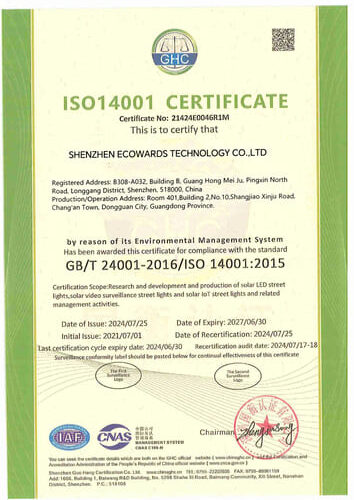
✔ ISO 14001 (Environmental Management)
✔ IEC 62257 (Off-grid systems)
Chapter 12
Lead Times & Logistics
Production Timeline Estimates:
| Order Size | Standard Lead Time | Rush Service |
|---|---|---|
| <100 units | 2-3 weeks | +30% cost (10 days) |
| 100-500 units | 4-5 weeks | +20% cost (3 weeks) |
| >500 units | 6-8 weeks | Not available |
Shipping Considerations:
✔ FOB vs CIF terms comparison
✔ HS Code: 9405.40.90 (Solar lighting fixtures)
Chapter 13
Total Cost of Ownership (TCO) Analysis
Example: 100 units over 10 years
| Cost Factor | Solar Street Light | Traditional Grid Light |
|---|---|---|
| Initial Installation | Lower (no trenching) | Higher (wiring, transformers) |
| Energy Costs | $0 (Solar-powered) | $6,000+ (Grid electricity) |
| Maintenance | Minimal (Fewer moving parts) | Higher (Bulb & wiring repairs) |
| Lifespan | 8–12 years (LED & battery) | 5–8 years (Grid lights) |
Savings Potential: Up to 60% lower lifetime costs compared to conventional lighting.
Chapter 14
Case Studies
Project 1: Highway Lighting (5km, 300 units)
- Challenge: No grid infrastructure in mountainous terrain
- Solution: 150W All-in-One systems with 20° tilt optimization
- Result: 40% cost savings vs. diesel generators
Project 2: Smart City Development
- Requirement: Centralized monitoring + emergency lighting
- Implementation: IoT-enabled units with backup power mode
- ROI: 3.2 years payback period
Chapter 15
Supplier Selection Criteria
Evaluation Matrix:
| Criteria | Weight | Assessment Method |
|---|---|---|
| Technical Capability | 30% | Factory audit, sample testing |
| Project Experience | 25% | Client references, case studies |
| Compliance | 20% | Certification verification |
| After-Sales | 15% | Spare parts availability |
| Pricing | 10% | TCO comparison |
Key Questions to Ask:
- Can you provide BIM/CAD files for our project design?
- What’s your process for handling quality issues?
- Do you offer on-site technical training?
Chapter 16
10-Step Procurement Checklist
Comprehensive Guide to Secure Best Value & Performance
| Step | Action Item | Key Details | Responsible Party |
|---|---|---|---|
| 1 | Define Project Specifications | – Required lumens (50-200 lux depending on application) – Autonomy days (3-7 days backup) – Smart features needed (motion sensors, remote monitoring) | Project Manager |
| 2 | Supplier Pre-Qualification | – Verify minimum 3 years solar lighting experience – Check completed projects in similar climates – Confirm in-house manufacturing capability | Procurement Team |
| 3 | Request & Compare Proposals | – Standardize RFQ format for apples-to-apples comparison – Include: component specifications, warranty terms, delivery timelines | Technical Committee |
| 4 | Factory Audit (Physical/Virtual) | – Check battery production line – Verify automated SMT for LED drivers <br- Assess quality control labs (IP testing, photometric analysis) | QA Engineer |
| 5 | Sample Testing Protocol | – 15-day real-world performance test – Measure: • Actual lumen output vs claimed • Battery recharge efficiency • Waterproofing (IP65+ validation) | Site Supervisor |
| 6 | Commercial Negotiation | – Bulk order discounts (>500 units) – Payment terms (30% deposit, 70% against BL copy) – Penalty clauses for late delivery (1.5%/day) | Contracts Manager |
| 7 | Logistics Planning | – Confirm lead times (typically 4-8 weeks) – Choose optimal Incoterm (FOB for cost control) – Validate packaging meets ISTA-3A standards | Logistics Coordinator |
| 8 | Pre-Installation Verification | – Foundation strength test (concrete cube test) <br- Verify municipal approvals for pole heights – Shadow analysis for panel placement | Civil Engineer |
| 9 | Installation & Commissioning | – Torque check for all fasteners (recommended 50-60 Nm) – System calibration (light sensor threshold setting) – App-based configuration for smart systems | Installation Crew |
| 10 | Performance Documentation | – Initial lux measurements with calibrated meter – Cloud monitoring system activation report – Compile maintenance manual with bilingual instructions | Documentation Team |
Critical Path Items:
- Steps 1-4 must be completed before contract signing
- Steps 5-7 should overlap to save time
- Steps 8-10 require local team coordination
Post-Installation Follow-Up: ✔ 30-Day Performance Review (Compare actual vs expected yield)
✔ Warranty Registration (Submit within 60 days of installation)
✔ Spare Parts Inventory (Keep 5% of LEDs/drivers as backup)


