
All-in-Two LED Solar Street Lights
Your Trusted Source for All-in-Two LED Solar Street Lights
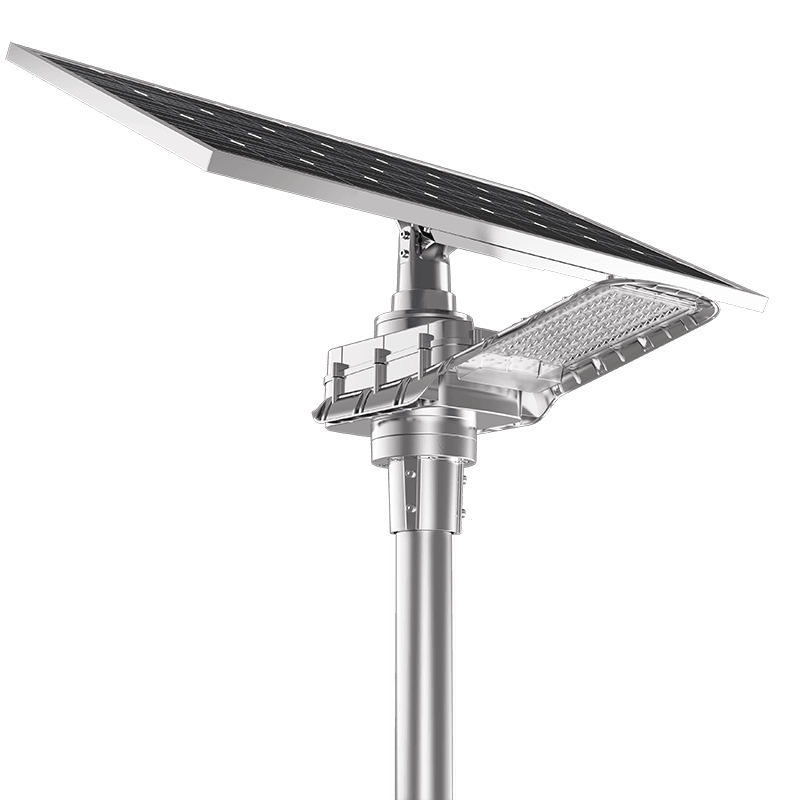
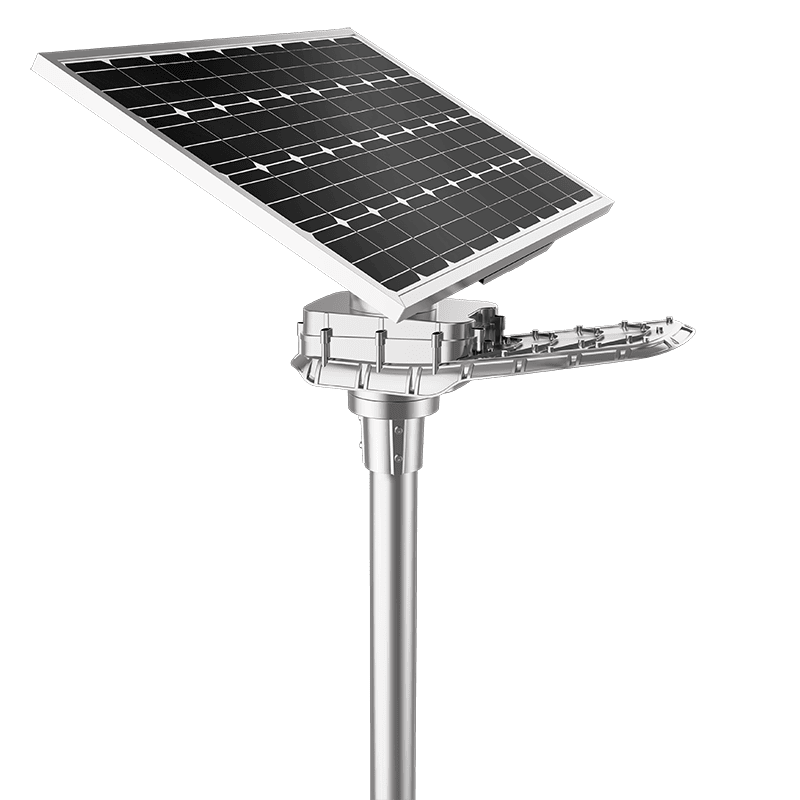
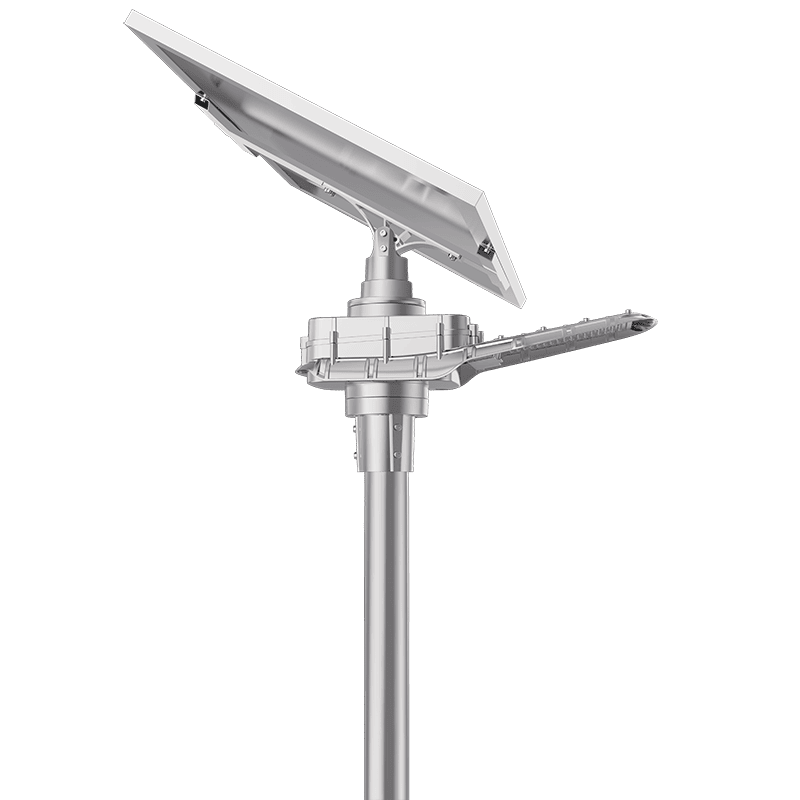
Our All-in-Two LED Solar Street Lights offer the ideal balance between easy installation and high-efficiency performance, combining the best features of All-in-One and Split-Mount Solar Street Lights. Unlike fully integrated systems, the separate yet compact solar panel and lamp unit ensures superior heat dissipation, extending battery life by up to 10 years (2,000+ cycles) while maintaining a clean, low-profile design for urban and rural applications.
Quick Comparison of Top-Selling Products
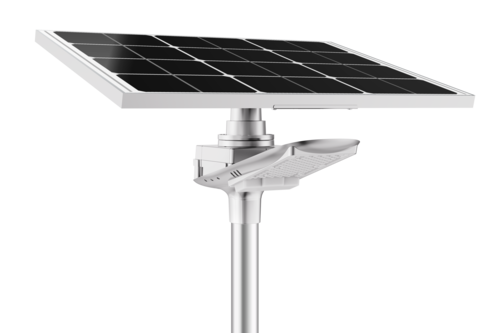
EcoLane - SL2
“Efficient solar streetlights with minimalist design for urban spaces”
Solar panel 60W-100W
Battery 192-384WH
Brightness 4,100-9,000LM
Installation height 6–10m
-Residential streets & urban neighborhoods
-Community parks & pedestrian plazas
-School zones & campus pathways

MegaRoute - SL3
“Ultra-bright solar lighting for expressway visibility and safety”
Solar panel 120W-150W
Battery 512-576WH
Brightness 12,000-14,400LM
Installation height 8–10m
-Highways & major arterial roads
-Industrial zones & logistics parks
-Large squares & transportation hubs
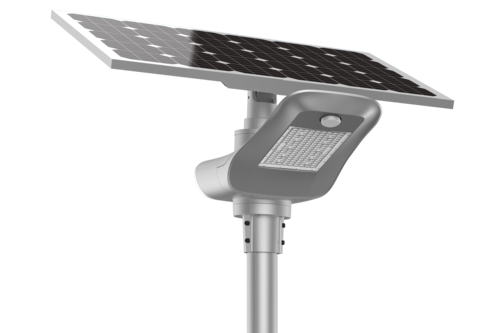
LongRun - FH
“High-capacity solar panel and battery for extended runtime”
Solar panel 100W-150W
Battery 400-600WH
Brightness 5,800-9,300LM
Installation height 7–10m
-Industrial facilities & storage yards
-Rural highways with limited maintenance
-Emergency backup for critical infrastructure
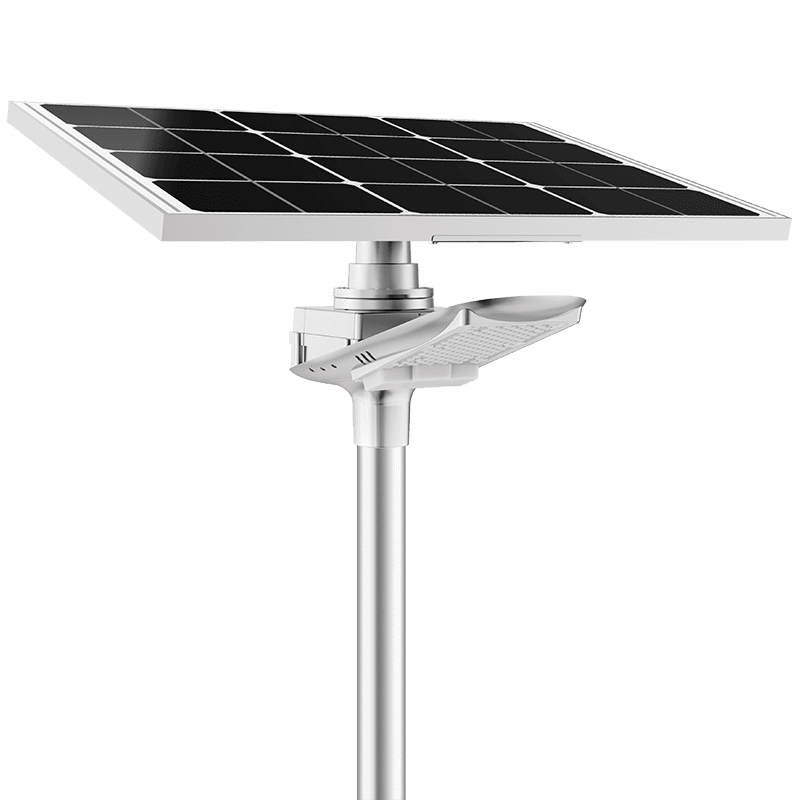
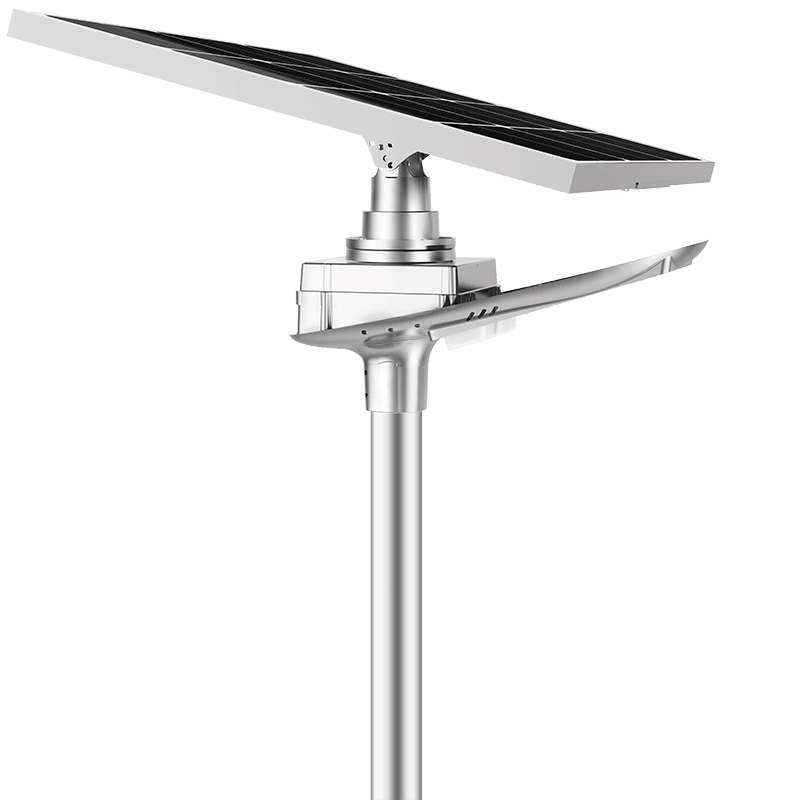
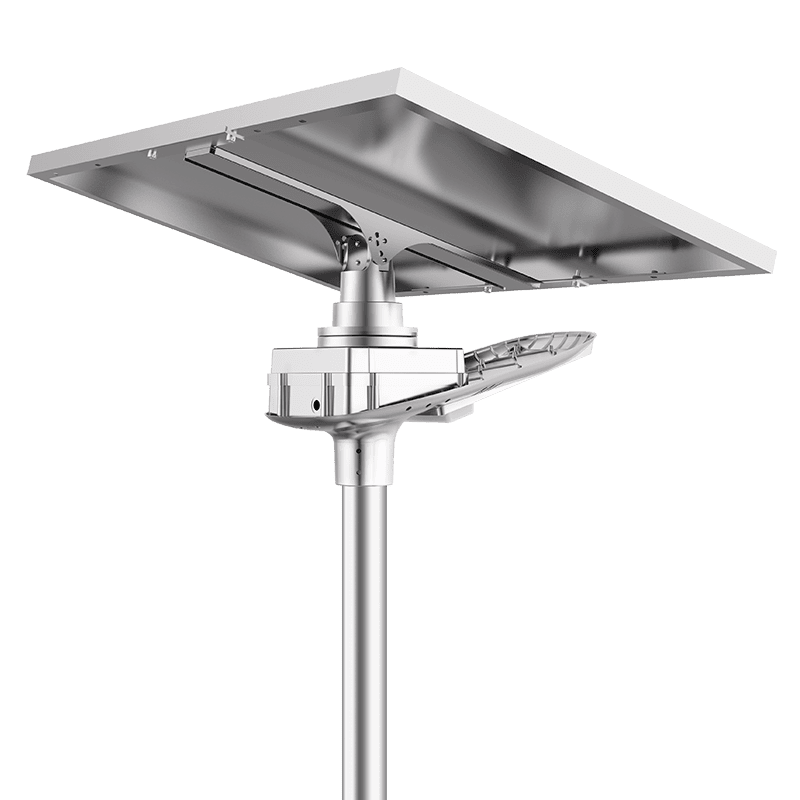
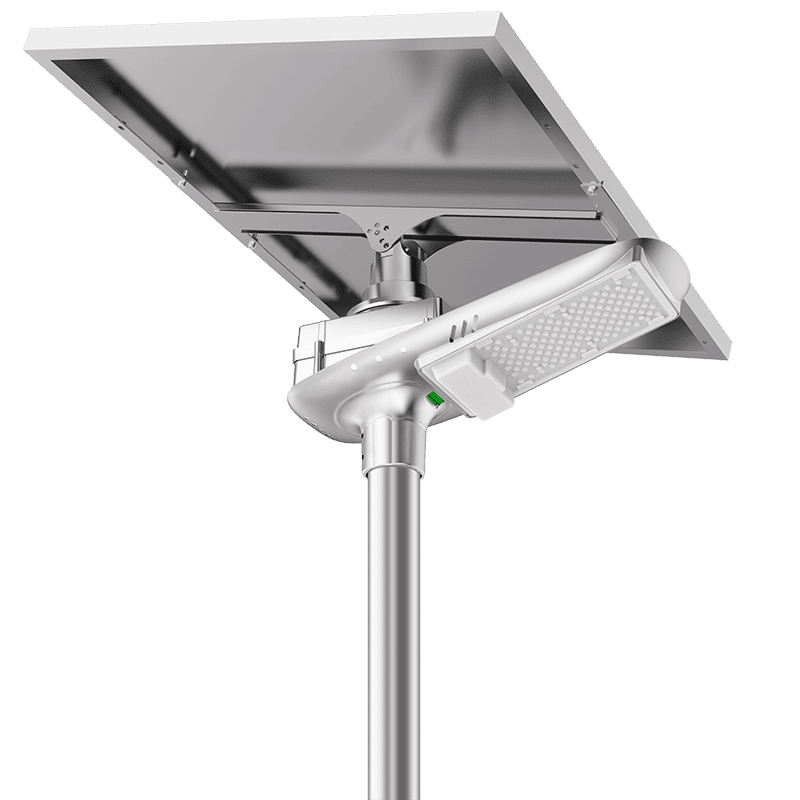
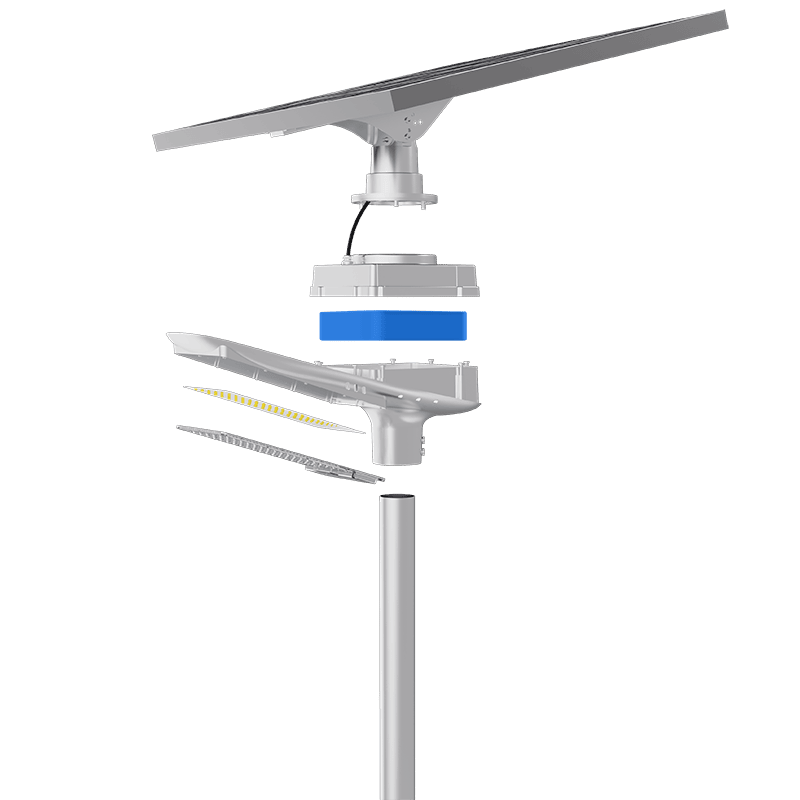
EcoLane - SL2
Urban Solar Lighting Redefined
Engineered for residential streets, urban neighborhoods, and community spaces, the EcoLane delivers 4,100–9,000LM brightness with sleek, minimalist durability. Features an IP65-rated aluminum alloy body and high-efficiency monocrystalline solar panels, performing reliably from -20°C to 50°C.
- Smart Energy Resilience – Modular lithium battery (192–384WH) maintains 80% capacity after 1,500 cycles (~8-year lifespan), perfectly sized for 6–10M poles in urban environments.
- Adaptive Solar Array – 60–100W panels with 21–23% conversion efficiency provide 4–6 days of backup power during low sunlight, optimized for temperate zones.
- Precision Urban Lighting – 110° wide beam angle evenly covers 15–30M spacing for pedestrian walkways, plazas, and school zones without light pollution.
Best For: Residential streets, community parks, and urban pathways requiring balanced illumination (60–100W solar input).
MegaRoute - SL3
High-Power Solar Lighting for Critical Infrastructure
Engineered for highways, industrial zones, and transport hubs, the MegaRoute delivers ultra-bright 12,000–14,400LM illumination with commercial-grade durability. Built with an IP67-rated heavy-duty aluminum casing and reinforced solar array, it withstands extreme conditions from -20°C to 55°C.
- High-Capacity Performance – Industrial lithium battery (512–576WH) maintains 85% capacity after 2,500+ cycles (~10-year lifespan), optimized for 8–10M poles on high-speed roadways.
- Maximum Solar Harvest – 120–150W high-efficiency mono panels (22–24% conversion) with optional auto-tilt provide 7–10 days of backup power, ensuring reliability in harsh weather.
- Long-Range Visibility – 140° asymmetrical beam pattern projects 40–60M coverage for expressways and large-area lighting, with anti-glare optics for driver safety.
Best For: Highway interchanges, industrial parks, and transportation hubs requiring 120–150W solar input and failsafe operation.
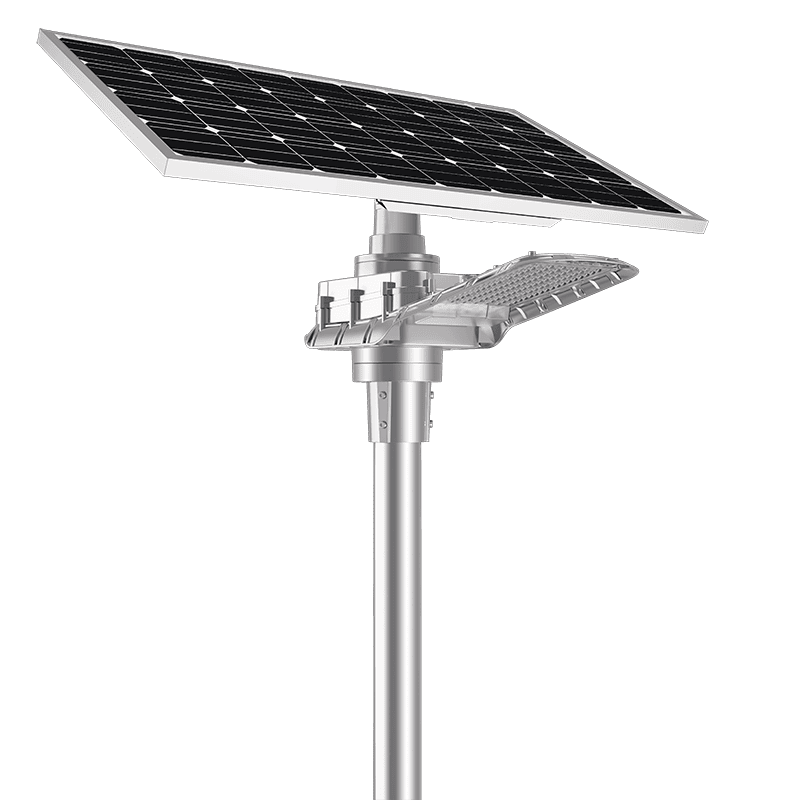
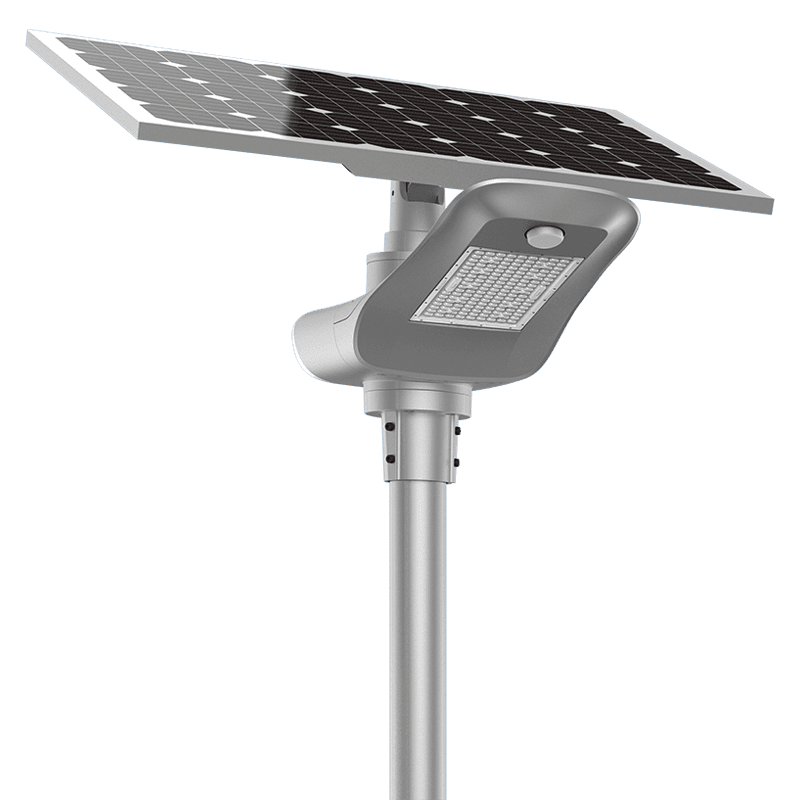
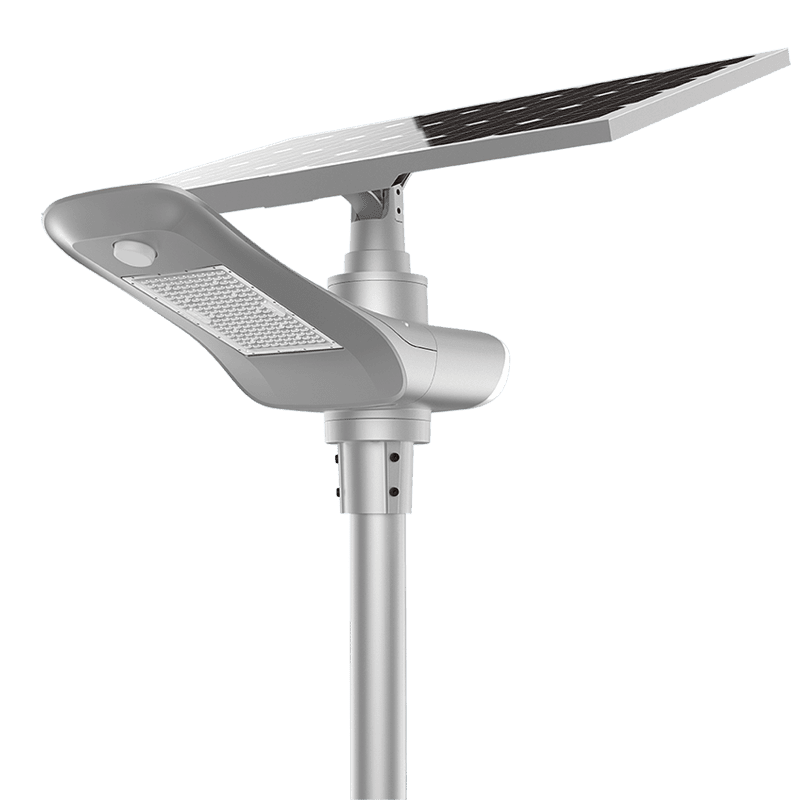
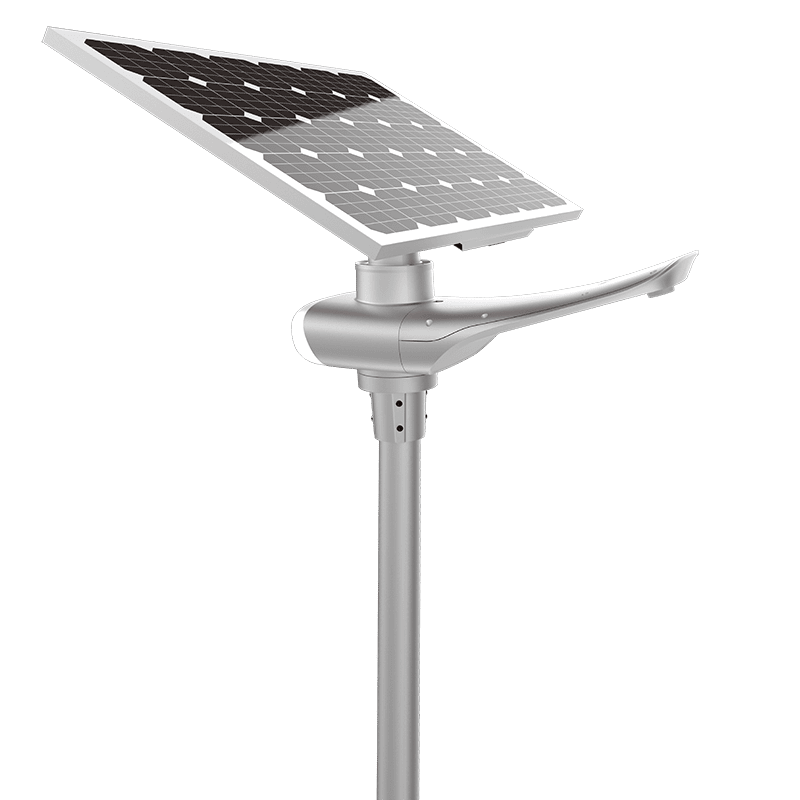
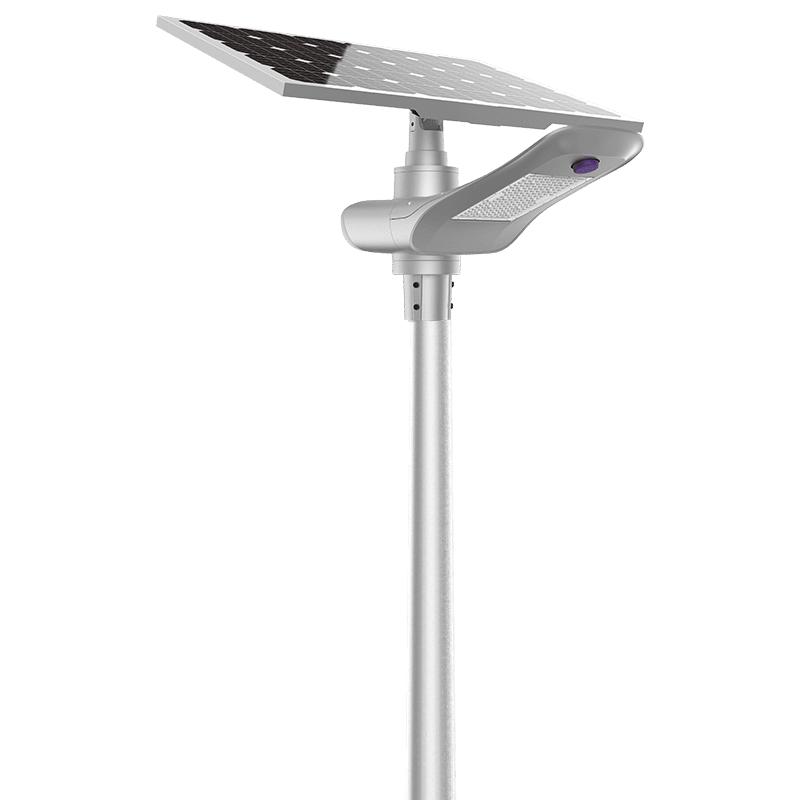
LongRun - FH
Extended-Duration Built for Demanding Environments
Engineered for industrial yards, rural highways, and emergency infrastructure, the LongRun delivers reliable 5,800–9,300LM illumination with exceptional runtime capabilities. Featuring military-grade IP68 protection and thermal-regulated components, it operates flawlessly from -20°C to 55°C.
- Unmatched Energy Reserve – Industrial lithium battery (400–600WH) provides 10+ years of service (3,000+ cycles at 80% capacity retention), designed specifically for extended darkness periods and harsh locations.
- Overbuilt Solar Solution – 100–150W heavy-duty panels with 23–25% efficiency maintain operation through 7+ cloudy days, featuring reinforced glass against hail impacts.
- Strategic Illumination – Customizable 90°–120° beam optics provide targeted coverage from 7–10M poles, ideal for perimeter security and critical access roads.
Best For: Remote highway sections, industrial storage yards, and emergency sites requiring guaranteed uptime with minimal maintenance.
Key Technologies that Set Us Apart
High-Efficiency Solar Panel
EV-Grade Battery
Raliable Solar Controller
Overheat Protection
Less Maintenance Battery Solution
Shadow-Proof Charging
Steady All Night
AI Weather Forecast
Deep Sleep for Storage
Remote Control
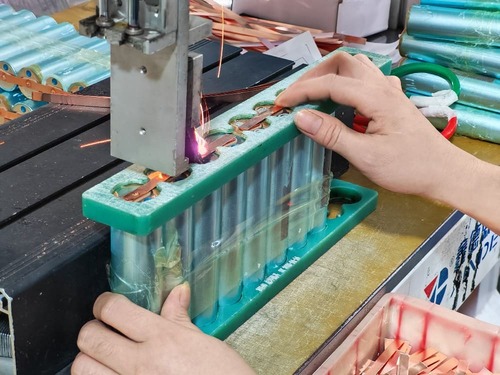
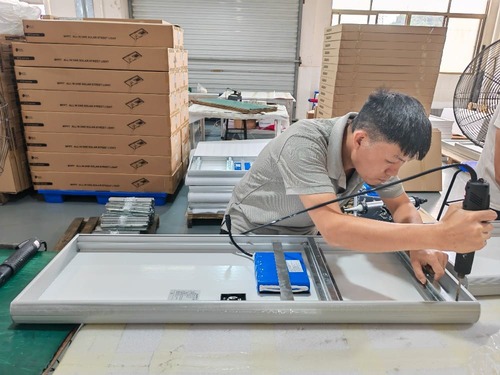
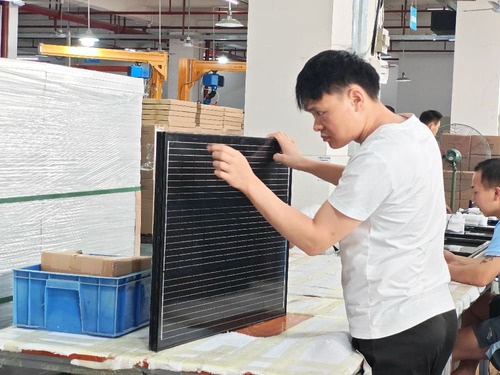
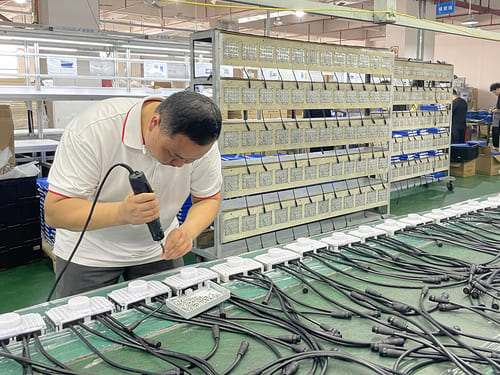
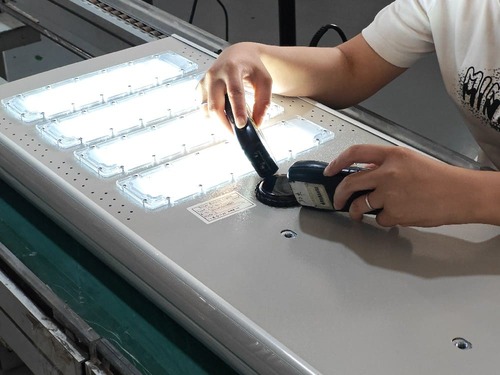
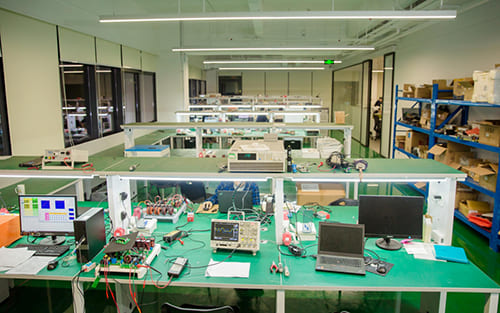
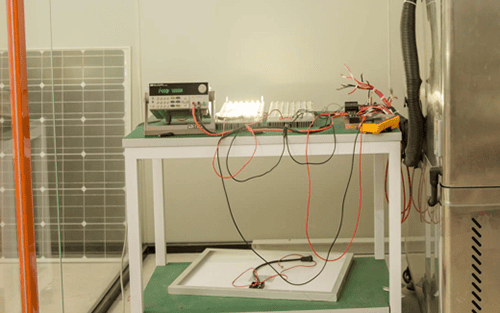
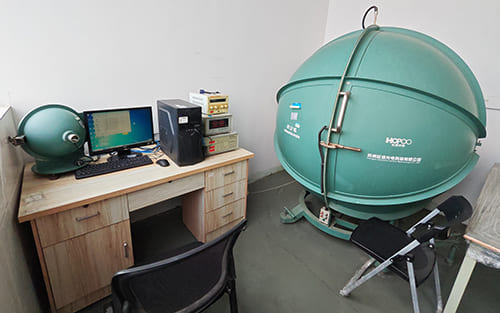
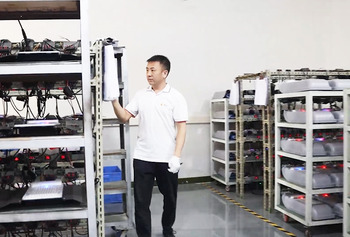
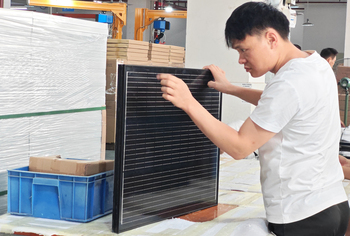
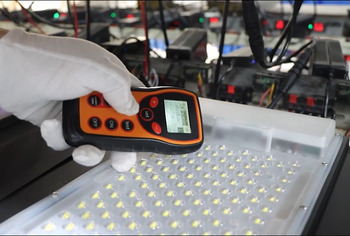
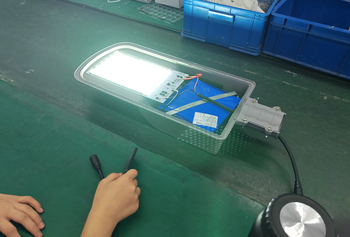
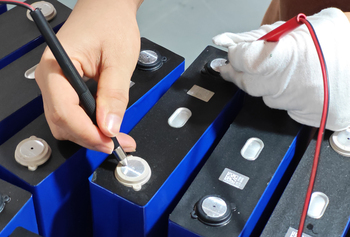
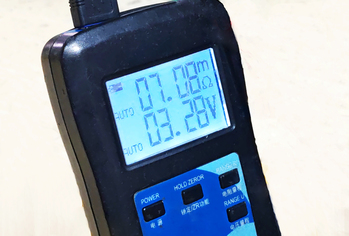
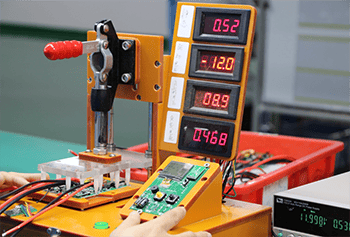
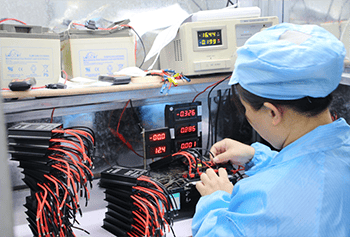
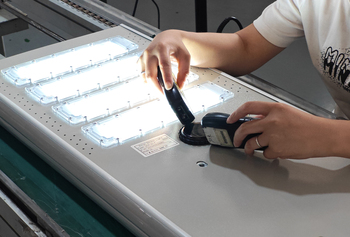
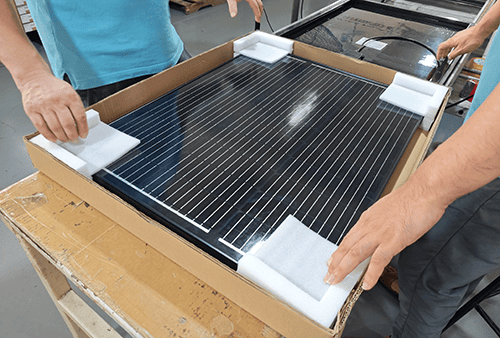
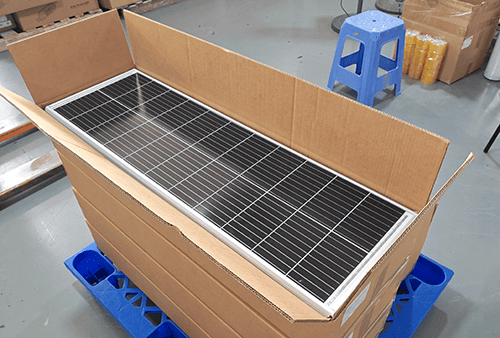
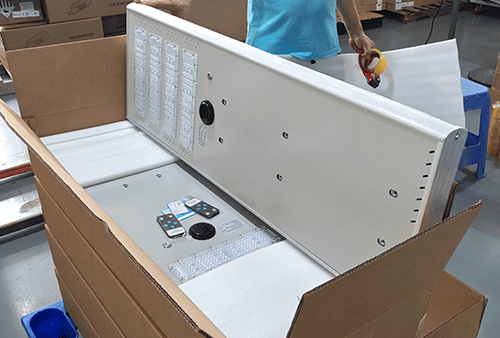
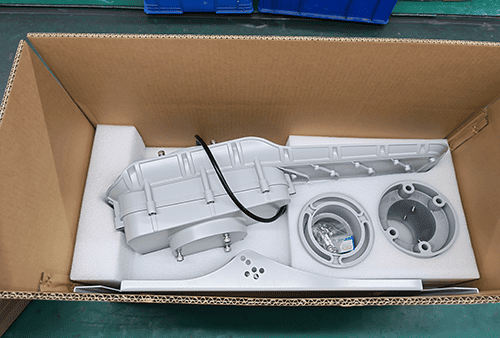
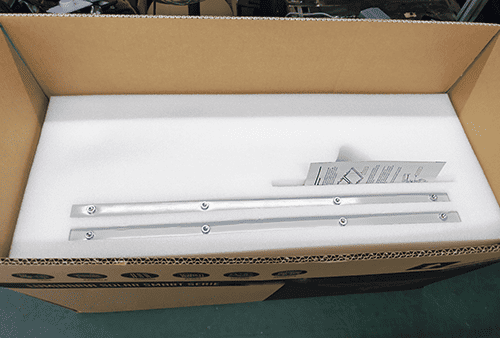
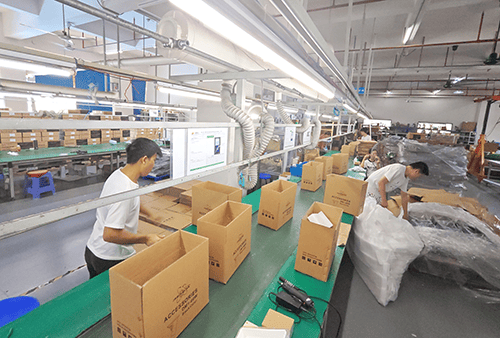
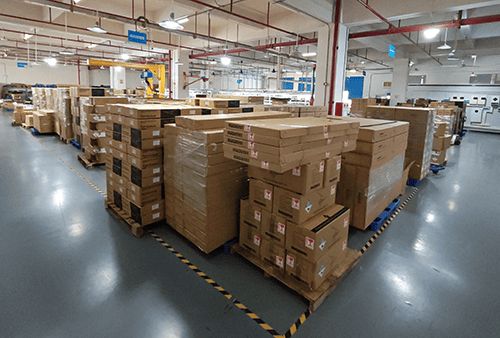
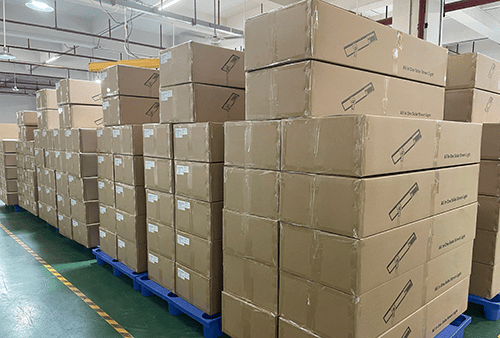
Production Facilities




















Features of All-in-Two LED Solar Street Lights
Optimized Heat Dissipation, Longer Lifespan
- The separate solar panel and lamp unit prevent heat buildup, significantly improving LED efficiency and battery lifespan (up to 10 years, 2,000+ cycles).
- Unlike All-in-One models, it avoids overheating-induced degradation, ensuring stable lumen maintenance >90% over time.
Easier Installation Than Split-Type, Lighter Than All-in-One
- Pre-assembled wiring and modular design reduce labor costs by 30%+ vs. split-type systems.
- Lightweight structure (40–60% slimmer than All-in-One) fits standard poles (6–12M) without reinforcement.
High Energy Efficiency with MPPT Technology
- MPPT controller + ICD 5.0 maximizes solar conversion (19–22% efficiency), storing 15–20% more energy than PWM systems.
- Auto-adjusts charging for 5–7 rainy days of backup (vs. 3–5 days in basic models).
Flexible Configuration for Urban & Rural Use
- Adjustable panel tilt (0°–65°) adapts to varied sunlight angles—ideal for high-latitude or cloudy regions.
- Lamp-panel distance (0.5–3M) allows positioning in shaded or narrow spaces where All-in-One units fail.
Smart Lighting Control & Low Maintenance
- Motion sensing + time-based dimming (30%/50%/100%) cuts unnecessary power waste.
- Modular maintenance: Replace only battery, panel, or LED module—saving 50%+ costs vs. full-unit replacements.
Technical Comparison: All-in-Two vs. All-in-One vs. Split-Mount Solar Street Lights
| Feature | All-in-Two | All-in-One | Split-Mount |
|---|---|---|---|
| Design | Modular (panel + lamp separate but compact) | Fully integrated (panel, lamp, battery in one unit) | In separate parts (panel and lamp as independent parts) |
| Installation | Simple: Pre-wired | Simple: Single-unit structure | Most complex: Requires wiring and customized poles |
| Thermal Management | Superior: Separate components prevent heat stress | Moderate: Compact design may limit heat dissipation | Optimal: Maximum cooling due to full separation |
| Charging Efficiency | MPPT-5.0 controller (90-95% efficiency) | Typically PWM (70-85% efficiency) in budget models | Highest efficiency: Large panels + MPPT (95%+) |
| Lumen Maintenance | >90% over 50,000 hours (due to heat control) | 80-85% (potential degradation in hot climates) | >90% (best for high-power, long-term use) |
| Battery Longevity | 8-10 years (LiFePO4, 2,000 cycles) | 5-7 years (LiFePO4, 1,200 cycles) | 10+ years (LiFePO4, 3,000+ cycles) |
| Weather Adaptability | Optimized for -30°C to 60°C | Limited to -20°C to 50°C (battery stress risks) | Best for -40°C to 70°C (industrial-grade) |
| Smart Features | Motion sensor, time dimming, auto-adjust brightness | Basic dimming options (time or motion only) | Advanced IoT controls (optional for industrial use) |
| Maintenance | Easy: Modular part replacement (battery/LED/panel) | Complex: structural removal and part replacement | Easy: Modular part replacement (battery/LED/panel) |
| Ideal Applications | Urban/rural roads, parking (40W-150W) | Residential streets, gardens (20W-80W) | Highways, ports, industrial (100W-300W+) |
Complete Buyer’s Guide to All-in-Two LED Solar Street Lights
Balancing Modular Flexibility with Simplified Integration
Table of Contents
Chapter 1
Introduction to All-in-Two Systems
What Sets All-in-Two Apart?
All-in-Two systems feature a rigidly connected solar panel and luminaire for one-piece installation, while retaining independent component functionality for serviceability. Unlike All-in-One lights, the battery and electronics remain accessible without destroying the housing.
Key Advantages:
✔ Modular Maintenance: Replace batteries or panels without dismantling the entire system.
✔ Heat Management: Improved LED lifespan vs. All-in-One designs due to better heat dissipation.
✔ Cost-Effective Scalability: Easier capacity upgrades than All-in-One, with lower logistics costs than Split-Mount.
Typical Use Cases:
- Urban roads with space constraints
- Projects requiring moderate autonomy (3–7 days)
- Regions with moderate temperatures (-20°C to 50°C)
Chapter 2
Anatomy of an All-in-Two Light
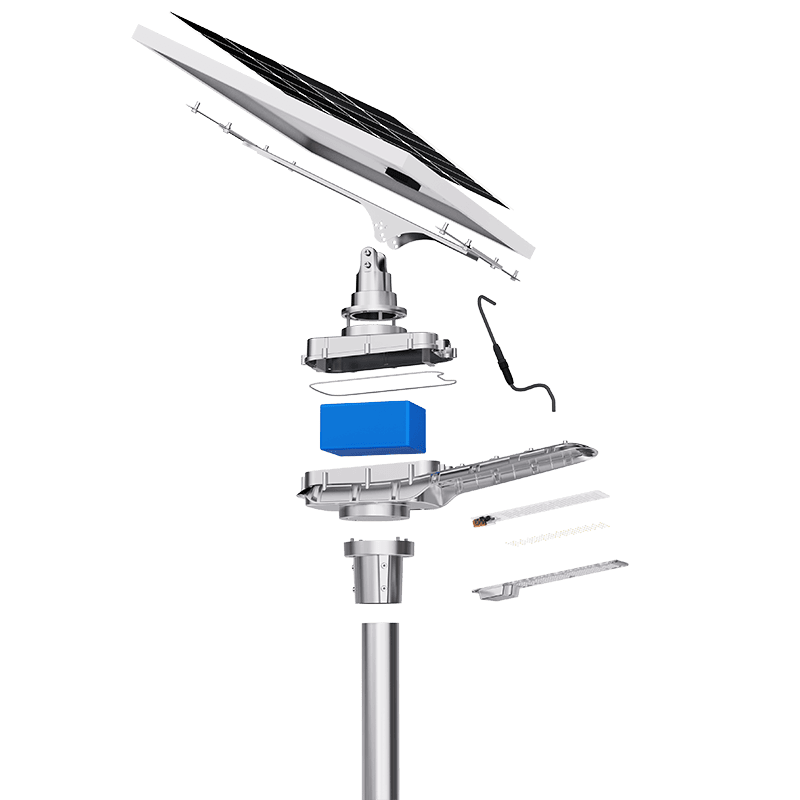
Core Components:
- Solar Panel: Mounted over the top of the lamp.
- Luminaire: Houses LED module and the battery (IP65+ rated).
- Battery Compartment: Integrated into the luminaire (LiFePO₄ preferred).
- Controller: MPPT for energy efficiency (typically 92–97% conversion).
Comparison with Other Systems:
| Feature | All-in-Two | All-in-One | Split-Mount |
|---|---|---|---|
| Battery Access | Medium (panel separate) | Difficult (fully sealed) | Easy (external box) |
| Installation Time | 20-30 mins | 20–30 mins | 1–2 hours |
Chapter 3
Technical Specifications
Critical Metrics for Buyers:
- Luminous Efficacy: 160–200 lm/W (higher = better energy use).
- Battery Cycle Life: 2,500+ cycles at 80% DoD (LiFePO₄).
- Panel Efficiency: 21–23% (monocrystalline with AR coating).
- Wind Resistance: ≥150 km/h (pole-dependent).
- IP Rating: IP65 for luminaire, IP67 for battery compartment.
Why These Matter:
- Lower lumens/Watt increases panel/battery costs.
- Battery chemistry affects cold-weather performance.
Chapter 4
Solar Panel Configuration
Design Choices:
- Tilt Angle: Adjustable (15°–45°) for seasonal optimization.
- Mounting Options: Pole, wall, or ground (avoid shading!).
Efficiency Tips:
- Use monocrystalline panels for space-constrained sites.
- Anti-reflective coating boosts morning/evening output by ~5%.
Chapter 5
Battery Solutions
Capacity Sizing Formula:
Required Capacity (Ah) = (Daily Watt-hour Usage × Backup Days) / (System Voltage × DoD)
Example: 100W for 8 hours = 800Wh. For 3-day backup at 24V and 80% DoD:(800 × 3) / (24 × 0.8) = 125Ah
Battery Types:
- LiFePO₄: Best for longevity (2,500+ cycles).
- NMC: Higher energy density (cold climates).
Chapter 6
LED Luminaire Design
Key Features:
- Thermal Management: Aluminum fins or heat pipes (critical for lifespan).
- Optics: Asymmetric reflectors for road lighting (reduce glare).
Performance Metrics:
- CCT: 4000K–5700K for roads (balance visibility/glare).
- CRI: ≥70 for security areas.
Chapter 7
Smart Controls
Optional Upgrades:
- Motion sensing (30–100% dimming).
- Time-based profiles (e.g., midnight dimming).
- Remote monitoring (4G/NB-IoT).
Chapter 8
Structural Advantages – Durability & Heat Dissipation
Optimized Thermal Management:
Compartmentalized Design:
- Pre-assembled solar panel and luminaire maintain thermal separation
- Independent heat zones prevent thermal crossover between components
- Operating range: -30°C to 60°C (verified in desert and arctic conditions)
Enhanced Material Engineering:
- Monolithic aluminum housing (5mm walls) with anti-corrosive treatment
- Die-cast heat sinks for LEDs (30% more surface area than standard All-in-One)
- Stainless steel fasteners throughout (M10 mounting bolts)
Structural Validation:
- Wind load certification: 160 km/h (IEC 61400-2 Class II)
- Vibration resistance: MIL-STD-810G Method 514.6
- IK08 impact rating for luminaire face
Installation-Ready Architecture:
- Pre-aligned solar panel (fixed 30° angle ±2° manufacturing tolerance)
- Integrated wiring channels with IP67-rated connectors
- Tool-less battery compartment access (removable back panel)
Chapter 9
Installation – Simplified Yet Modular
All-in-Two system combines the structural simplicity of All-in-One installation with the modular repairability of split systems:
- Pre-Assembled Unit: Solar panel and luminaire arrive as one fixed unit for quick pole-top mounting (like All-in-One).
- Independent Components: Despite being structurally connected, the panel and luminaire function as separate technical modules (unlike All-in-One’s fully integrated design).
Installation Advantages vs. Competitors:
| Feature | Your All-in-Two | Standard All-in-One | Split-Mount |
|---|---|---|---|
| Installation Time | 15–20 mins (single lifting) | 15–20 mins | 1+ hour (multiple parts) |
| Maintenance Access | Replace panel/luminaire separately without full disassembly | Requires complete unit removal | Separate access to each part |
Step-by-Step Installation:
Pole Preparation:
- Ensure pole-top flange matches unit’s base (typically 60–100mm diameter).
- Verify pole grounding (<10Ω resistance).
Mounting Process:
- Hoist pre-assembled unit to pole top (use lifting straps).
- Secure with 4x M10 stainless bolts (45–50Nm torque).
Final Checks:
- Confirm panel tilt angle (factory-preset at 30° ±5°).
- Test LED operation before final tightening.
Maintenance Note:
- While the panel isn’t detachable for remote mounting, it can be individually replaced if damaged (unlike All-in-One’s fully fused design).
Chapter 10
Maintenance & Serviceability
Field-Proven Service Protocol:
Routine Maintenance Schedule:
| Component | Interval | Procedure | Performance Metrics |
|---|---|---|---|
| Solar Array | 6 months | Visual inspection for microcracks | <3% power variance from baseline |
| LEDs | 2 years | Lumen output measurement (2m distance) | Maintain ≥90% initial brightness |
| Battery | 12 months | Capacity test (0.2C discharge rate) | Voltage stabilization at 12.8V ±0.5V |
Component Replacement Guide:
Solar Panel:
- Remove 4x security bolts (T15 Torx)
- Disconnect waterproof MC4 connectors
- Install new panel with factory alignment guides
LED Module:
- Open front service cover (quarter-turn latches)
- Swap COB array without rewiring
- Verify thermal paste application (2mm thickness)
Battery:
- Access through rear maintenance door
- Slide-out tray design for 12V/24V LiFePO₄ packs
- Automatic system recognition (no reprogramming needed)
Advanced Diagnostics:
- Built-in Bluetooth module for wireless troubleshooting
- Real-time monitoring of:
- Panel output (Vmp/Imp tracking)
- Battery health (SOC/SOH calculations)
- LED driver efficiency (PF >0.95 verification)
Chapter 11
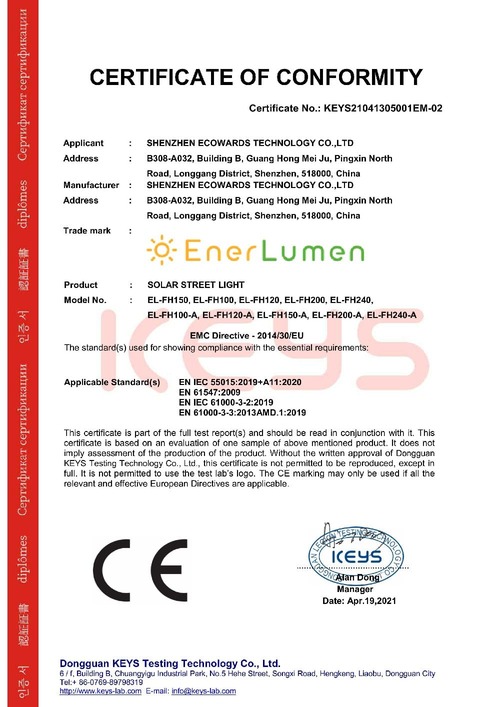
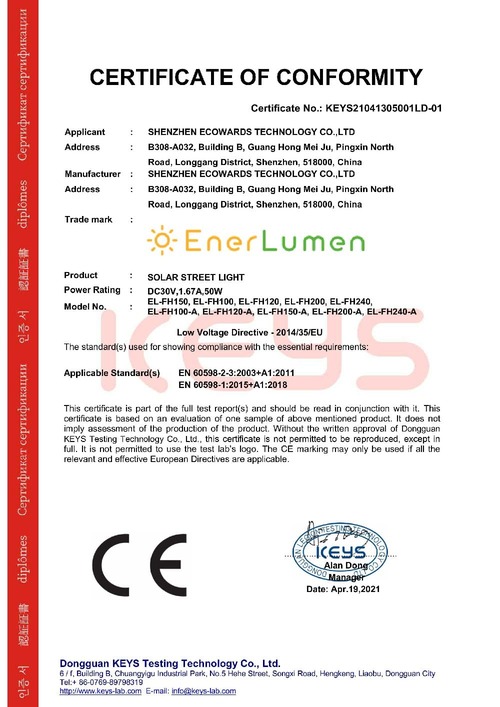
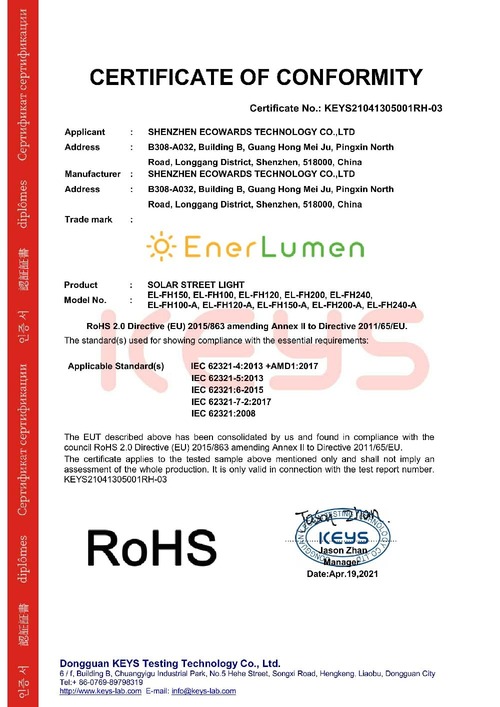
Certifications
Must-Have Certifications:
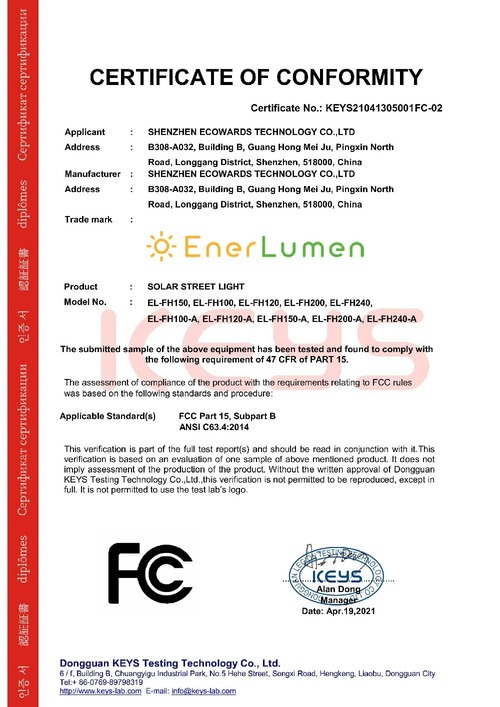
- Safety: IEC 62493 (EMC), IEC 60598 (luminaires).
- Battery: UN38.3 for shipping.
- Sustainability: RoHS, REACH.
Chapter 12
Total Cost of Ownership (TCO) Including Infrastructure & Energy Costs
Comparison: Solar LED vs. Grid-Powered LED vs. HID Street Lights
| Cost Category | Solar LED | Grid-Powered LED | Traditional HID |
|---|---|---|---|
| Initial Unit Cost (USD) | $130–$150 | $80–$100 | $50–$100 |
| Infrastructure Costs (USD): | |||
| – Trenching & Conduit | $0 | $50–$100/m | $80–$150/m |
| – Cabling (Copper/Aluminum) | $0 | $20–$50/m | $30–$60/m |
| – Transformer/Grid Connection | $0 | $500–$1,500 | $500–$2,000 |
| – Pole Reinforcement | $50–$150 | $50–$150 | $50–$150 |
| – Permits & Labor (Installation) | $100–$300 | $500–$1,500 | $800–$2,000 |
| Total Infrastructure Cost (Single Light, 10m Span) | $150–$450 | $1,700–$4,000 | $2,100–$5,000 |
| Energy Consumption (10 Years, kWh) | 0 kWh | 4,500–6,000 kWh (LED) | 9,000–15,000 kWh (HID) |
| Electricity Cost (10 Years, $0.15/kWh) | $0 | $675–$900 | $1,350–$2,250 |
| Maintenance (10 Years): | |||
| – Parts Replacement Cost | $100 (2×$50 batteries) | $100 (2×$50 drivers) | $200–$300 (4×$50 bulbs) |
| – Labor + Crane per Visit | $150–$300/visit (2 visits) | $150–$300/visit (2 visits) | $150–$300/visit (4 visits) |
| Total Maintenance Labor (10 Years) | $300–$600 | $300–$600 | $600–$1200 |
| 10-Year Total Cost (USD) | $580–$1,150 | $2,775–$5,600 | $4,250–$8,550 |
| ROI Break-Even (vs. Grid LED) | 2–4 Years | N/A | N/A |
Conclusion:
✔ Solar is cheapest long-term despite higher upfront unit cost.
⚠ Grid/HID infrastructure costs dominate (60-80% of TCO).
💰 Solar pays for itself in 2–4 years vs. grid LED when including infrastructure.
Chapter 13
Procurement Checklist
- Define Needs: Backup days, light levels, smart features.
- Verify Specs: Panel efficiency, battery cycles, IP rating.
- Request Samples: Test real-world performance.
- Audit Supplier: Check factory QC processes.
Chapter 14
Case Examples
Project: 2km Rural Road (50 units)
- Challenge: Frequent power outages, vandalism risk.
- Solution: All-in-Two with vandal-proof luminaires (IK08) and 150Ah batteries.
- Result: 4-year ROI vs. grid extension.
Chapter 15
FAQs – Addressing Buyer Concerns
Q1: Why choose All-in-Two over All-in-One?
A: When you need:
- Longer LED lifespan (20% cooler operation)
- Easier battery replacements (no complete disassembly)
- Partial shade conditions (separate panel positioning)
Q2: How does All-in-Two handle extreme cold?
A: With LiFePO₄ batteries:
- -20°C operation standard (optional self-heating batteries for -30°C)
- 80% capacity retention at -10°C vs. 50% for lead-acid
Q3: Can I upgrade components later?
A: Yes – key benefits:
- Panel: Upgrade to higher wattage (controller permitting)
- Battery: Increase capacity (same voltage system)
- LED: Compatible with 100-150W drivers
Q4: What’s the real-world lifespan?
A: Conservative estimates:
- LEDs: 50,000hrs (L70)
- Battery: 8 years (80% capacity at 25°C, 500 cycles/yr)
- Structure: 12+ years (galvanized steel)
Pro Tip: Request 3rd-party test reports for:
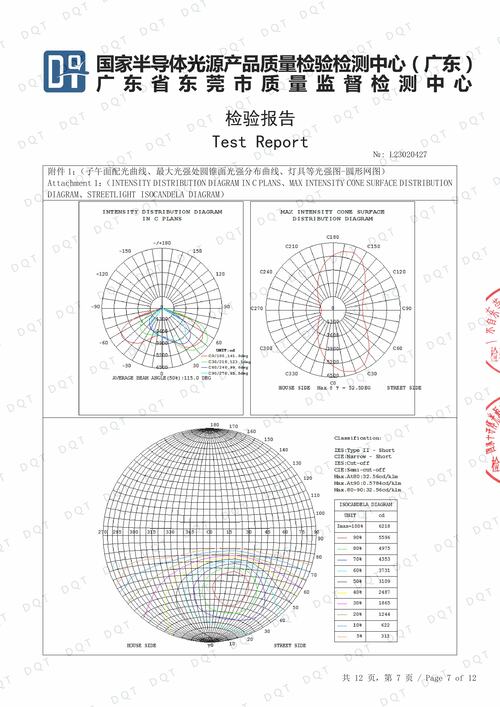
- LM-80 (LED degradation)
- IEC 62133 (battery safety)
